
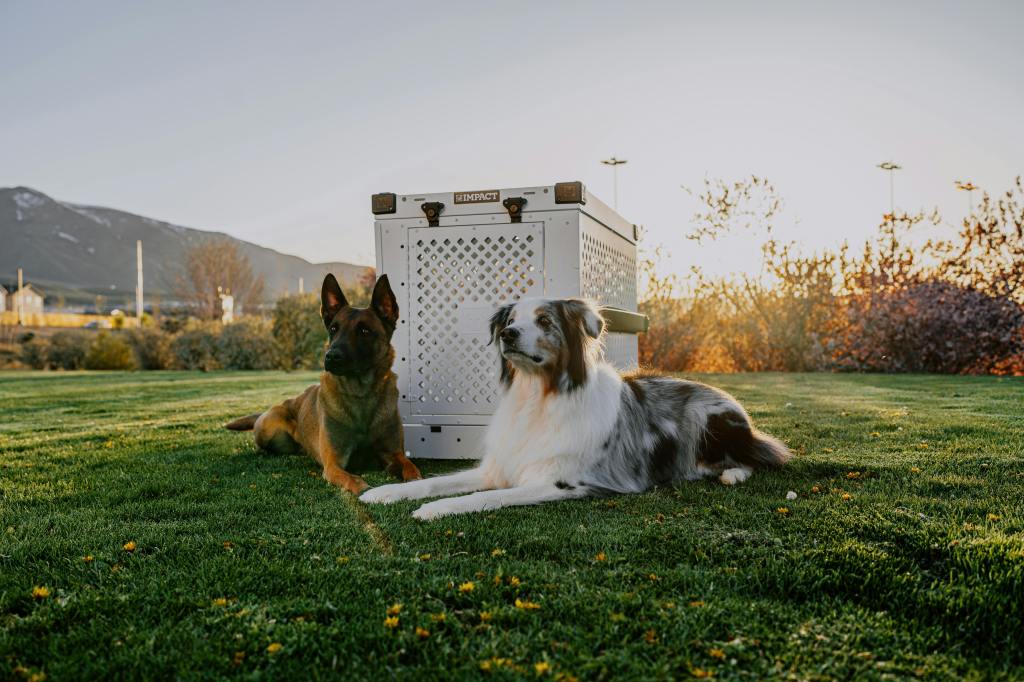
If your dog struggles with anxiety, you’re not alone. Many pet owners deal with the challenge of keeping their furry friends calm and secure. One of the most effective solutions recommended by veterinarians is crate training. While some may see crates as restrictive, vets know that when used correctly, they offer tremendous benefits for anxious dogs.
Let’s explore why crate training is highly recommended by veterinary professionals and how it can make a positive difference in your dog’s life.
The Science Behind Crate Training
Veterinarians understand that dogs are den animals by nature. They instinctively seek out small, enclosed spaces for comfort and security. A crate mimics this natural instinct, creating a cozy, safe environment where dogs feel protected.
According to the American Kennel Club (AKC), crate training is particularly useful for managing anxiety, house training, and providing a structured routine. It’s not about confinement but about offering a retreat that reduces stress and promotes well-being.
How Crates Help Anxious Dogs
1. Provides a Sense of Security
Anxious dogs often feel overwhelmed by too much space or exposure to unfamiliar environments. A crate creates a den-like atmosphere where they can retreat when feeling stressed.
Dogs that learn to see their crate as a safe place are less likely to develop anxiety-related behaviors like excessive barking, chewing, or whining. This sense of security helps them cope better with stressors.
2. Reduces Separation Anxiety
One of the most common behavioral issues vets encounter is separation anxiety. When a dog is left alone, they may become destructive or anxious. A crate helps minimize this by offering a familiar, comforting space that feels safe even when you’re not there.
To make the crate even more reassuring, include familiar items like a favorite blanket or toy. Practicing short periods of crate time while you’re home also helps your dog adjust to being alone gradually.
3. Prevents Destructive Behaviors
Dogs dealing with anxiety are often prone to destructive behaviors, such as chewing on furniture or digging through trash. Crate training helps manage these behaviors by providing a controlled environment where they can’t harm themselves or your belongings.
Choosing a durable and secure crate, like those from Impact Dog Crates, ensures that your dog remains safe even if they try to escape.
Why Vets Advocate for Positive Reinforcement
Veterinarians emphasize that crate training should always be associated with positive experiences. Never use the crate as punishment, as this creates negative associations that worsen anxiety. Instead, reward your dog with treats and praise whenever they willingly enter the crate.
Here are some tips from vets to make crate training positive:
- Start Gradually: Introduce the crate with the door open, allowing your dog to explore freely.
- Make It Comfortable: Add soft bedding and familiar scents.
- Use Calming Aids: Some dogs benefit from pheromone sprays or calming blankets.
- Practice Daily: Incorporate crate time as part of your dog’s daily routine.
Vets’ Tips for Effective Crate Training
1. Choose the Right Crate
Not all crates are created equal, especially for anxious dogs. Vets recommend sturdy, escape-proof crates that provide security without feeling claustrophobic. Look for crates with good ventilation and comfortable bedding to ensure your dog feels safe and cozy.
2. Create a Positive Association
Place the crate in a calm, quiet area of your home. Use treats and toys to encourage your dog to enter voluntarily. Leave the door open initially, allowing your dog to explore at their own pace.
3. Gradual Training
Vets advise against leaving your dog crated for extended periods during the early stages of training. Start with short intervals and gradually increase the time as your dog becomes more comfortable.
4. Consistency Is Key
Establishing a routine helps your dog know what to expect. Whether it’s for sleeping, napping, or calming down, using the crate consistently builds familiarity and reduces anxiety.
Real Results: The Long-Term Benefits
Crate training not only reduces anxiety but also promotes good behavior and strengthens the bond between you and your dog. Dogs that feel secure in their crate are more relaxed overall and better equipped to handle stress.
According to the National Library of Medicine (NIH), providing a consistent, calming space helps reduce cortisol levels and anxiety-related behaviors in dogs. By creating a predictable and comforting environment, you support your dog’s mental well-being.
Invest in Quality for Lasting Comfort
If you’re ready to make crate training part of your dog’s anxiety management plan, investing in a high-quality, reliable crate is essential. Products from Impact Dog Crates are designed to withstand even the most determined escape attempts while offering a safe and comfortable space.
Give your anxious dog the support they deserve. Start crate training today with the right tools and a positive approach to create a stress-free, secure environment!
 Dog Anxiety Support
Leave a comment