
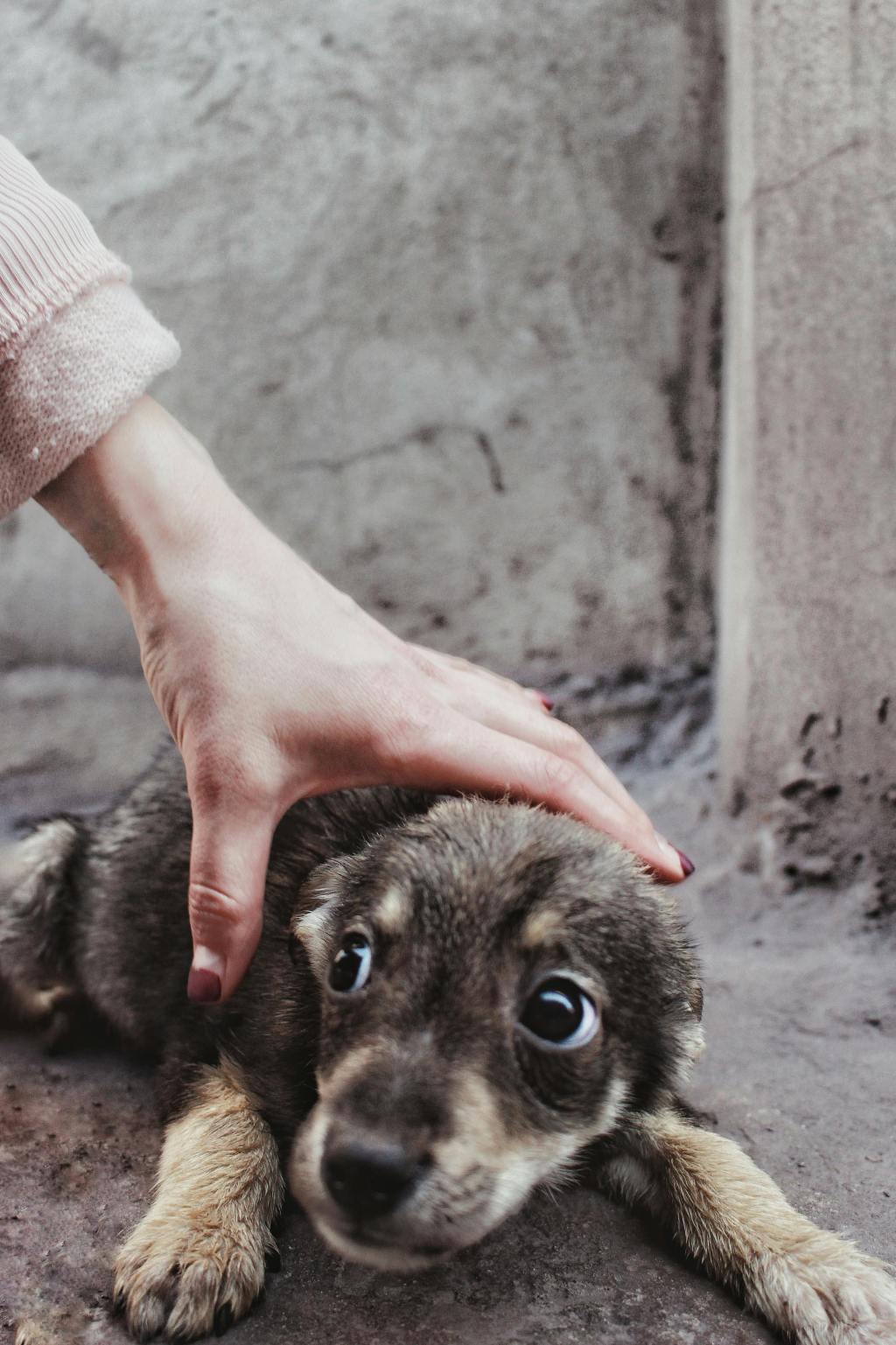
Anxiety in dogs can be overwhelming for both pups and their owners. Whether it’s triggered by separation, loud noises, or unfamiliar environments, a well-thought-out crate setup can become a safe haven that helps your furry friend feel secure and relaxed. In this article, we’ll explore the best ways to set up a crate for anxious dogs and share tips on how to make it as comfortable as possible.
Why Crate Training Helps Anxious Dogs
Crate training provides anxious dogs with a designated space where they can retreat when they feel overwhelmed. It mimics a den-like environment that many dogs instinctively seek out. According to the American Kennel Club (AKC), crate training not only helps manage anxiety but also supports proper house training and prevents destructive behavior.
However, simply having a crate isn’t enough. Creating the perfect setup will make a difference in how effective it is for calming your anxious dog. Let’s dive into the essential elements of a stress-free crate environment.
1. Choose the Right Crate
The first step to a successful crate setup is choosing the right type of crate. Anxious dogs benefit from crates that provide both security and durability. Look for crates that are:
- Sturdy and Secure: Dogs with anxiety may try to escape when stressed. Heavy-duty crates like those from Impact Dog Crates are designed to withstand strong dogs while keeping them safe.
- Properly Sized: The crate should be large enough for your dog to stand up, turn around, and lay down comfortably. However, it shouldn’t be so spacious that your dog feels lost or exposed.
- Ventilated but Covered: Wire crates with covers or solid crates with proper ventilation work best. They allow airflow while offering a sense of privacy.
2. Make It Cozy and Comfortable
Anxious dogs thrive in environments that are soft and soothing. Adding bedding, blankets, and plush toys can make the crate feel more like a comforting den.
- Soft Bedding: Use washable, padded bedding that provides support and warmth.
- Calming Scents: Consider adding a blanket or a shirt with your scent. Dogs find comfort in familiar smells.
- Chew-Proof Toys: Provide durable, safe chew toys to keep your dog occupied and relaxed.
- Sound Dampening: Placing a blanket over part of the crate can help muffle outside noises that may trigger anxiety.
3. Strategic Placement Matters
Where you place the crate significantly impacts your dog’s sense of safety. Choose a location that is:
- Quiet and Low-Traffic: High-traffic areas can increase anxiety. Find a peaceful corner where your dog won’t be startled.
- Familiar and Comforting: Consider setting the crate near where your family spends time, so your dog doesn’t feel isolated.
- Consistent: Once you find the right spot, stick to it. Moving the crate frequently can disrupt your dog’s sense of security.
4. Create a Positive Association
Help your dog associate the crate with positive experiences rather than confinement or punishment.
- Use Treats and Praise: Reward your dog every time they enter or stay in the crate.
- Interactive Toys: Food puzzles and treat-dispensing toys can keep your dog entertained and help them associate the crate with good things.
- Never Force It: Let your dog approach the crate willingly. Forcing them inside can create negative associations and make anxiety worse.
5. Gradual Acclimation Is Key
Dogs with anxiety may need time to adjust to their crate. Gradually increase the amount of time they spend inside while ensuring it remains a positive experience.
- Start with Short Periods: Initially, leave the door open and encourage your dog to enter and exit freely.
- Slowly Extend Time: Once your dog is comfortable, gradually close the door for short intervals, praising them when they remain calm.
- Incorporate Crate Time Daily: Make the crate part of your dog’s routine to normalize its use and reduce stress.
6. Calming Aids and Techniques
For dogs with heightened anxiety, calming aids can make a big difference.
- Adaptil Diffusers: These emit dog-appeasing pheromones that help reduce stress.
- Anti-Anxiety Blankets: Weighted or calming blankets can add a sense of security.
- Natural Supplements: Options like chamomile or CBD oil can help ease anxiety, but always consult your vet before use.
According to the National Library of Medicine (NIH), calming pheromone products and natural supplements can be effective when used correctly.
Final Thoughts: Create a Safe Haven for Your Dog
Crate training can be transformative for anxious dogs, offering a reliable sanctuary when life becomes overwhelming. Choosing the right crate and creating a comfortable setup helps build positive associations and eases your dog’s anxiety.Give your furry friend the safest and most secure crate experience with Impact Dog Crates. Designed to withstand even the most determined escape artists, these crates are built for comfort and security. Invest in your dog’s peace of mind today!
 Dog Anxiety Support
Leave a comment