
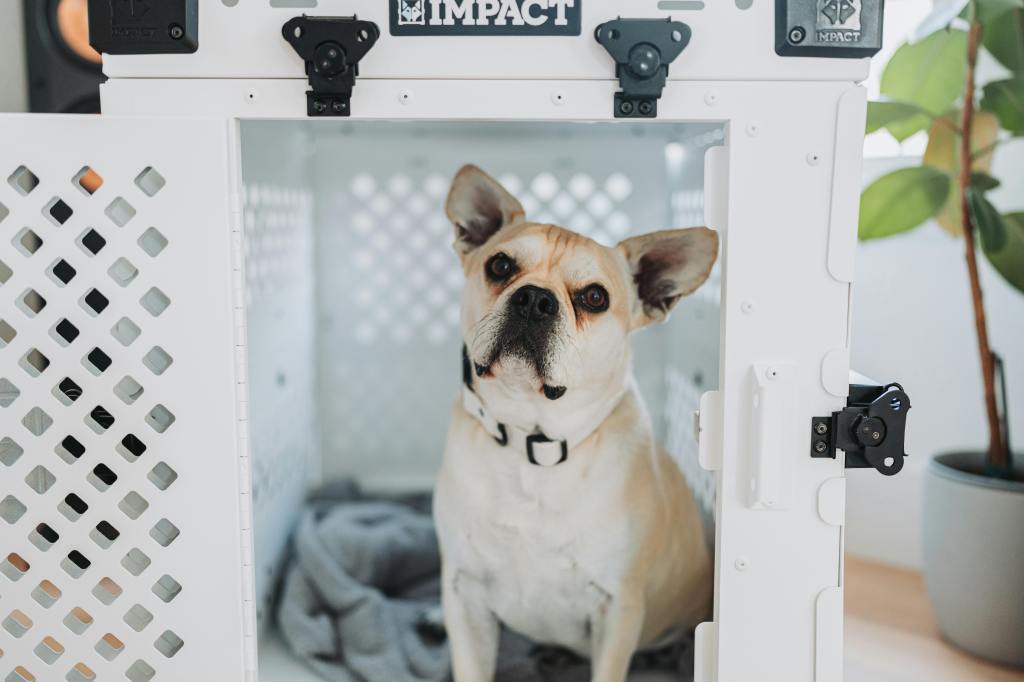
Dogs, like humans, can suffer from traumatic events, and for some, this can lead to post-traumatic stress disorder (PTSD). PTSD is a serious condition that affects many animals, especially those with a history of abuse, neglect, or stressful experiences. While there are various methods to help dogs cope with their trauma, one of the most effective solutions is providing them with a safe space, such as a crate, that they can use as a sanctuary. A safe crate offers comfort, security, and a place where they can feel protected from overwhelming stress. This article explores why dogs with PTSD need a safe crate for comfort and how such a space can help them heal.
Understanding PTSD in Dogs
PTSD in dogs is often a result of traumatic experiences, which could range from accidents and abuse to loud noises or aggressive encounters. Much like humans, dogs can develop a heightened sense of fear, anxiety, and distrust in response to their experiences. This may manifest in behaviors such as excessive barking, cowering, hiding, destructive chewing, and even aggression.
Research from the American Kennel Club (AKC) explains that dogs with PTSD may also experience difficulty adjusting to new environments or strangers, often retreating into a corner or under furniture in an attempt to feel safe. These dogs frequently struggle with anxiety that can negatively impact their overall health and well-being. To manage these symptoms, providing a secure environment is crucial, and a well-designed crate can be an essential tool.
The Role of a Safe Crate in Comforting Dogs with PTSD
A safe crate offers a physical and emotional boundary that helps to calm a dog’s nerves. It is a designated, familiar space where a dog can retreat when feeling overwhelmed. The feeling of security that a crate provides mimics a natural instinct in dogs to find a den or hidden space to rest and recover.
When placed in a crate, a dog can experience a sense of control over their environment, which is vital for dogs with PTSD. In stressful situations, dogs need to feel protected, and a safe crate can provide them with this sense of control. It becomes a place where they can take refuge, reducing their anxiety and helping them to feel safe enough to rest or sleep.
Additionally, the enclosed space of the crate can help block out external stimuli that might trigger anxiety. This controlled environment can be particularly helpful for dogs suffering from noise phobia (such as fear of thunderstorms or fireworks), a common symptom of PTSD. Without the distractions of external noises, they can focus on resting in a calm, secure space.
How a Safe Crate Improves Health and Behavior
Providing a crate for a dog with PTSD can significantly improve their health and behavior. From a health perspective, the safe crate encourages rest and recovery. Stress and anxiety can have detrimental effects on a dog’s physical health, leading to digestive issues, heart problems, and even immune system deficiencies. When a dog feels secure in their crate, they are more likely to relax and enjoy quality rest, which is essential for their physical recovery.
From a behavioral standpoint, a safe crate can help reduce the likelihood of destructive behaviors that often arise from anxiety. For instance, dogs with PTSD may chew on furniture, dig, or even engage in self-harm if they are unable to manage their stress. A crate provides a designated area where they can engage in healthy behaviors, such as resting or playing with a toy, and discourages behaviors driven by anxiety or fear.
Research from the American Veterinary Medical Association (AVMA) confirms that a dog’s environment plays a key role in their behavior. A structured environment, including the use of a crate, can foster a sense of stability and safety, ultimately improving a dog’s overall behavior and emotional health.
How to Choose the Right Crate for a PTSD Dog
Not all crates are created equal, especially for dogs with PTSD. It’s important to choose a crate that not only provides comfort but also offers durability, safety, and easy access. The crate should be large enough for the dog to stand up, turn around, and lie down comfortably. A crate that is too small may make the dog feel trapped, exacerbating anxiety.
When selecting a crate, look for features that promote comfort and safety, such as soft bedding, adequate ventilation, and sturdy construction. A crate with a solid bottom and secure door can prevent the dog from escaping or feeling unsafe.
It’s also essential to choose a crate made from materials that can withstand heavy use. A high-quality, durable crate ensures that your dog’s safe space remains intact for the long term. Crates made from steel or other heavy-duty materials are often best for dogs who may be more prone to destructive behaviors.
Conclusion
Dogs with PTSD require patience, care, and a secure environment to heal from their trauma. A safe crate can be an invaluable tool in helping them manage their anxiety, offering them a space to retreat to when they need comfort and security. The crate provides both emotional and physical benefits, supporting healthier behavior and giving dogs the opportunity to rest and recover. If you’re looking to improve your dog’s well-being and provide them with a safe, calming environment, investing in a quality crate is a great step in the right direction.
For the best selection of crates that prioritize your dog’s comfort and safety, check out Impact Dog Crates. These crates are designed to offer security and durability, ensuring your dog’s needs are met with every use.
Learn more about dog crates and their benefits at the American Kennel Club and explore detailed resources on PTSD in animals from the American Veterinary Medical Association.
Take the first step toward providing your dog with a better life today!
 Dog Anxiety Support
Leave a comment