
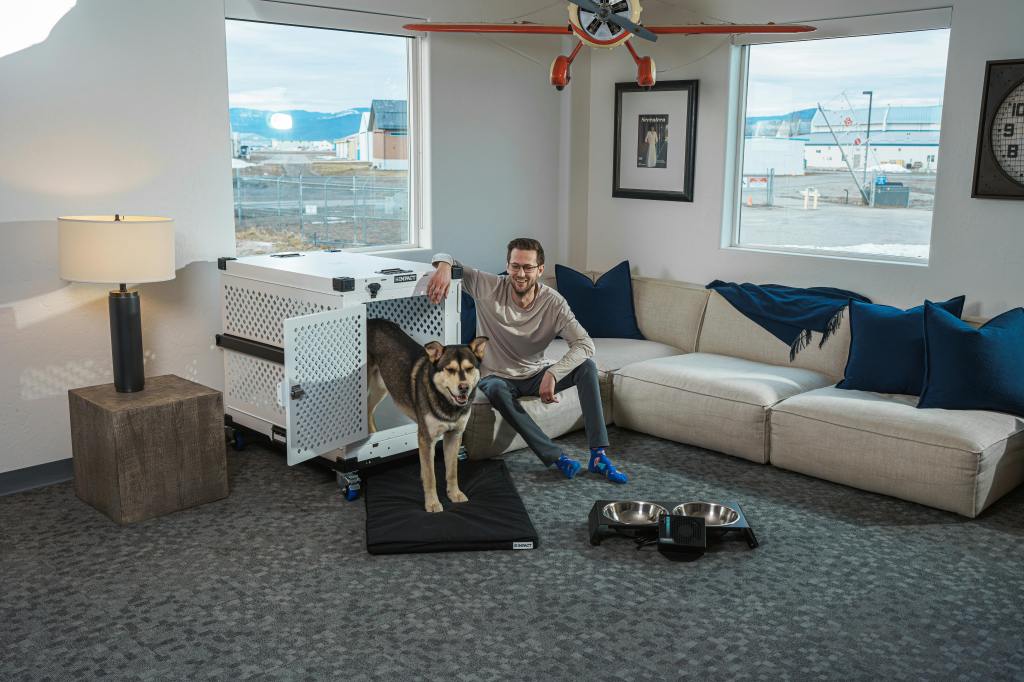
As much as we love our dogs, many pet owners face the challenge of leaving their furry friends home alone. Dogs are social animals, and being left by themselves can lead to anxiety and stress, especially in those who experience separation anxiety. From destructive behaviors to excessive barking, home-alone time can be overwhelming for some dogs. Fortunately, a dog crate can serve as a helpful tool in reducing anxiety and creating a calm, secure environment for your dog when you’re away.
Understanding Separation Anxiety in Dogs
Separation anxiety is a common condition in dogs, characterized by stress and distress when they are separated from their owners. This anxiety often leads to destructive behaviors such as chewing furniture, scratching doors, or barking incessantly. Dogs with separation anxiety may also display signs of distress, such as drooling, whining, or even urinating or defecating inside the house. While it’s natural for dogs to miss their owners, the level of distress experienced by anxious dogs can be excessive and difficult to manage without intervention.
The American Kennel Club (AKC) defines separation anxiety as an intense, often debilitating condition that stems from a dog’s attachment to their owner (source: American Kennel Club – Separation Anxiety). It’s important to understand that separation anxiety isn’t simply a matter of being “bad” or “unruly”—it’s a genuine emotional response to being left alone. Fortunately, there are effective strategies, including crate training, that can help ease the anxiety and make your dog’s alone time much more comfortable.
The Benefits of Crate Training for Reducing Anxiety
A dog crate can be a game-changer for managing separation anxiety. When used correctly, a crate provides a secure, enclosed space that can help reduce anxiety by giving dogs a sense of safety and control. Just like wild dogs seek dens for protection, domesticated dogs find comfort in confined spaces that allow them to feel secure from external stressors.
By introducing a crate as part of the dog’s routine, you can teach them to associate it with relaxation and comfort. Crates offer a sanctuary where dogs can retreat to when they need a break from the chaos around them. This is especially important for dogs that suffer from separation anxiety, as it provides a controlled environment where they can feel secure and protected when left alone.
How Crates Help Manage Anxiety During Alone Time
When a dog experiences separation anxiety, the thought of being left alone can trigger intense stress responses. However, if a dog is crate-trained, they will have a safe, familiar space to retreat to when you’re not home. Over time, the dog can learn that the crate is a comforting place where they are safe and protected, not a place of confinement or punishment.
The American Kennel Club emphasizes that a crate should be used to provide a calming environment, rather than as a means of punishment (source: American Kennel Club – Crate Training). When crate training is introduced gradually, dogs begin to associate their crate with positive experiences, such as receiving treats, meals, or playtime. This positive reinforcement helps the dog feel more comfortable in the crate, which in turn reduces the anxiety they experience when you leave.
Creating a Positive Crate Experience
For crate training to be effective in reducing anxiety, it’s essential to create a positive association with the crate. Start by introducing the crate in a calm, low-stress environment. Allow your dog to explore the crate at their own pace without force. Place their favorite toys, treats, or even their bedding inside to make the crate more inviting.
Once your dog is comfortable with the crate, start gradually increasing the time they spend inside. Begin by closing the door for short periods while you are still in the room. As your dog becomes more accustomed to being inside the crate, slowly increase the duration of time they spend inside with the door closed. This gradual approach will help your dog feel more relaxed and less anxious about being confined.
Once your dog is comfortable with the crate while you are home, you can begin to practice leaving them alone for short periods. Begin with a few minutes and gradually increase the time, ensuring that your dog remains calm throughout. It’s important to stay calm and avoid making a big fuss when you leave or return. This helps your dog understand that your departures and arrivals are normal, and they will begin to feel less anxious.
The Role of Routine and Consistency
One of the most effective ways to reduce anxiety in dogs is by providing a consistent routine. Dogs thrive on predictability, and knowing what to expect helps them feel more secure. A crate provides a consistent, safe space where your dog can retreat when needed. Over time, the crate becomes a familiar part of their daily routine, offering them a sense of stability and control.
In addition to crate training, maintaining a regular schedule for feeding, walks, and playtime can help reduce anxiety in your dog. Dogs that have a predictable routine are less likely to become anxious or stressed, as they can anticipate what will happen next. By creating a structured environment, you help your dog feel more confident and secure, reducing their overall anxiety levels.
Crate Training as a Solution for Destructive Behaviors
Dogs with separation anxiety often engage in destructive behaviors when left alone. They may chew on furniture, scratch doors, or tear up household items. These behaviors are not only frustrating for pet owners but can also result in injury or damage to the home. Crate training provides a safe and secure environment where these destructive behaviors are less likely to occur.
When your dog is in their crate, they are unable to engage in destructive behaviors, such as chewing or scratching. Instead, they can relax and settle into their safe space. This not only helps protect your home but also allows your dog to rest and calm down, which can reduce their anxiety over time.
Crates as a Tool for Preventing Over-Stimulation
For some dogs, overstimulation during home-alone time can contribute to anxiety. Loud noises, the presence of other pets, or even the excitement of seeing people come and go can cause anxiety. A crate offers a solution by providing a quiet, enclosed space where your dog can rest undisturbed.
By giving your dog a designated space to retreat to, you allow them to escape from external stressors and reduce the chances of becoming overstimulated. This can be especially helpful for dogs that become anxious or aggressive when exposed to too much noise or activity in the home.
Conclusion: Crate Training for a Calmer Dog
Crate training is a powerful tool for reducing anxiety in dogs, especially those who struggle with separation anxiety. By creating a safe, secure environment, a dog crate helps dogs feel more comfortable and relaxed when they are home alone. With gradual training, positive reinforcement, and consistency, you can help your dog form a positive association with their crate, leading to a calmer and less anxious companion.If you’re ready to help your dog feel more secure and less anxious when you’re away, consider investing in a high-quality dog crate. Impact Dog Crates are designed to provide the perfect balance of comfort and security, helping anxious dogs feel safe while you’re away. Visit Impact Dog Crates to find the ideal crate for your dog and give them the calm, safe space they deserve.
 Dog Anxiety Support
Leave a comment