
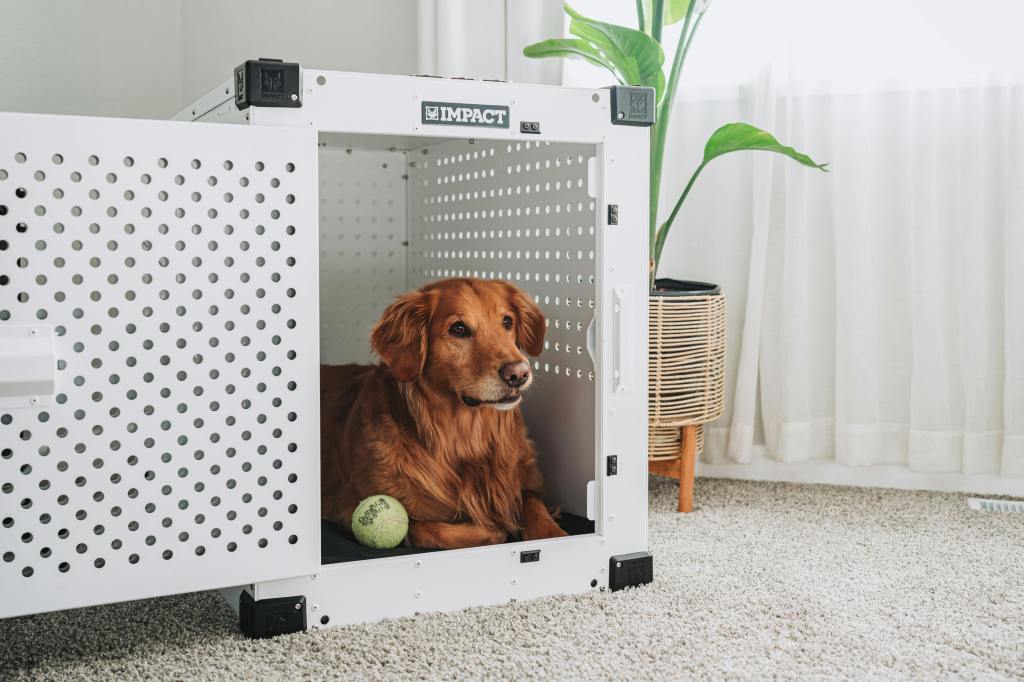
Separation anxiety is one of the most common and distressing behavioral issues that many dogs face. It occurs when dogs become excessively anxious or stressed when they are separated from their owners or left alone at home. This anxiety can manifest in destructive behavior, constant barking, and even physical harm in extreme cases. Fortunately, there are various ways to help ease this anxiety, and one of the most effective methods is crate training. When done properly, a dog crate can become a safe and secure space for your dog, reducing their stress and anxiety when you are away.
What Is Separation Anxiety?
Separation anxiety in dogs is a condition where a dog becomes overly distressed when left alone or separated from their owner. This anxiety is often triggered by the absence of the owner or the anticipation of being left alone. The symptoms of separation anxiety can vary from dog to dog, but common signs include excessive barking, whining, destructive chewing, digging, urinating or defecating inside the house, and attempts to escape from confined spaces. In severe cases, dogs may even harm themselves in an attempt to escape.
The American Kennel Club (AKC) highlights that separation anxiety can occur due to a variety of reasons, including a history of traumatic experiences, a sudden change in routine, or a lack of proper training. It’s important to note that separation anxiety is not the same as simple loneliness—it’s a genuine fear response to being alone. Addressing this condition requires patience, consistency, and, in many cases, the use of tools like a dog crate to provide comfort and security.
How Crate Training Helps with Separation Anxiety
A dog crate can serve as a powerful tool in managing separation anxiety. When introduced properly, a crate creates a safe, controlled environment for the dog, giving them a place to retreat to when they feel stressed or anxious. The key to using a crate for separation anxiety is to make the crate a positive, comfortable space where the dog feels secure, rather than a place of punishment.
Dogs are naturally den animals, and they find comfort in enclosed spaces that make them feel protected. A crate provides just that—an enclosed, secure area that can mimic a den-like environment. By crate training, you can help your dog associate their crate with calmness, relaxation, and a sense of safety, which can reduce their anxiety when you leave.
Step-by-Step Guide to Using a Crate for Separation Anxiety
1. Choose the Right Crate
Before starting crate training, it’s essential to choose the right crate for your dog. The crate should be large enough for your dog to stand, turn around, and lie down comfortably. However, it shouldn’t be so large that it feels too open or overwhelming. Impact Dog Crates, for example, are designed to be secure, durable, and well-ventilated, providing the perfect environment for your dog to feel safe.
When selecting a crate, ensure it is made of sturdy material, like aluminum, which will offer a sense of security. Additionally, a crate with proper ventilation and a comfortable bedding material can enhance your dog’s experience.
2. Introduce the Crate Slowly
The goal is to create positive associations with the crate. Start by placing the crate in an area where your dog spends time, such as the living room. Allow your dog to explore the crate at their own pace without forcing them inside. You can encourage them by placing treats or their favorite toy inside the crate.
Once they are comfortable entering and exiting the crate, begin feeding them their meals inside. This helps reinforce the idea that the crate is a positive place to be. Make sure the experience is enjoyable so your dog starts associating the crate with comfort, rather than confinement.
3. Increase Crate Time Gradually
Start by closing the crate door for short periods of time while you are still in the room. Gradually increase the duration as your dog becomes more comfortable being inside the crate. The goal is to avoid causing any distress, so go at your dog’s pace. Each time your dog remains calm, reward them with treats and praise. This will help them see the crate as a safe place where they can relax and feel secure.
4. Desensitize Your Dog to Your Absence
Once your dog is comfortable with short crate sessions while you’re home, it’s time to start leaving them in the crate for longer periods, even when you’re not present. Begin by stepping out of the room for a few minutes, and gradually increase the time you spend away. It’s important to stay calm and avoid making a big deal out of your departure or return. This helps your dog understand that your absence isn’t something to fear.
During these initial practice sessions, try to keep your goodbyes brief and low-key. If you create a lot of fuss when leaving or returning, it can increase your dog’s anxiety. Instead, aim to remain calm and nonchalant, so your dog doesn’t associate your departure with stress.
5. Use Calming Products if Needed
If your dog continues to experience anxiety during crate time, consider using calming products. These may include pheromone sprays or calming collars, which can help reduce anxiety. However, it’s crucial that these products be used in combination with crate training to ensure the most effective results.
6. Never Use the Crate as Punishment
It’s important to note that a crate should never be used as a form of punishment. Doing so will create negative associations with the crate, making your dog more reluctant to enter it. Instead, the crate should be a positive, safe space where your dog can relax and feel secure.
The Benefits of Crate Training for Separation Anxiety
Crate training offers several benefits for dogs with separation anxiety. When dogs are crate trained, they are given a safe place to retreat when feeling anxious. This can be especially helpful during moments when they need to be left alone, whether for short periods or longer durations.
Crates also help prevent destructive behaviors that are often seen in dogs with separation anxiety. When left unattended, anxious dogs may chew furniture, scratch doors, or even try to escape. Crate training helps prevent these behaviors by giving the dog a safe, secure space to stay while you’re away.
Moreover, crates provide a sense of routine and consistency. Dogs thrive on routine, and having a consistent space to retreat to helps them feel more secure. As dogs become accustomed to the crate, they will begin to see it as a safe haven rather than a source of stress.
Final Thoughts: Crate Training for a Calmer Dog
Separation anxiety can be a challenging issue for both dogs and their owners, but crate training offers an effective solution. By creating a positive, secure space for your dog, you can help reduce their anxiety and make your departures less stressful. The key to success is patience and consistency, so be sure to take things slowly and gradually.If you’re ready to help your dog manage separation anxiety, begin crate training today with a high-quality crate that is built to last. Head over to Impact Dog Crates to find the perfect crate for your dog. With the right crate and proper training, you can help your dog feel safe, secure, and calm, even when you’re not around.
 Dog Anxiety Support
Leave a comment