
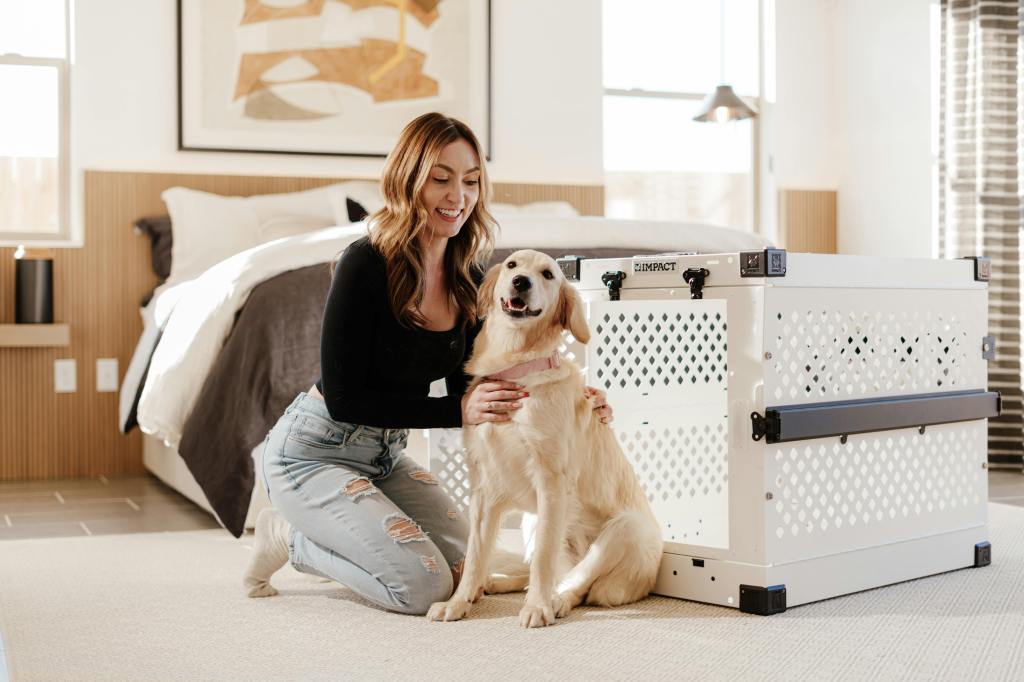
Dogs are loyal companions, and we do everything we can to keep them happy and healthy. However, just like humans, dogs can experience anxiety. Whether it’s triggered by separation, unfamiliar sounds, or general stress, anxiety in dogs can lead to destructive behavior and overall distress. Understanding how anxiety affects dogs and how to manage it is crucial. One of the most effective ways to help an anxious dog is through the use of a dog crate. When used correctly, a crate can provide a sense of safety and security, helping to alleviate anxiety.
Understanding Dog Anxiety
Dog anxiety is a common issue that can manifest in several different ways. It can range from mild nervousness to extreme panic. Symptoms of anxiety include excessive barking, whining, destructive chewing, urination or defecation in the house, and even self-harm like paw licking or tail chasing. Various factors can cause anxiety in dogs, including:
- Separation Anxiety: When a dog becomes overly attached to their owner, being left alone can trigger intense fear and stress.
- Noise Sensitivity: Dogs may become anxious due to loud noises such as thunderstorms, fireworks, or even the vacuum cleaner.
- Travel Anxiety: Long car rides or trips to the vet can be distressing for dogs that aren’t used to traveling.
- New Environments or Changes: Moving to a new home, having a new pet, or rearranging furniture can also make some dogs feel uneasy.
Understanding the root cause of anxiety in your dog is the first step in managing it. Fortunately, there are effective tools available to help mitigate the effects of anxiety. One such tool is the dog crate.
The Role of Crates in Alleviating Dog Anxiety
A crate isn’t just a place for your dog to sleep; it can be a sanctuary of calm and comfort. Many pet owners wonder how a simple crate can help with anxiety, and the answer lies in creating a secure environment that fosters a sense of safety. According to the American Kennel Club (AKC), one of the most effective ways to combat dog anxiety is to provide a designated space where the dog can retreat when feeling stressed (source: American Kennel Club – Dog Anxiety).
Crates Create a Safe, Controlled Environment
For dogs suffering from anxiety, having a safe place to retreat to is essential. A dog crate provides a controlled environment where the dog can feel protected from the world around them. The enclosed nature of the crate makes it a den-like space, much like the natural dens that wild dogs seek for comfort and safety. This can be particularly beneficial for dogs with separation anxiety, as it provides them with a sense of security when left alone.
In addition to being a safe space, crates can help manage anxiety triggers. For example, when a dog is nervous about being left alone, the crate acts as a controlled environment that reduces the chance of destructive behaviors such as chewing or excessive barking. It helps the dog settle in and feel more at ease, instead of roaming the house and potentially causing chaos due to their anxiety.
The Psychological Benefits of a Crate
The psychological impact of a crate on an anxious dog is significant. Dogs are creatures of habit and routine, and having a designated place to call their own can give them a sense of stability. When dogs feel safe and secure in their crates, they can relax and recharge, which helps reduce their anxiety over time. The crate becomes associated with positive feelings of calm and comfort, much like a retreat from the outside world.
Research from the American Kennel Club has highlighted that dogs who are given a consistent and secure space to relax in show fewer signs of anxiety-related behaviors. The crate helps by creating a predictable environment, which reduces stress levels and increases confidence. This can be especially helpful for dogs with noise phobias, as a crate offers a quiet, enclosed space away from loud or frightening sounds.
How Crates Can Help with Separation Anxiety
Separation anxiety is one of the most common forms of anxiety in dogs. Dogs with this condition experience intense distress when left alone, and their anxiety can manifest in several ways, such as barking, whining, drooling, and even destructive chewing. In severe cases, dogs may injure themselves while trying to escape.
While it may seem counterintuitive to place a dog in a crate when they are feeling anxious about being separated from their owner, it can actually be one of the most effective ways to help manage the condition. A crate provides the dog with a safe, familiar environment where they feel secure, even when left alone. This can reduce the feelings of isolation and help the dog feel less overwhelmed.
It’s important to note that crate training for separation anxiety should be done gradually. The goal is to help the dog associate the crate with positive experiences, so they don’t feel trapped or isolated. Start by leaving the dog in the crate for short periods of time and gradually increase the duration as they become more comfortable. This method helps prevent the dog from becoming more anxious, as they learn that the crate is a safe space, not a punishment.
The Benefits of Crates for Noise Phobias
Another common anxiety trigger for dogs is loud noises, such as thunderstorms, fireworks, or even the sound of a vacuum cleaner. Dogs with noise phobias often become highly stressed when exposed to these sounds, leading to behaviors such as shaking, panting, or attempting to escape. In some cases, dogs may even injure themselves trying to hide or flee from the noise.
Crates can provide a sanctuary during these stressful moments. The enclosed space of the crate helps block out loud noises, reducing the dog’s exposure to the source of their fear. Additionally, the crate’s cozy environment offers comfort and security, which can help calm the dog during anxious situations.
Conclusion: Crates as a Tool for Managing Anxiety
Using a crate as part of your dog’s anxiety management plan can have lasting positive effects on their mental well-being. Crates provide a safe, secure, and familiar environment where your dog can retreat when feeling stressed or anxious. Whether your dog is dealing with separation anxiety, noise phobias, or general nervousness, a crate can offer them the comfort they need to relax and feel safe.
If your dog struggles with anxiety, consider investing in a high-quality crate that suits their needs. A sturdy, well-ventilated crate can make all the difference in helping your dog find peace of mind.For more information on how to choose the right crate for your dog, and to explore a range of products designed to enhance your dog’s comfort, visit Impact Dog Crates. Your dog deserves a safe and secure space to thrive—make sure they have the best.
 Dog Anxiety Support
Leave a comment