
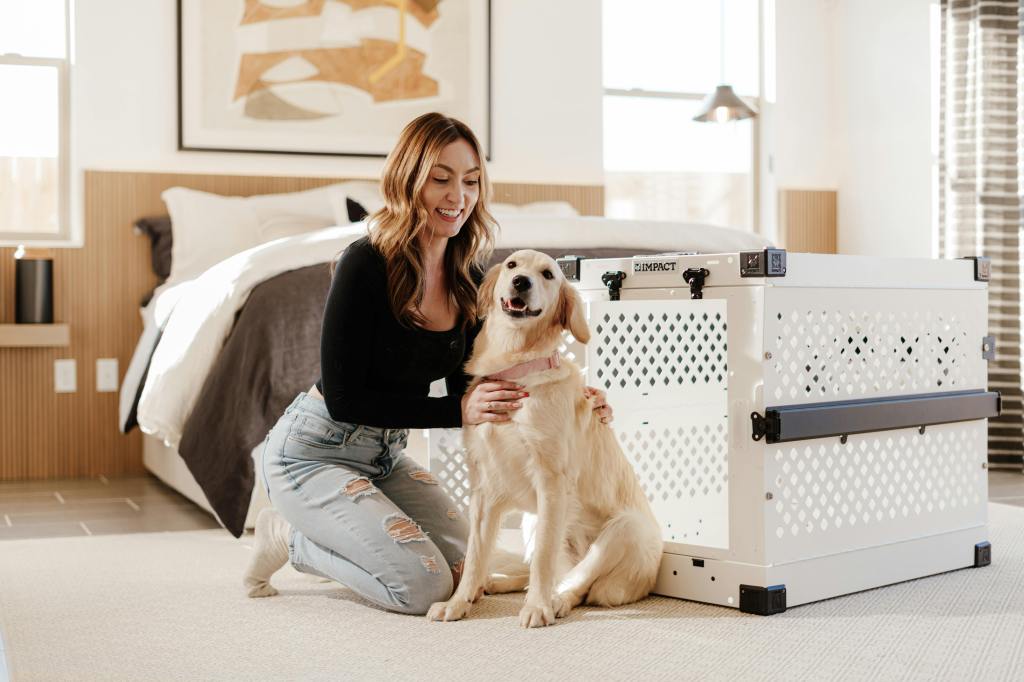
Anxiety can be a significant challenge for both dogs and their owners. From excessive barking to destructive chewing, anxious dogs often display behaviors that can be frustrating and, at times, damaging. Fortunately, one of the most effective and positive methods for alleviating anxiety in dogs and curbing destructive behaviors is crate training. Crate training provides a sense of security, structure, and comfort for anxious dogs, helping them feel safe and supported, while giving owners peace of mind.
In this article, we’ll explore how crate training helps anxious dogs, why it’s such an effective tool for managing destructive behaviors, and how the right crate can make all the difference. Let’s dive in and discover why saying goodbye to destructive anxiety behaviors with crate training is the key to a happier, healthier dog.
Understanding Destructive Anxiety Behaviors
Before we delve into the benefits of crate training, it’s important to understand why anxiety leads to destructive behaviors in dogs. Just like humans, dogs can experience anxiety due to various triggers such as separation from their owners, loud noises, changes in routine, or unfamiliar environments. When dogs feel anxious, they often resort to destructive behaviors as a way of coping.
These behaviors can include:
- Excessive barking or whining: Dogs with anxiety may vocalize loudly when they feel stressed, especially when they are left alone.
- Chewing furniture or household items: Anxious dogs may chew on furniture, shoes, or other household items as a way to release pent-up energy or relieve their stress.
- Digging or scratching: Digging at the door or scratching at the walls can be a sign of anxiety, particularly in dogs that are left alone for long periods.
- Soiling in the house: Dogs that are stressed may lose control of their bladder or bowels, leading to accidents inside the home.
These behaviors are often a dog’s way of expressing their discomfort or frustration. However, they can be incredibly disruptive and may lead to further stress for both the dog and the owner.
The Power of Crate Training in Reducing Anxiety
Crate training works by providing dogs with a safe, secure space where they can retreat to when feeling anxious. Crates offer a den-like environment that taps into a dog’s natural instinct to seek out a confined, quiet space when they are stressed. By teaching your dog to associate the crate with positive experiences, such as rest and relaxation, you can reduce their anxiety and prevent destructive behaviors.
A study by the American Veterinary Medical Association supports the idea that providing a secure, enclosed space can help reduce anxiety in dogs. According to the AVMA, “Creating a safe space where a dog can retreat to relax can help alleviate stress and anxiety in many dogs” (source: AVMA).
How Crate Training Reduces Destructive Behaviors
Crate training addresses anxiety by giving dogs a secure, predictable environment where they can feel safe and at ease. Here’s how it works:
- Crates Create a Secure Space: A crate acts as a dog’s own personal sanctuary. When an anxious dog feels overwhelmed by external stimuli, such as loud noises or unfamiliar people, they can retreat to their crate to feel protected. The crate mimics a natural den, providing a confined space that dogs instinctively seek when they need to calm down.
According to the American Kennel Club (AKC), “Crates provide a secure environment that allows dogs to rest without feeling exposed to stressors” (source: AKC). - Establishing a Routine and Structure: Dogs are creatures of habit, and anxiety often stems from uncertainty or a lack of structure. Crate training helps establish a predictable routine for your dog. By crating your dog during designated times, such as when you’re away or at night, your dog begins to associate the crate with relaxation and calm. The consistency of this routine reduces the unpredictability that often causes anxiety in dogs.
The crate also prevents your dog from engaging in destructive behaviors such as chewing or barking when they are unsupervised. By limiting their access to other areas of the house, the crate ensures that your dog doesn’t get into trouble while you’re away. - Crate Training Reduces Separation Anxiety: Separation anxiety is one of the most common causes of destructive behaviors in dogs. Dogs that suffer from separation anxiety may become agitated and anxious when left alone, leading to destructive behaviors such as chewing furniture or urinating indoors. Crate training can help reduce these behaviors by providing your dog with a familiar, safe space to relax when you’re away.
Research has shown that crate training can be effective in reducing separation anxiety. When a dog has a crate, they are less likely to experience feelings of abandonment because they have a secure environment to settle into. Over time, this can help your dog become more comfortable with being alone and reduce anxiety-induced behaviors. - Positive Reinforcement Encourages Calm Behavior: Crate training can be combined with positive reinforcement to encourage good behavior. When your dog enters the crate willingly and settles down, reward them with a treat, praise, or a favorite toy. This reinforces the idea that the crate is a positive, calming place, helping your dog associate their crate with relaxation and comfort.
Over time, your dog will start to feel more at ease in their crate, making it easier for them to relax and avoid destructive behaviors. Positive reinforcement creates a strong bond between you and your dog, building trust and reinforcing calm behavior.
Crate Training for Dogs with Different Anxiety Triggers
Every dog is different, and each dog may respond to anxiety triggers in different ways. Crate training is a versatile tool that can be used to address various types of anxiety, including:
- Separation Anxiety: Crate training helps dogs with separation anxiety by providing them with a secure space when left alone. Gradually, your dog will learn to associate being in the crate with comfort and relaxation, reducing their anxiety when you’re not around.
- Noise Anxiety: Dogs who are afraid of loud noises, such as thunderstorms or fireworks, can benefit from crate training. The crate provides a quiet, safe space where they can retreat during stressful situations.
- Generalized Anxiety: For dogs that suffer from general anxiety, crate training offers a consistent, predictable environment where they can feel safe and secure. The crate helps reduce stress and provides a calming effect during everyday situations.
Choosing the Right Crate for Your Dog
Not all crates are created equal, and selecting the right crate for your dog is crucial for effective crate training. Impact Dog Crates offers high-quality, durable crates that are designed with anxious dogs in mind. Their crates are built to withstand even the most energetic or anxious dogs, ensuring that your pet stays safe and secure.
Impact Dog Crates are available in various sizes and designs, allowing you to choose the perfect fit for your dog’s needs. Whether you’re dealing with a small dog or a larger breed, Impact Dog Crates provides the ideal solution for creating a safe, comfortable space for your dog to relax.
Conclusion
Crate training is a powerful tool for managing anxiety and preventing destructive behaviors in dogs. By providing your dog with a safe, secure environment where they can relax and decompress, you’re giving them the tools they need to feel calm and at ease. Crate training helps reduce anxiety, promote better behavior, and establish a routine that benefits both you and your dog.
If you’re ready to say goodbye to destructive anxiety behaviors, consider investing in a high-quality crate from Impact Dog Crates. Visit Impact Dog Crates today to find the perfect crate for your dog and start crate training with confidence.
With the right crate and crate training techniques, you can help your anxious dog feel more secure, reduce destructive behaviors, and improve their overall well-being. Give your dog the gift of comfort and security today!
 Dog Anxiety Support
Leave a comment