
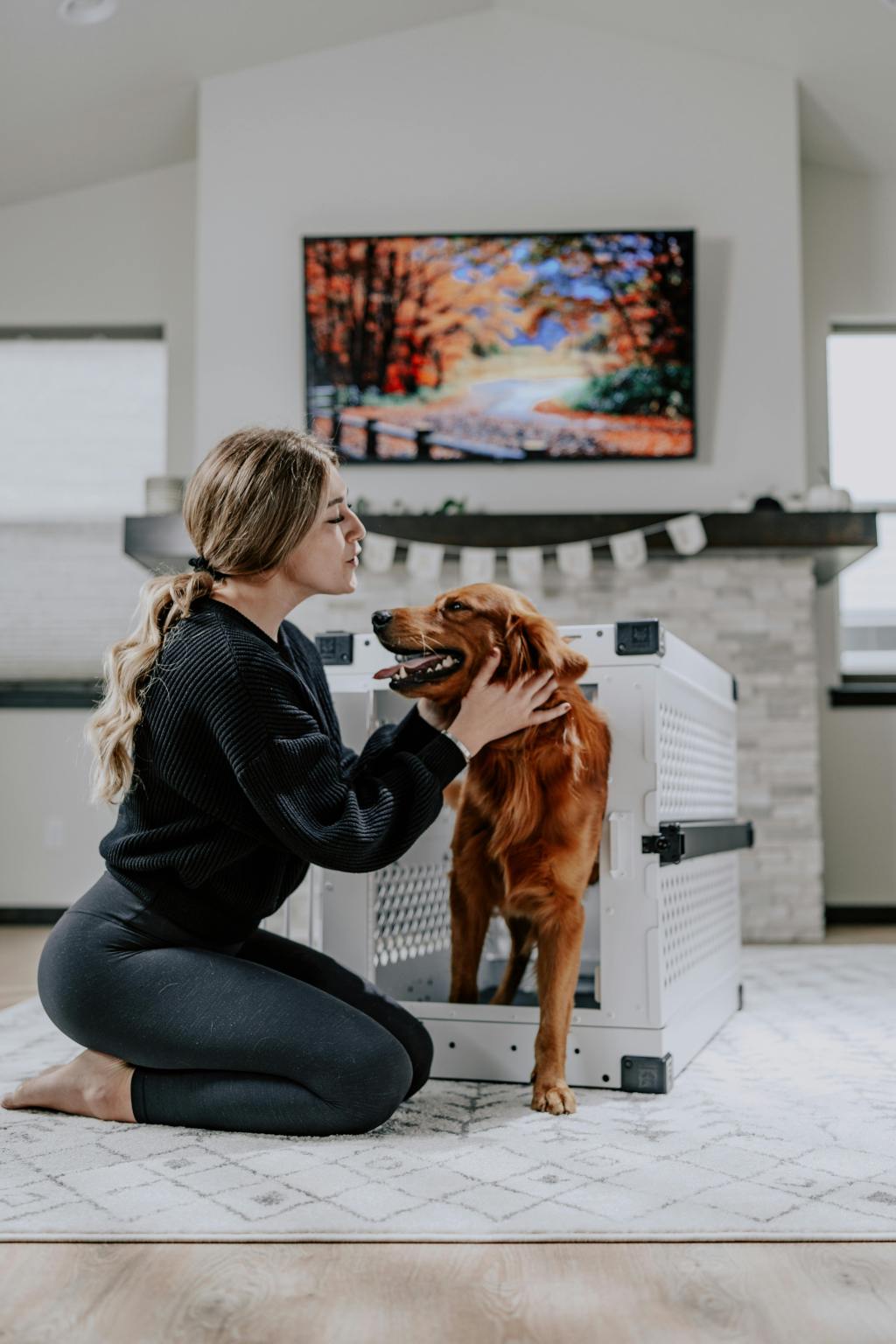
If you’ve noticed your dog displaying signs of anxiety, such as restlessness, barking, or chewing, crate training can be a highly effective solution to help them feel more secure. Crates, when used correctly, provide dogs with a safe and cozy space that mimics their natural instincts to find a secure den. For dogs dealing with anxiety, the crate can be a transformative tool in creating an environment that fosters relaxation, reduces stress, and promotes a sense of security.
The Crate as a Safe Space
The most important aspect of crate training is the creation of a safe space. Dogs, especially those prone to anxiety, are comforted by having a designated area where they can retreat to when they feel overwhelmed. This area acts as their den—a private, enclosed space where they can relax and feel in control. It’s a familiar, secure environment that doesn’t expose them to the external stimuli that might trigger their anxiety.
Anxiety often arises when dogs feel exposed or vulnerable, and crates offer them the sanctuary they need. This was confirmed by a study published by the American Veterinary Medical Association which states that dogs experience less stress when provided with a safe space, like a crate, where they can retreat to when they feel threatened (source: AVMA).
Crates Provide Structure and Routine
One of the key factors in helping anxious dogs is providing them with structure and consistency. Dogs are creatures of habit, and they often find comfort in routines. When you crate train your dog, you’re offering them a consistent and predictable environment that they can rely on.
A regular crating routine helps dogs understand that it’s time to rest, relax, and recharge. This can greatly reduce anxiety as dogs become accustomed to a set schedule that includes quiet time in their crate. Over time, they begin to associate the crate with a calm, restful environment rather than a source of stress.
By offering this structure, you give your dog something familiar to depend on, and this security can help them feel more at ease even during moments of uncertainty.
Reducing Separation Anxiety
Separation anxiety is a common issue for many dogs, especially those that have formed strong bonds with their owners. When left alone, these dogs may experience feelings of loneliness, fear, or stress. A crate can be an invaluable tool in managing separation anxiety by providing your dog with a secure space when you are not around.
The crate helps by offering a familiar environment for your dog to settle into during your absence. Instead of feeling abandoned or exposed, the dog knows they have their crate as a safe space. The calming effect of the crate allows them to feel more relaxed when you’re away.
According to research from the American Kennel Club, crate training has been shown to help reduce the symptoms of separation anxiety by offering dogs a sanctuary where they can relax and feel safe when their owners leave the house (source: AKC).
Preventing Destructive Behaviors
Dogs with anxiety often resort to destructive behaviors as a way of coping with their stress. Whether it’s chewing furniture, digging, or excessive barking, these behaviors are often a sign that a dog is struggling to manage their anxiety. Crate training helps mitigate these issues by limiting the dog’s access to potentially harmful areas of the house while you’re not around to supervise.
When dogs are given a crate, they can’t engage in destructive behaviors. Instead, they are confined to a safe, controlled environment where they can relax and rest. This not only helps protect your belongings but also gives your dog the opportunity to settle into a calm routine without the added stress of engaging in anxiety-driven behavior.
Creating Positive Associations
One of the most significant benefits of crate training is the ability to create positive associations with the crate. Instead of seeing the crate as a form of punishment, dogs can begin to associate it with positive experiences like relaxation, comfort, and safety.
You can encourage this positive association by using treats, toys, or even a cozy blanket inside the crate. Over time, your dog will start to view the crate as their personal haven—a place where they are free from stress and anxiety. This positive reinforcement can help them feel more secure and relaxed, not just during crate time but throughout their daily life.
How Impact Dog Crates Enhance Security
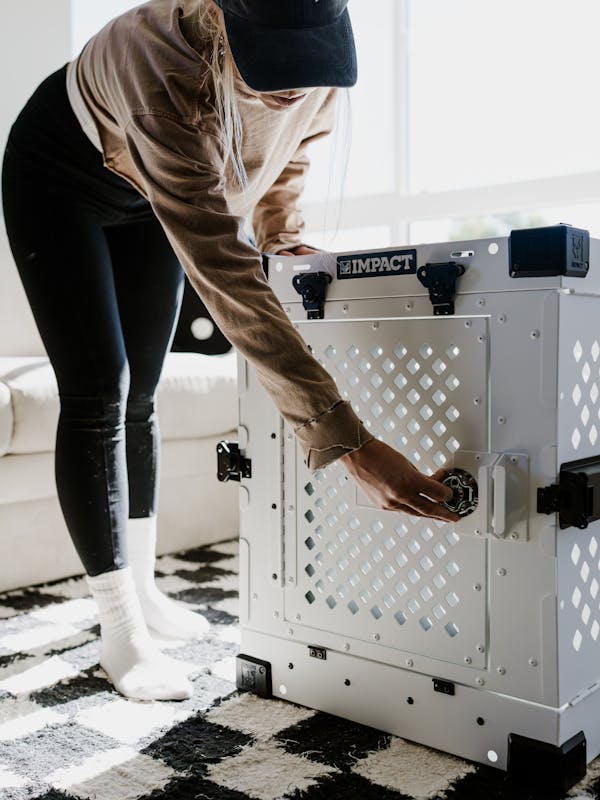
If you’re looking for the best crate to help your anxious dog feel secure, Impact Dog Crates is an excellent choice. Their crates are designed with durability, comfort, and safety in mind. These crates are built to withstand even the most anxious dogs, ensuring that your pet will feel safe and secure, whether you’re at home or away.
Impact Dog Crates offers a variety of high-quality options that are perfect for dogs who need a reliable, calming space. With their sturdy construction, easy-to-clean design, and secure locking mechanisms, Impact Dog Crates ensures that your dog’s crate is a place they can trust to provide comfort and security.
Conclusion
Crate training offers numerous benefits for anxious dogs. It provides them with a safe, secure space to retreat to, helps establish a consistent routine, and reduces anxiety-driven behaviors. Whether your dog suffers from separation anxiety or simply needs a quiet space to relax, crate training can play a vital role in improving their overall well-being and helping them feel more secure.
If you’re ready to give your dog the secure, calming environment they deserve, consider investing in an Impact Dog Crate. Visit Impact Dog Crates to find the perfect crate for your pet and start crate training today.
By creating a safe, reliable space, you’ll not only help your dog manage anxiety but also provide them with the peaceful sleep they need to live a healthier, happier life.
 Dog Anxiety Support
Leave a comment