
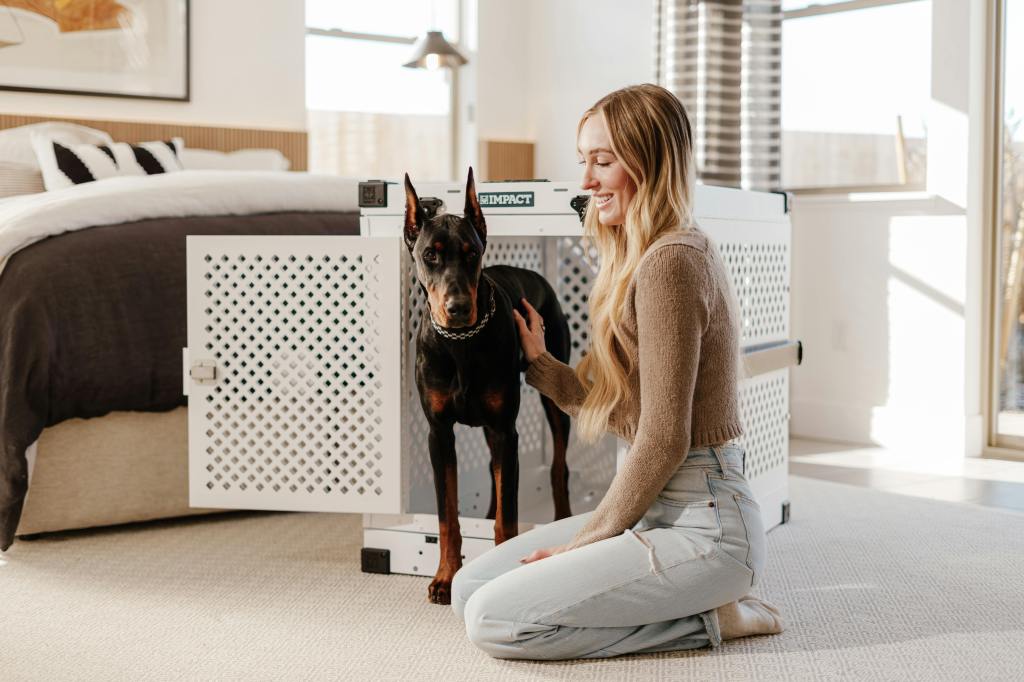
Reactive dogs often exhibit behavior that can be challenging for their owners. From barking at strangers to showing aggression toward other animals, reactive behavior is typically a result of fear, anxiety, or frustration. For many dogs, these reactions stem from a lack of confidence or feeling out of control in certain situations. Fortunately, crate training can be an effective solution to help reactive dogs feel safe, secure, and more relaxed. This positive reinforcement-based training method offers a structured way to help these dogs regain confidence and reduce their reactivity over time.
Understanding Reactive Behavior in Dogs
Before we dive into how crate training works for reactive dogs, it’s important to understand what reactive behavior is and why it happens. Reactive dogs may respond aggressively or anxiously to stimuli that trigger fear or discomfort. These triggers can include loud noises, unfamiliar people or animals, or even specific objects like leashes or harnesses. Reactivity often stems from the dog’s inability to control their environment, making them feel vulnerable and on edge.
While reactive behavior is normal in some dogs, it can become problematic when it escalates into more aggressive or destructive actions. In such cases, the goal of training is to help the dog feel safer and more in control of their surroundings, reducing their tendency to react negatively.
How Crate Training Helps Reactive Dogs
Crate training is one of the most effective strategies for helping reactive dogs manage their anxiety and fear. By providing a secure, personal space, crates offer a sanctuary where reactive dogs can retreat when they feel overwhelmed. Here’s how crate training works to calm reactive dogs:
1. Establishing a Safe Space
For reactive dogs, a crate can become a “safe haven” where they feel protected from the outside world. When dogs are placed in a crate, they have the opportunity to retreat to a quiet space where they feel secure and safe. This is especially important for reactive dogs, as it helps them establish a sense of control in an environment where they may often feel threatened or anxious.
The crate serves as a den-like space that mimics the natural behavior of dogs in the wild, who would seek refuge in a den or a secluded area when they feel threatened. Having this designated safe area helps dogs feel protected and allows them to relax when things around them become overwhelming.
2. Reducing Overstimulation
One of the key reasons reactive dogs act out is due to overstimulation. Whether it’s a sudden noise, a person entering the room, or the presence of another dog, overstimulation can cause a reactive dog to become anxious, frustrated, or defensive. Crates can help reduce this overstimulation by providing a controlled environment where the dog can retreat to calm down.
Using a crate during moments of high anxiety, such as when new people or animals arrive, helps prevent the dog from reacting impulsively. Over time, the dog learns that they can rely on the crate as a calming tool during stressful situations, which reduces the likelihood of aggressive or anxious behavior.
3. Promoting Positive Associations
The key to successful crate training for reactive dogs is creating positive associations. Rather than viewing the crate as a punishment, the goal is for the dog to associate it with comfort, relaxation, and security. Positive reinforcement techniques, such as treats, praise, and toys, can help reinforce these positive associations.
By making the crate a rewarding place to be, the dog will learn to seek refuge there voluntarily. When a dog associates the crate with positive experiences, they are more likely to feel comfortable and calm when placed inside. This helps to prevent anxiety and frustration, both of which can trigger reactive behavior.
4. Encouraging Calmness and Self-Control
Crate training also encourages self-control, an essential skill for reactive dogs. When dogs are placed in a crate, they learn to settle down and remain calm in their environment. This is an important skill for reactive dogs, who may have difficulty controlling their impulses when faced with stressors. By using the crate as a tool for calming down, you’re teaching your dog that they can manage their reactions in a controlled and calm manner.
Over time, crate training helps reactive dogs develop a greater sense of self-control and confidence. This increased confidence can reduce their reactivity, making them less likely to react impulsively in situations where they previously would have been triggered.
Crate Training Tips for Reactive Dogs
While crate training can be an effective strategy for managing reactive behavior, it’s important to approach it with patience and consistency. Here are some helpful tips to ensure success in crate training your reactive dog:
1. Choose the Right Crate
Selecting the right crate is crucial for your dog’s comfort and safety. A high-quality, sturdy crate that provides ample space is essential for crate training, especially for reactive dogs who may become more anxious in smaller, confining spaces. The crate should be large enough for your dog to stand, turn around, and lie down comfortably, but not too large that it feels like an overwhelming, empty space.
An Impact Dog Crate is an excellent choice for reactive dogs due to its durability, design, and ventilation. These crates are built to last and provide a secure, safe environment for your dog to relax in.
2. Start Slowly and Gradually Increase Crate Time
For reactive dogs, it’s important to introduce crate training gradually. Start by allowing your dog to explore the crate at their own pace. Use treats and positive reinforcement to encourage them to enter the crate voluntarily. Once your dog is comfortable entering the crate, begin to close the door for short periods, gradually increasing the time they spend inside.
Be patient and allow your dog to adjust at their own pace. If they show signs of anxiety, reduce the duration and work your way up again. Crate training should never be rushed, especially with reactive dogs.
3. Use the Crate for Positive Experiences
Make the crate a positive place by associating it with rewards. Feed your dog their meals inside the crate, give them treats, or leave them with a favorite toy while they are in the crate. These positive experiences will help them build a favorable association with the crate.
It’s important that the crate is never used as a form of punishment. If the dog sees the crate as a negative space, they are less likely to enter voluntarily, and the training will be less effective.
4. Be Consistent
Consistency is key to successful crate training. Stick to a regular routine when crating your dog, including specific times for crating and short training sessions throughout the day. Over time, your dog will begin to understand the process and feel more comfortable in the crate.
5. Avoid Using the Crate During High Anxiety Situations
While crates are a great tool for managing anxiety, avoid placing your reactive dog in the crate during moments of high stress, such as during thunderstorms or when they are already agitated. Instead, use the crate during calmer moments to create positive associations, and save it for moments when they need to relax and unwind.
Why Choose an Impact Dog Crate?
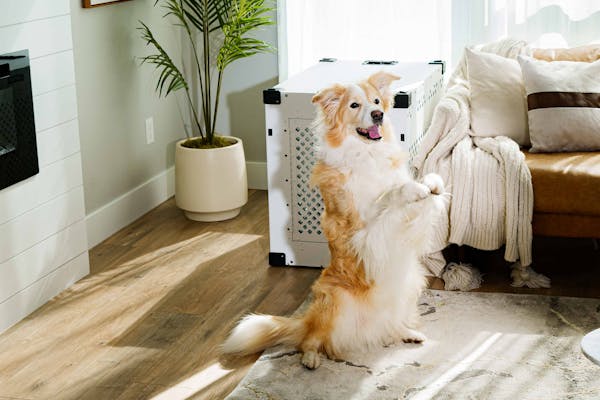
An Impact Dog Crate is the best choice for reactive dogs because of its design, durability, and comfort. These crates are made from high-quality materials and are built to withstand the rigors of daily use. The secure, sturdy construction ensures that your dog remains safe inside, while the well-ventilated design promotes comfort during crating sessions.
For reactive dogs, an Impact Dog Crate offers the security and comfort they need to feel calm and relaxed in their environment. It’s the perfect tool for helping your dog overcome reactivity and build confidence in a safe, controlled space.
Conclusion: A Calming Solution for Reactive Dogs
Crate training is an effective and positive strategy for helping reactive dogs manage their anxiety and fear. By providing a safe, secure space where dogs can retreat, you help them build confidence, reduce reactivity, and promote calmness. With patience and consistency, crate training can make a significant difference in the behavior of reactive dogs.If you’re looking for a high-quality, reliable crate for your reactive dog, visit Impact Dog Crates today. Invest in your dog’s comfort and security, and watch them thrive in their new, calm environment.
 Dog Anxiety Support
Leave a comment