
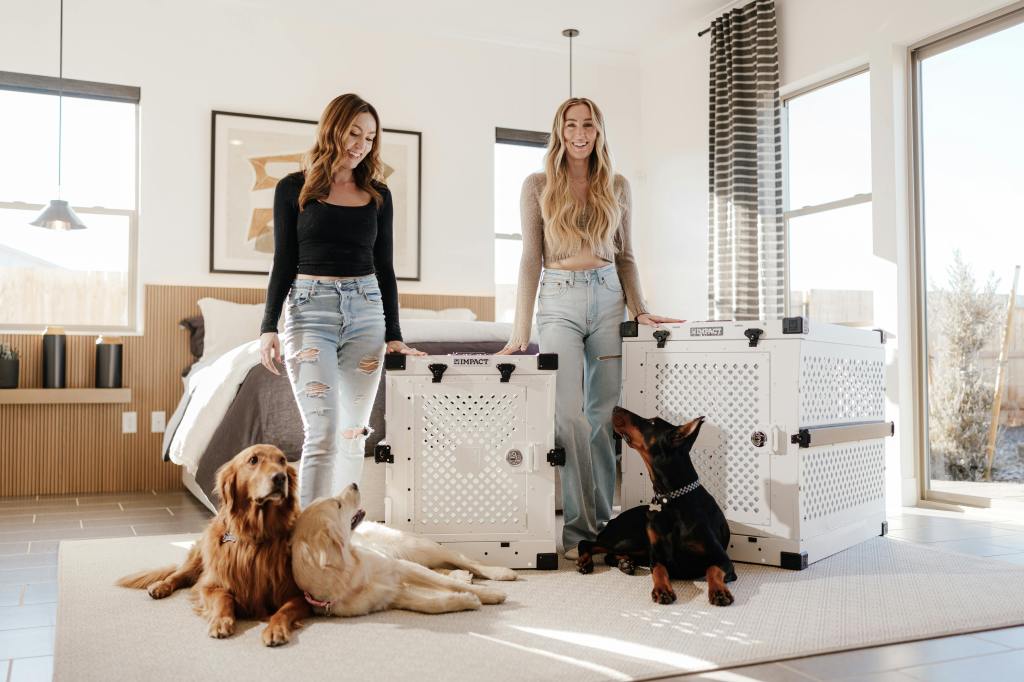
Hyperattachment in dogs is a condition where they form an excessive emotional dependence on their owner, often resulting in severe separation anxiety. Dogs with hyperattachment can become extremely distressed when their human is out of sight, displaying behaviors like whining, barking, destructive chewing, and even self-harm. Managing this condition requires thoughtful strategies that build independence and emotional stability.
One of the most effective tools for addressing hyperattachment is crate training. A properly crate-trained dog learns to be comfortable in their own space, promoting independence and reducing anxiety. In this guide, we’ll explore how crates help prevent anxiety in hyperattached dogs and provide practical steps to implement crate training effectively.
Understanding Hyperattachment in Dogs
Hyperattachment typically develops when a dog becomes overly reliant on their owner for emotional support and security. This can happen for various reasons, including:
- Rescue or Adoption: Dogs who have been abandoned or rehomed multiple times.
- Overbonding: Constant physical contact and attention from their owner.
- Lack of Independence Training: Never learning to be alone or self-soothe.
- Traumatic Experiences: Past abuse or neglect leading to clingy behavior.
Signs of Hyperattachment:
- Extreme Distress When Left Alone: Whining, barking, or howling.
- Destructive Behaviors: Chewing doors, scratching windows, or ripping furniture.
- Incessant Following: Never allowing the owner out of sight.
- Pacing and Panting: Signs of heightened anxiety when the owner leaves.
According to the American Kennel Club (AKC), dogs with separation anxiety and hyperattachment often benefit from crate training because it helps them learn independence in a safe, controlled environment (source: AKC).
Why Crate Training Works for Hyperattached Dogs
When used correctly, crate training helps reduce hyperattachment by providing a structured, comforting environment that encourages dogs to self-soothe and feel secure without constant human presence.
1. Establishes a Safe, Personal Space
A crate acts as a designated refuge where your dog learns to relax independently. It becomes a consistent, familiar spot where they can decompress and rest without direct human interaction.
2. Teaches Independence
By introducing crate time when you’re home and gradually increasing duration, dogs learn to feel comfortable alone. This helps break the cycle of constant dependence on their owner’s presence.
3. Reduces Anxiety During Absence
When dogs learn that being in the crate is predictable and non-threatening, they’re less likely to panic when you leave. The crate becomes a calm, safe zone rather than a place of isolation.
4. Creates Routine and Structure
Dogs thrive on routine. Incorporating crate time into daily activities helps establish predictable patterns, reducing anxiety when it’s time for separation.
How to Introduce Crate Training to a Hyperattached Dog
Dogs with hyperattachment may initially resist being crated, but gradual and positive training makes the process much smoother. Follow these steps to ensure success:
Step 1: Choose the Right Crate
Opt for a crate that is sturdy, secure, and comfortable:
- Durable Construction: To withstand anxiety-driven movements or pawing.
- Noise Reduction Features: Minimizes rattling that can heighten stress.
- Ventilation: Allows airflow without making the space feel too exposed.
- Soft, Comfortable Bedding: Promotes relaxation and rest.
Step 2: Make the Crate Inviting
Creating a welcoming environment helps your dog feel safe and content inside the crate.
Setup Tips:
- Calming Bedding: Use a plush, cushioned mat or blanket.
- Familiar Scents: Place a shirt or blanket that smells like you to provide comfort.
- Pheromone Sprays: Products like Adaptil emit soothing scents that reduce stress.
- Soft Music or White Noise: Playing calming sounds helps block external disturbances.
- A study by the National Institutes of Health (NIH) shows that classical music significantly reduces anxiety in dogs, promoting calmness during separation (source: NIH).
- A study by the National Institutes of Health (NIH) shows that classical music significantly reduces anxiety in dogs, promoting calmness during separation (source: NIH).
Step 3: Introduce the Crate Gradually
To build a positive association, allow your dog to explore the crate on their own terms.
Training Steps:
- Open Access: Keep the crate door open and encourage exploration with treats.
- Reward Voluntary Entry: Praise your dog for entering the crate voluntarily.
- Use Meals as Motivation: Feed your dog inside the crate to create positive connections.
- Short Sessions First: Start with just a few minutes, gradually increasing the time.
Step 4: Practice with You Nearby
In the early stages, stay close while your dog is in the crate to reassure them of your presence.
- Sit Nearby: Read a book or do a quiet activity while they relax in the crate.
- Calm Praise: Use a soft, soothing voice to reinforce positive behavior.
- Avoid Eye Contact: This helps your dog focus on relaxing rather than seeking your attention.
Step 5: Gradually Increase Distance and Duration
Once your dog is comfortable with short sessions, start adding distance and longer durations.
- Move to Another Room: Let your dog remain crated while you’re out of sight briefly.
- Practice Departures: Pick up your keys or put on your coat to simulate leaving, but stay home.
- Extend Time Gradually: Build up to longer periods of separation, rewarding calm behavior.
Tips for Long-Term Success
1. Be Consistent with Crate Use
Make crate time a regular part of your dog’s day, even when you’re not planning to leave. This helps the crate become a routine comfort zone rather than just an indication of your absence.
2. Avoid Making a Big Deal of Departures and Returns
Hyperattached dogs become anxious when departures are dramatic. Instead:
- Keep Exits and Entrances Low-Key: Calmly leave and return without excessive fuss.
- Reward Calm Behavior Only: Avoid reacting to barking or whining, as this reinforces anxiety.
3. Use Calming Aids
Consider using calming collars or diffusers to maintain a relaxed environment while your dog is crated.
Mistakes to Avoid
1. Forcing Your Dog Inside
Never push or drag your dog into the crate. This will create negative associations and increase resistance.
2. Using the Crate as Punishment
If the crate becomes associated with negative experiences, your dog will fear it rather than find comfort inside.
3. Inconsistent Routine
Irregular crate use confuses your dog and undermines training progress. Maintain consistent patterns to build confidence.
Signs Your Dog is Adapting Well
When crate training is successful, you will notice:
- Voluntary Crate Use: Your dog willingly goes to the crate without prompting.
- Calm Demeanor Inside the Crate: Reduced whining or barking.
- Improved Independence: Your dog doesn’t panic when you leave the room.
- Restful Sleep in the Crate: A relaxed posture and comfortable rest indicate positive associations.
Final Thoughts: Building Independence Through Crate Training
Hyperattachment can be challenging, but crate training offers an effective solution to promote emotional stability and independence. By providing a safe, comfortable space where your dog learns to self-soothe and relax, you help them build confidence and reduce anxiety.A well-made, durable crate like Impact Dog Crates offers the security and stability that hyperattached dogs need. These crates are designed to withstand anxiety-driven behavior while providing a cozy, noise-reduced environment. With the right training approach and the right crate, you can help your dog develop resilience and calmness, making life easier and more harmonious for both of you.
 Dog Anxiety Support
Leave a comment