
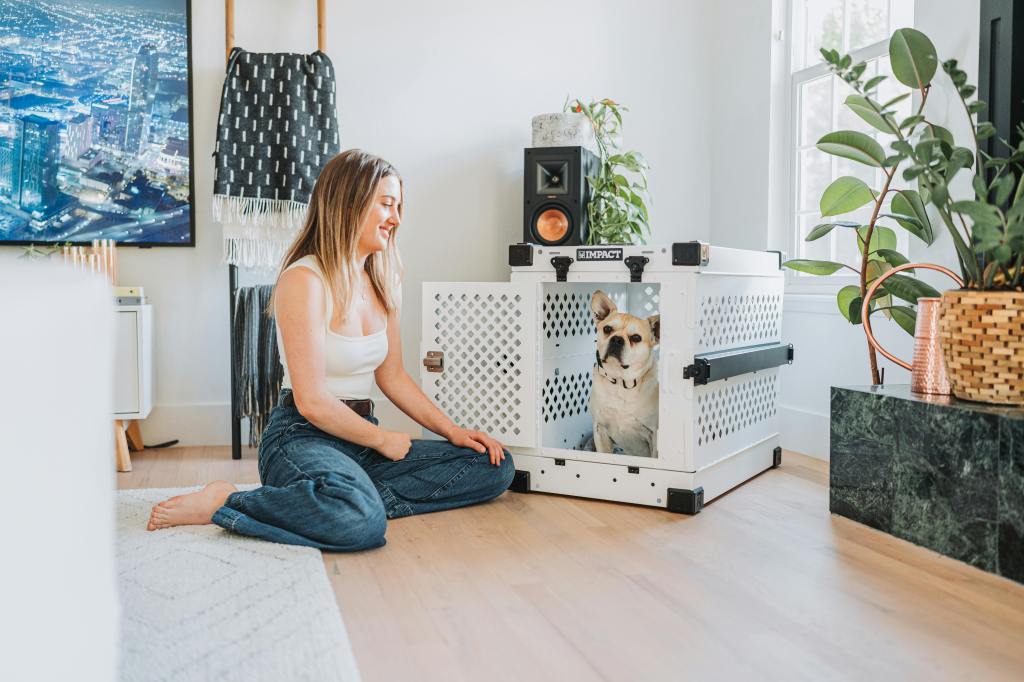
Crate training is more than just a method for housebreaking or controlling your dog’s movements—it’s a transformative practice that positively impacts the entire family. A well-trained dog that sees the crate as a safe, comfortable space not only experiences less anxiety but also integrates more smoothly into household routines. The benefits extend beyond the dog itself, improving the dynamics between family members and creating a harmonious living environment.
In this guide, we’ll explore how crate training enhances family life, why it’s beneficial for both dogs and humans, and how to implement crate training in a way that everyone can follow and appreciate.
Why Crate Training is Beneficial for the Whole Family
Crate training supports the well-being of both dogs and their human companions. Whether you have a busy household with kids or a quieter environment, the positive effects of crate training extend beyond basic dog management.
1. Provides a Safe Space for Your Dog
Dogs naturally seek out den-like environments to feel secure. A crate serves as their personal sanctuary where they can relax, unwind, and escape household chaos when needed.
- Reduces Anxiety: Knowing they have a consistent safe space helps dogs cope with stress and feel more at ease.
- Promotes Independence: Dogs learn to self-soothe in their crate rather than seeking constant reassurance.
- Prevents Overstimulation: Busy households can overwhelm some dogs, but a crate gives them a break from sensory overload.
2. Keeps the Home Orderly and Safe
A crate is an invaluable tool for maintaining order, especially when you can’t supervise your dog.
- Reduces Destructive Behaviors: Dogs prone to chewing, digging, or getting into trouble are safely contained while you’re busy.
- Promotes Cleanliness: Crate training aids in housebreaking by teaching dogs to hold their bladder when confined.
- Safety First: Prevents accidents or injuries when dogs are left unsupervised.
3. Teaches Kids Responsibility and Respect
Children learn valuable lessons when they understand the importance of respecting the dog’s crate.
- Creates Boundaries: Kids learn that the crate is the dog’s private space and not a place to intrude.
- Encourages Compassion: Teaching kids to leave the dog alone while crated fosters empathy and understanding.
- Instills Responsibility: Kids can help with crate care by adding fresh bedding or delivering calming toys.
How to Integrate Crate Training into Family Life
Implementing crate training in a household with multiple family members requires consistency and communication. Here’s how to make crate training a natural part of your daily routine:
1. Set Up a Dedicated Crate Space
Place the crate in a quiet, low-traffic area where your dog can still see and hear the family but not feel overwhelmed. Ideal locations include:
- Living Room Corners: Where they feel part of the action but still secure.
- Bedroom Nooks: Ideal for nighttime crating to promote restful sleep.
- Family Room Spaces: Where they can observe without being in the way.
2. Establish Crate Rules for the Whole Family
Consistency is essential to crate training success, especially in households with kids.
Crate Rules to Follow:
- No Disturbing the Dog in the Crate: Kids should never poke, tease, or try to drag the dog out.
- Quiet Zone: Teach family members to lower their voices when the dog is crated.
- No Forced Entry: The crate should always be a positive space where the dog enters willingly.
- Routine is Key: Always crate the dog during similar times of day to build routine and comfort.
3. Make Crate Time Enjoyable
Transforming the crate into a calming oasis helps reinforce positive associations.
Enhancing Crate Comfort:
- Soft Bedding: Choose plush, washable pads for comfort.
- Favorite Toys: Include chew toys or puzzle feeders to keep your dog occupied.
- Calming Sprays: Pheromone diffusers can help create a peaceful atmosphere.
- White Noise or Music: Soft classical music has been shown to reduce canine stress, according to the National Institutes of Health (NIH) (source: NIH).
4. Create a Crate Routine for Different Scenarios
Daily Routine:
- Morning: Short crate session after breakfast while the family prepares for the day.
- Midday: Crate time during busy household activities to provide a break.
- Evening: Wind down in the crate while the family watches TV or engages in other activities.
- Bedtime: Use the crate as a sleep space to encourage relaxation and consistency.
During Travel or Social Events:
- Teach your dog to feel secure in their crate during car rides or while guests are visiting.
- Use the crate as a safe zone when the house is bustling with activity.
5. Teach Kids to Participate in Crate Training
Letting children take part in crate training fosters a sense of responsibility and understanding. Here’s how they can help:
- Treat Delivery: Allow kids to give treats when the dog enters the crate voluntarily.
- Soft Talk Practice: Teach them to use calming phrases when approaching the crate.
- Routine Reinforcement: Involve them in morning and bedtime crate routines to build positive habits.
6. Use Crate Training as a Tool for Special Situations
Sometimes, families face unique challenges where crates are invaluable:
During Renovations or Cleaning:
- Crating your dog during noisy activities prevents stress and keeps them safely out of the way.
Hosting Guests:
- Use the crate to keep your dog calm and comfortable when strangers visit.
Family Gatherings or Celebrations:
- With a full house and extra chaos, the crate becomes a sanctuary of peace for your dog.
Common Mistakes to Avoid
1. Using the Crate as Punishment
If the crate becomes associated with negative experiences, your dog will resist going inside. Always maintain positive associations by using treats and praise.
2. Inconsistency Among Family Members
If one person allows the dog to roam while another insists on crating, the dog becomes confused. Make sure everyone follows the same routine and rules.
3. Leaving the Dog Crated for Too Long
Extended crating can cause frustration and discomfort. Ensure your dog gets plenty of breaks for exercise and social interaction.
Why Crate Training Benefits Everyone
When done properly, crate training does more than just benefit your dog—it improves family life as a whole. The crate serves as a tool to:
- Promote Routine and Structure: Dogs thrive on consistency, and so do families.
- Enhance Safety: Prevents accidents when dogs are unsupervised.
- Reduce Stress for Both Dog and Family: Knowing your dog is safe and calm helps everyone feel more at ease.
- Foster a Positive Dog-Kid Relationship: Children learn to respect boundaries and understand their pet’s needs.
For the best results, invest in a high-quality crate like Impact Dog Crates. These crates are built to withstand even the most determined dogs, offering unparalleled durability and comfort. With features designed to minimize stress and maximize security, Impact Dog Crates make it easier for families to establish a harmonious crate routine that keeps everyone happy and stress-free.By integrating crate training into your family life thoughtfully and positively, you build a balanced environment where both your dog and your family can thrive.
 Dog Anxiety Support
Leave a comment