
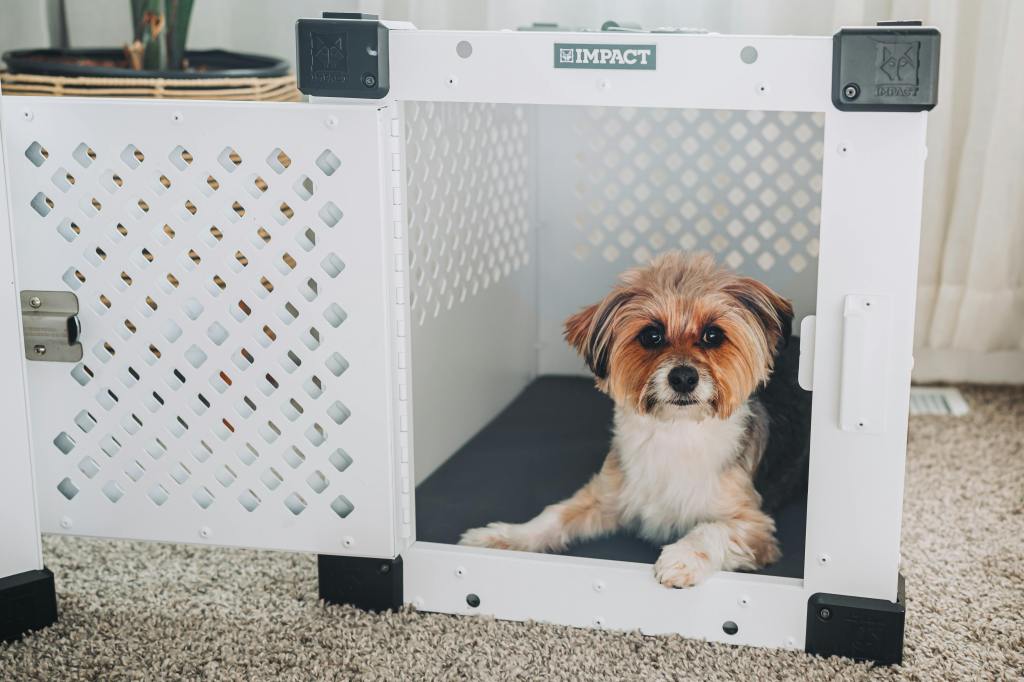
Dogs with a traumatic past or post-traumatic stress disorder (PTSD) require special care and attention when it comes to crate training. Whether they have been rescued from abusive situations, abandoned, or subjected to high-stress environments, these dogs often carry deep emotional scars. The key to successful crate training is to approach it with patience, empathy, and gradual positive reinforcement.
When done correctly, crate training becomes a transformative tool, helping your dog feel secure and grounded. Instead of seeing the crate as a place of confinement, your dog can learn to view it as a safe, comforting refuge. This guide will walk you through the best practices for crate training a dog with trauma or PTSD, ensuring a positive and stress-free experience.
Understanding Trauma and PTSD in Dogs
Dogs can develop trauma or PTSD as a result of:
- Abuse or Neglect: Dogs from abusive homes often carry fear and distrust.
- Abandonment: Being left alone for long periods or abandoned by owners.
- Severe Anxiety: Dogs with chronic stress may develop trauma-related symptoms.
- Natural Disasters: Surviving hurricanes, earthquakes, or other catastrophic events.
- Veteran Dogs: Some service or military dogs experience PTSD from combat situations.
According to the American Veterinary Medical Association (AVMA), trauma in dogs manifests as hypervigilance, avoidance behaviors, trembling, or aggression (source: AVMA). Crate training, when done thoughtfully, can help these dogs regain a sense of safety and stability.
Why Crate Training Helps Trauma and PTSD Dogs
A well-structured crate training program offers multiple benefits for dogs dealing with trauma, including:
- Creates a Safe Space: The crate becomes a sanctuary where your dog feels secure from external stressors.
- Reduces Overstimulation: Anxious dogs often feel overwhelmed by too much activity or noise. A covered crate helps limit sensory input.
- Establishes Routine: Routine is crucial for trauma recovery. Predictable crate time helps foster consistency and security.
- Builds Confidence: Successful crate training helps a dog develop independence and resilience.
- Prevents Self-Injury: During panic episodes, dogs are less likely to hurt themselves if they are safely crated.
Step 1: Choose the Right Crate
Selecting the proper crate is the foundation of successful training. Dogs with trauma or PTSD need a crate that feels secure, durable, and comfortable.
Ideal Crate Features:
- Sturdy and Secure Design: Prevents escape attempts during panic episodes.
- Noise Reduction: Reduces rattling and clanging sounds that may trigger stress.
- Proper Ventilation: Allows airflow while maintaining a den-like feel.
- Comfortable Padding: Soft, cushioned bedding that supports relaxation.
- Easy Access: Wide, inviting doors that don’t feel confining or intimidating.
Step 2: Create a Safe and Calming Environment
The setup of the crate itself plays a crucial role in helping your dog feel at ease.
1. Add Comfort Items
- Soft Blankets: Cushioned bedding to promote relaxation.
- Familiar Scents: A blanket or shirt that smells like you provides comfort.
- Chew Toys or Puzzle Toys: Helps redirect nervous energy.
2. Calming Aids
- Pheromone Sprays: Products like Adaptil emit calming scents that mimic natural dog pheromones.
- Soft Lighting: Dim the room or use a crate cover to block out harsh light.
- Soothing Sounds: Playing soft music or white noise can mask disruptive sounds.
- Research from the National Institutes of Health (NIH) indicates that classical music can significantly reduce anxiety in dogs (source: NIH).
Step 3: Start Slow and Gentle
Dogs with trauma need extra time to build trust and confidence in the crate. Rushing the process can cause setbacks and increase anxiety.
1. Leave the Door Open
Allow your dog to explore the crate freely without feeling trapped. Never force your dog inside or close the door abruptly.
2. Introduce Positive Associations
- Treat Trails: Place treats leading into the crate, encouraging curiosity.
- Meal Times: Feed your dog inside the crate to build a positive connection.
- Gentle Praise: Reward your dog with calm words and gentle touches when they voluntarily enter.
3. Gradually Increase Time Inside
Begin with short sessions and gradually increase the duration as your dog becomes more comfortable. Always monitor their reactions and adjust accordingly.
Step 4: Practice Positive Reinforcement
Using positive reinforcement helps your dog feel safe and confident during crate training.
Reward Calm Behavior
Praise your dog every time they show interest in the crate, even if they just sniff or step inside. Consistent rewards reinforce the idea that the crate is a positive and safe space.
Avoid Punishment
Never use the crate as a form of punishment. This will only create negative associations and increase fear.
Step 5: Monitor Stress Signals
Dogs with trauma may exhibit signs of stress even with gradual training. Be attentive to these signals:
- Trembling or Shaking: Indicates fear and discomfort.
- Whining or Barking: Excessive vocalization may signal distress.
- Panting or Drooling: Signs of heightened anxiety.
- Attempting to Escape: Clawing at the crate or biting the bars.
If your dog shows any of these signs, pause training and give them space to decompress. Go back to shorter, more manageable crate sessions and offer comforting words and gentle encouragement.
Step 6: Reinforce Safety During Stressful Events
Once your dog is comfortable with the crate, practice using it during potentially stressful situations, like thunderstorms or fireworks. This helps your dog associate the crate with safety rather than fear.
Calm Environment Strategies:
- Play Calming Music: Choose soothing tracks to mask loud noises.
- Use Calming Treats: Natural calming chews can help ease tension.
- Speak in Gentle Tones: Your calm presence reassures your dog that they are safe.
Step 7: Be Consistent and Patient
Building trust takes time, especially with a dog who has experienced trauma. Consistency in your approach helps your dog gain confidence and learn to see the crate as a secure place. Celebrate small victories and be patient through setbacks.
Common Mistakes to Avoid
- Rushing the Process: Pushing your dog too quickly can cause setbacks. Take your time and progress at your dog’s comfort level.
- Forcing the Dog Inside: Never drag or push your dog into the crate. Use encouragement and positive reinforcement instead.
- Ignoring Your Dog’s Fear Cues: If your dog shows signs of stress, reassess your approach and move at a slower pace.
- Leaving Them Too Long: Extended crate time can increase stress and harm progress.
The Power of Compassionate Crate Training
Training a dog with trauma or PTSD requires understanding, patience, and gentle guidance. The goal is to create a sanctuary where your dog feels protected and safe from external stressors. By introducing the crate gradually, associating it with positive experiences, and being mindful of your dog’s emotional state, you build a foundation of trust and security.Investing in a reliable, well-built crate like Impact Dog Crates ensures your dog has a secure and durable space to feel safe. These crates are designed to withstand anxious behavior while providing comfort and noise reduction, making them ideal for dogs recovering from trauma or PTSD. With consistency and compassion, your dog can learn to embrace the crate as their personal sanctuary, leading to a calmer, more confident life.
 Dog Anxiety Support
Leave a comment