
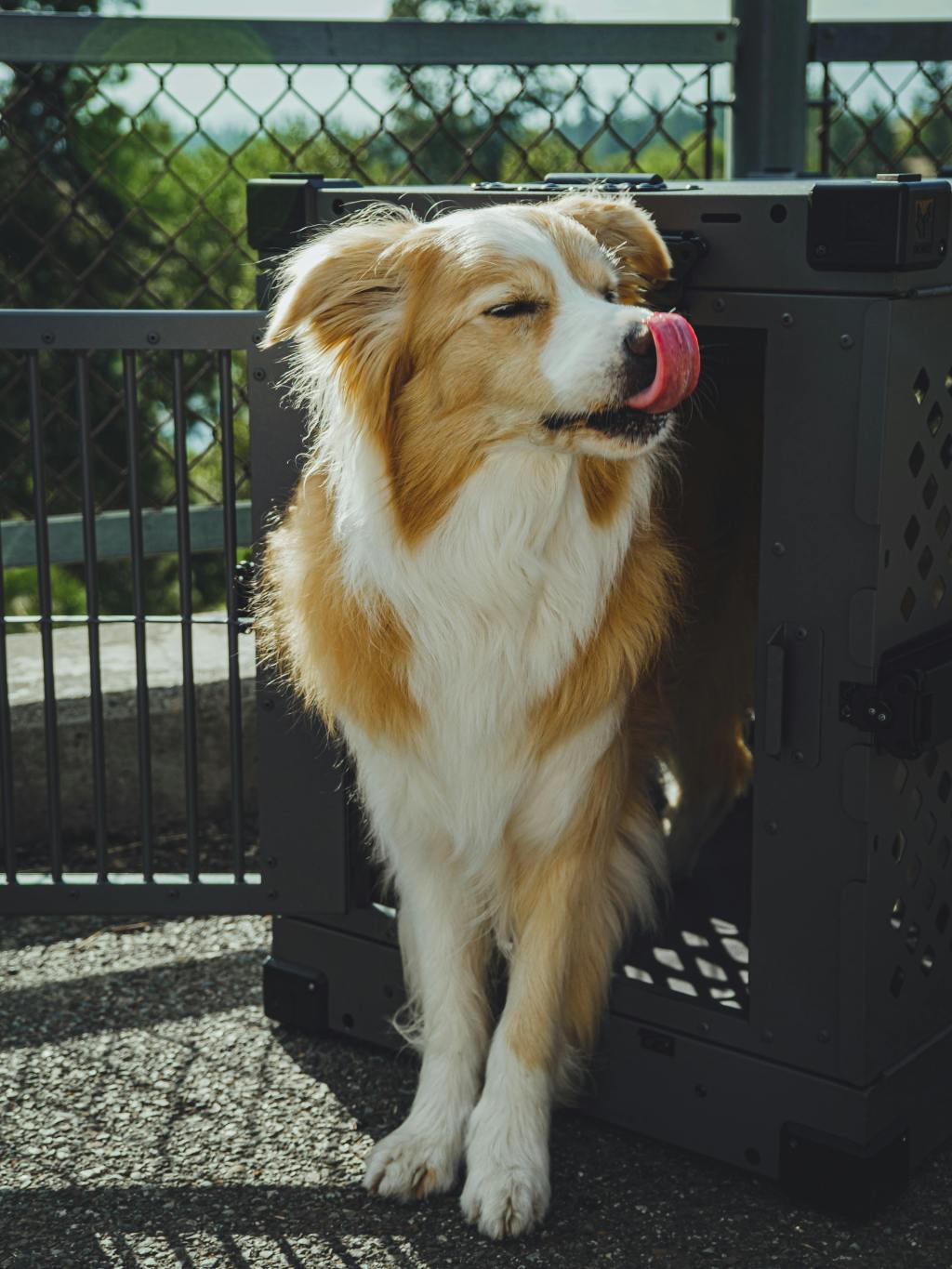
Dogs can be wonderful companions for children, teaching them responsibility, empathy, and friendship. However, when it comes to living with an anxious dog, it’s essential that kids learn how to respect the dog’s crate space. A crate serves as a safe haven for a dog dealing with anxiety—a place where they can decompress and feel secure.
Teaching children to respect the crate and the dog’s need for personal space is crucial for maintaining both the dog’s well-being and a harmonious household. In this guide, we’ll explore practical ways to help kids understand why the crate is important, how to approach it appropriately, and how to build positive interactions without disrupting the dog’s sense of security.
Why the Crate is Vital for Anxious Dogs
Anxious dogs can be easily overwhelmed by noise, sudden movements, or too much attention. A crate provides them with a dedicated safe zone where they can escape and self-soothe when feeling stressed.
Key Benefits of the Crate for Anxious Dogs:
- Provides a Retreat: Dogs can withdraw from stressful situations and regroup.
- Reduces Sensory Overload: Enclosed space helps block out visual and auditory distractions.
- Promotes Emotional Recovery: Allows dogs to relax and regain confidence after a stressful episode.
- Encourages Routine: Dogs feel secure when they know they have a consistent, reliable safe space.
According to the American Veterinary Medical Association (AVMA), a safe and secure environment is crucial for managing canine anxiety, particularly in multi-person households (source: AVMA).
Why Teaching Kids Crate Respect Matters
Children may naturally want to interact with the dog when they see them in the crate, but without understanding why the crate is off-limits, they may unintentionally cause stress. Teaching kids to respect crate boundaries helps prevent:
- Increased Anxiety: Disturbing a dog in their safe space can heighten stress levels.
- Defensive Reactions: Dogs may snap or growl if they feel threatened while in their crate.
- Broken Trust: Dogs may lose confidence in their crate if they feel unsafe inside.
Step 1: Educate Kids on the Importance of the Crate
The first step in fostering respect is helping kids understand why the crate is essential for the dog’s comfort and well-being.
How to Explain It to Kids:
- Use Simple Language: “The crate is like the dog’s bedroom where they can relax when they feel tired or nervous.”
- Relate to Personal Experience: “Just like you have your own room to calm down or rest, the crate is where the dog feels safe.”
- Emphasize Safety: “If the dog is in the crate, it means they need some quiet time to feel better.”
Involve Kids in Setting Up the Crate:
Letting children help arrange the bedding or place a favorite toy inside makes them feel responsible and encourages them to respect the space.
Step 2: Establish Crate Rules for Kids
Creating clear, consistent rules helps children understand what behavior is appropriate when the dog is in the crate.
Essential Crate Rules:
- No Touching or Bothering: The crate is a “no-touch” zone when the dog is inside.
- Quiet Voices Near the Crate: Loud noises can startle anxious dogs.
- No Peeking or Staring: Respect the dog’s need for privacy.
- Wait for the Dog to Come Out: Never pull or call the dog out of their crate.
Make Rules Visual:
Create a colorful poster with these rules and place it near the crate. Involve your kids in making the poster so they feel connected to the rules.
Step 3: Teach Positive Reinforcement and Praise
Encourage children to practice positive reinforcement when the dog calmly enters or stays in the crate. Praise the dog for using their safe space and praise the kids for respecting that space.
Rewarding Good Behavior:
- Give kids stickers or small rewards when they remember to leave the dog alone in the crate.
- Praise them when they quietly walk past without disturbing the dog.
Step 4: Practice Safe Interactions Outside the Crate
While the crate itself should remain a safe and undisturbed zone, it’s essential to teach kids how to interact positively with the dog when they are outside the crate.
Encourage Gentle Approaches:
- Teach kids to approach slowly and calmly when the dog is out.
- Practice hand-feeding treats as a way to build positive connections.
- Reinforce gentle petting and discourage rough play.
Step 5: Be a Role Model for Respectful Behavior
Children learn best by example. Demonstrate how to approach the crate calmly, how to use a soft voice around the dog, and how to give the dog space when needed.
Tips for Modeling Good Behavior:
- Always speak in a calm, soothing tone near the crate.
- Avoid crowding or blocking the crate door.
- Use phrases like, “Let’s give the dog some space,” to reinforce the concept.
Step 6: Use Stories and Role-Playing
Kids learn effectively through stories and role-playing games. Create scenarios where they pretend to be the dog needing space and how they would feel if someone disturbed them.
Story Example:
“Imagine if you were in your room feeling sad, and someone kept knocking or yelling at you. How would you feel? Dogs feel the same way when they’re in their crate and need some alone time.”
Step 7: Reinforce with Positive Experiences
When the dog voluntarily enters the crate, make it a positive moment. Encourage kids to praise the dog calmly or say something supportive like, “Good job finding your safe spot!”
Reward Respectful Behavior:
- Offer a small treat when your dog remains calm in the crate, and involve the kids by letting them hand out the treat when appropriate.
- Praise the children when they remember the crate rules without being reminded.
Common Mistakes to Avoid
1. Allowing Kids to Crowd the Crate
Even if they are curious or excited, crowding makes the dog feel trapped and stressed.
2. Using the Crate as Punishment
Never send your dog to the crate as a consequence of bad behavior. This will create a negative association and make the dog feel anxious about entering.
3. Ignoring Your Dog’s Signals
If your dog growls or shows signs of discomfort when approached near the crate, address the issue calmly and remove the child from the area.
Final Thoughts: Creating a Safe Space for All
Respecting the crate is not just about training the dog—it’s about educating the whole family. Kids who understand the importance of the crate learn valuable lessons about empathy, responsibility, and boundaries. By teaching children to see the crate as the dog’s special retreat, you help build a positive environment where your anxious dog can truly feel safe.For maximum comfort and security, consider using Impact Dog Crates. These crates are built to withstand stress and anxiety while providing a safe, calming space for your dog. When both kids and pets feel secure, your home becomes a happier and more harmonious place.
 Dog Anxiety Support
Leave a comment