
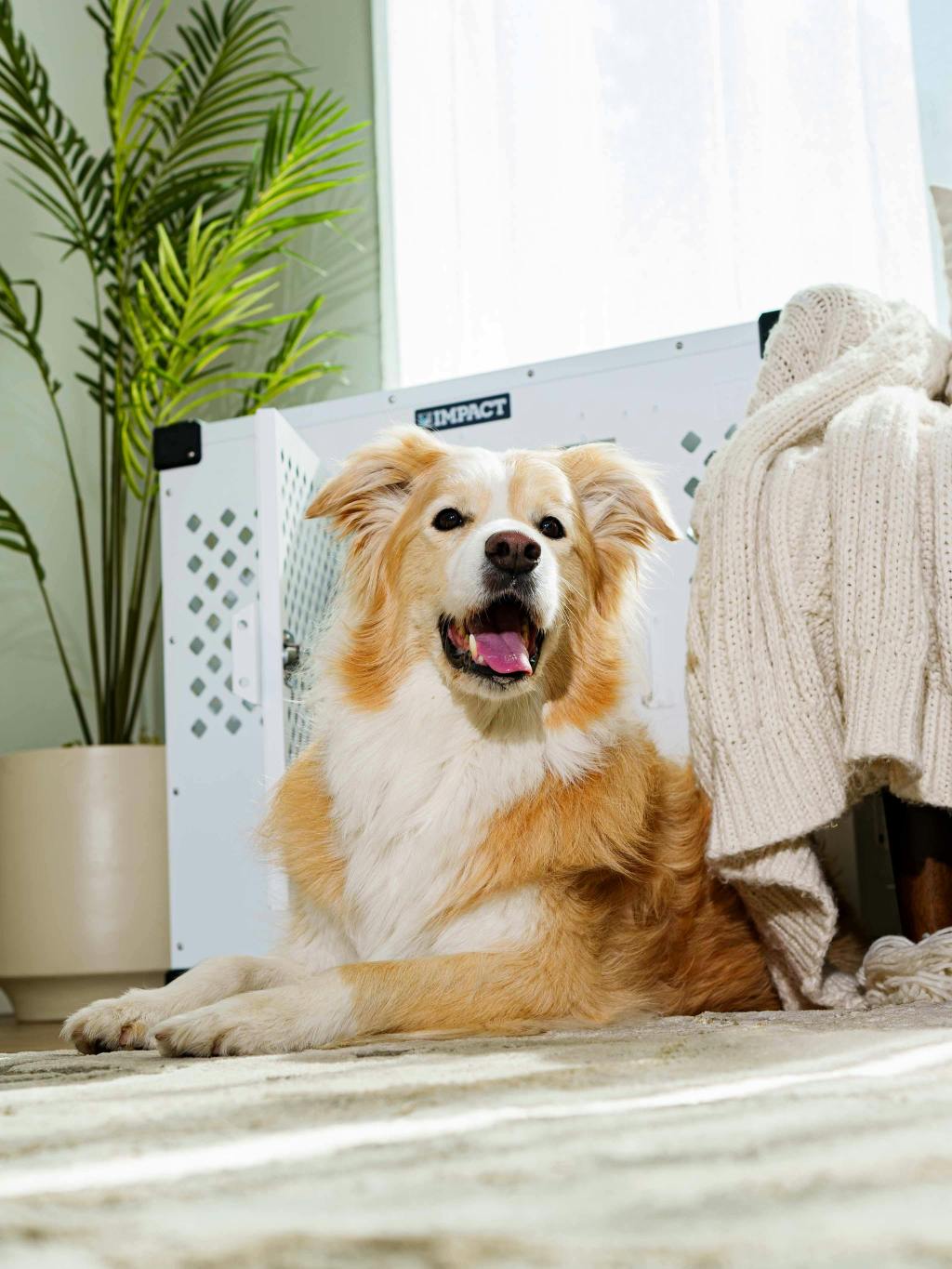
Taking a dog to the veterinarian can be a daunting experience—not just for the pet owner but especially for the dog. Vet visits often trigger fear and anxiety in dogs, whether due to unfamiliar environments, strange smells, or past negative experiences. Nervous dogs can display symptoms such as trembling, whining, excessive panting, and even aggressive behaviors when they feel threatened or overwhelmed.
One of the most effective ways to support a nervous dog during vet visits is by using an Impact Crate. These crates are specifically designed to provide a safe, secure, and calming environment, helping your dog feel protected even in stressful situations. In this article, we will explore how Impact Crates play a vital role in reducing anxiety during vet visits and how to prepare your dog for a calm, stress-free experience.
Why Are Vet Visits Stressful for Dogs?
Vet visits can be inherently stressful for many dogs due to a combination of factors, including:
- Unfamiliar Environments: New sights, sounds, and smells can be overwhelming.
- Previous Negative Experiences: Painful procedures or rough handling can create lasting anxiety.
- Handling by Strangers: Being touched or restrained by unfamiliar people triggers fear in some dogs.
- Separation from Owners: Being taken to the back without their owner can heighten stress.
According to the American Veterinary Medical Association (AVMA), anxiety during vet visits is one of the most common behavioral issues reported by dog owners. Creating a secure, predictable environment, such as using a well-designed crate, significantly reduces stress (source: AVMA).
The Role of Impact Crates in Reducing Vet Visit Anxiety
Impact Crates are designed with both durability and comfort in mind, making them an ideal choice for anxious dogs during vet visits. Here’s how they specifically support nervous dogs:
1. Provides a Safe and Familiar Space
Dogs naturally seek out enclosed, den-like areas when they feel threatened. An Impact Crate replicates this instinctual need by providing a sturdy, enclosed refuge where your dog feels secure. Bringing the crate to the vet means your dog can stay in their familiar space rather than being exposed directly to the waiting room chaos.
2. Reduces Sensory Overload
Veterinary clinics are often bustling with other animals, people, and loud noises. Impact Crates help minimize sensory overload by:
- Dampening Noise: The robust construction reduces rattling and outside noise.
- Providing Visual Barriers: A partially covered crate helps block out distractions and allows your dog to focus on their safe zone.
- Comfortable Interior: Soft bedding and familiar items inside the crate help maintain calmness.
3. Enhances Safety and Control
During vet visits, some dogs may become unpredictable due to heightened stress. Impact Crates keep them safely contained, reducing the risk of:
- Escape Attempts: The secure locking system prevents anxious dogs from breaking out.
- Aggressive Reactions: The enclosed space protects veterinary staff from sudden lunges or snaps.
4. Promotes Routine and Familiarity
Dogs thrive on routine, and consistent use of the crate at home makes it easier for them to adjust during vet visits. By keeping the crate part of their daily routine, your dog will associate it with safety and relaxation rather than fear.
How to Prepare Your Dog for Vet Visits Using an Impact Crate
The key to reducing anxiety lies in preparation and positive association. Follow these steps to make vet visits more manageable and less stressful:
Step 1: Make the Crate a Positive Space at Home
Before introducing the crate at the vet’s office, establish it as a comforting place at home.
- Use Treats and Praise: Encourage your dog to enter the crate voluntarily by using treats and calm reinforcement.
- Add Comfort Items: Place a favorite blanket or toy inside to create a cozy environment.
- Practice Short Trips: Start by taking short car rides with your dog inside the crate to get them accustomed to travel.
Step 2: Gradually Introduce Vet-Related Situations
Help your dog become familiar with the vet environment by:
- Crate Sessions Near the Vet: If possible, practice bringing the crate to the vet parking lot without going inside.
- Simulate Vet Visits: At home, practice handling and gentle restraint while your dog is in the crate.
- Familiar Scents: Use calming sprays or diffusers inside the crate to maintain a soothing atmosphere.
Step 3: Use the Crate During the Vet Visit
On the day of the appointment:
- Keep Your Dog Crated While Waiting: Instead of letting your dog roam or interact with other pets, keep them safely contained in the crate to minimize anxiety.
- Talk Softly and Stay Close: Your presence and calm demeanor will reassure your dog while they remain crated.
- Maintain Calm Energy: Dogs pick up on your stress, so staying relaxed and positive is crucial.
Supporting Crate Use with Calming Techniques
Using additional calming methods alongside crate training can make vet visits even smoother:
1. Play Calming Music
Research by the National Institutes of Health (NIH) indicates that playing calming music significantly reduces stress in dogs during medical procedures (source: NIH). Soft classical music or specific dog relaxation tracks can mask disruptive noises and promote relaxation.
2. Use Calming Pheromones
Sprays or diffusers that mimic natural dog pheromones can create a sense of familiar comfort, helping your dog feel more at ease.
3. Practice Deep Breathing and Soothing Talk
Speak to your dog in a gentle, soothing voice while maintaining slow, deep breathing. Your calmness directly influences your dog’s anxiety levels.
Benefits of Consistent Crate Use for Vet Visits
Integrating crate use into everyday life—not just during vet trips—helps your dog develop a positive association with the crate. This routine builds resilience and reduces stress when unfamiliar situations arise. Dogs that regularly use crates at home are more likely to feel secure when crated at the vet.
Common Mistakes to Avoid
- Forcing the Crate Experience: Never push or drag your dog inside; let them enter willingly.
- Skipping Familiar Items: Forgetting a favorite blanket or toy can increase stress.
- Making a Big Fuss: Overreacting or showing excessive concern can amplify your dog’s anxiety.
The Impact of a Well-Structured Routine
Building a routine where crate use is a normal and positive part of daily life sets the stage for successful vet visits. Regular, calm crate sessions at home help your dog develop confidence and trust, making it easier to transition to the veterinary environment.
Investing in a quality crate like Impact Dog Crates provides the necessary durability, comfort, and security to help your dog feel safe and protected. These crates are designed with noise reduction and secure locking features to ensure your dog remains calm, even in stressful situations.By incorporating consistent crate training and positive reinforcement, you give your dog the best chance of managing anxiety during vet visits, making the experience smoother and more comfortable for both you and your furry friend.
 Dog Anxiety Support
Leave a comment