
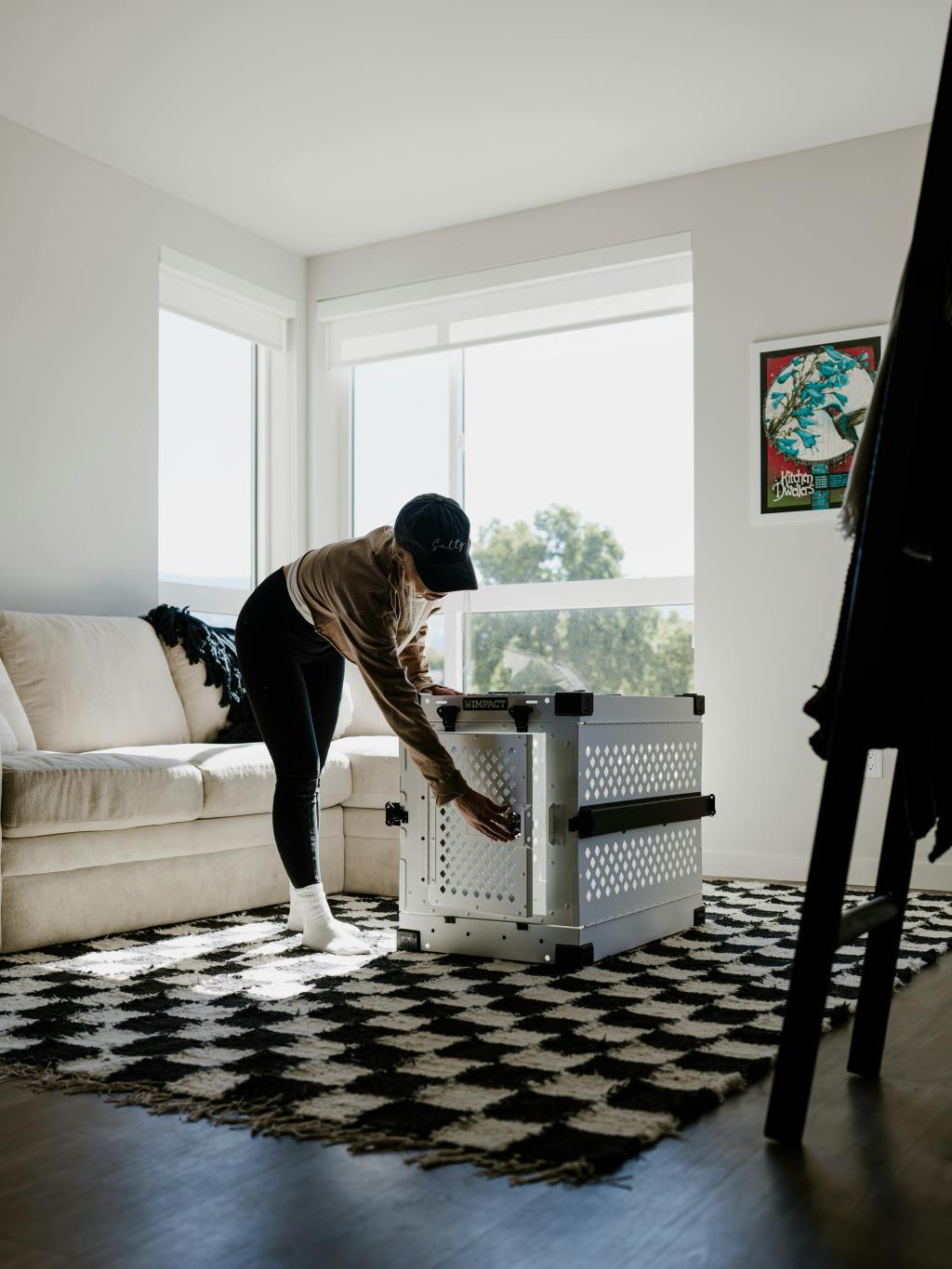
Anxiety in dogs can manifest in many ways—excessive barking, destructive chewing, restlessness, or even trembling and whining. Whether it’s triggered by separation, loud noises, or unfamiliar situations, anxiety can significantly affect a dog’s well-being and their ability to relax. One of the most effective and supportive strategies to help anxious dogs find calm is incorporating crate time into their daily routine.
Crate time doesn’t just serve as containment—it becomes a mental and emotional reset that allows your dog to decompress, find comfort, and regain a sense of security. In this guide, we’ll explore why crate time is beneficial for anxious dogs and how to make the experience positive and restorative.
Why Crate Time is Essential for Anxious Dogs
Dogs are naturally den animals, and their instinct to seek enclosed, safe spaces is deeply rooted. A crate replicates that den-like environment where they feel shielded from external stressors. Providing structured crate time helps your dog achieve a healthy reset by giving them a place to unwind and regroup.
Key Benefits of Crate Time for Anxious Dogs:
- Creates a Safe Haven:
A crate offers a sanctuary from chaos, where your dog feels secure and protected. It minimizes exposure to stressors like loud noises, bustling activity, or unfamiliar visitors. - Reduces Sensory Overload:
Anxious dogs can become easily overwhelmed by sights, sounds, and movement. Crate time helps limit sensory input, allowing them to calm their racing thoughts. - Promotes Emotional Stability:
Regular crate time as part of a routine helps anxious dogs predict what’s coming next, reducing the sense of uncertainty that often triggers stress. - Supports Independence:
Teaching your dog to feel safe and comfortable being alone in their crate helps build confidence and independence, reducing clinginess and separation anxiety. - Facilitates Rest and Recovery:
Crate time encourages restful sleep and relaxation, which are essential for emotional health and behavioral balance.
How to Introduce Crate Time to Anxious Dogs
Creating a positive crate experience from the start is crucial to building trust and making it a beneficial practice for your dog’s emotional health.
1. Choose the Right Crate
A high-quality crate is essential to making your dog feel safe and comfortable. Look for features like:
- Sturdy Construction: To withstand anxiety-driven movements.
- Noise Reduction: Reduces rattling that could increase stress.
- Proper Ventilation: Ensures airflow without feeling too exposed.
- Comfortable Padding: Soft, supportive bedding to encourage relaxation.
2. Start with Positive Associations
Never force your dog into the crate. Instead, make it an inviting and rewarding space right from the beginning.
Steps for Positive Crate Introduction:
- Open Door Policy: Leave the crate door open so your dog can explore freely.
- Use Treats and Toys: Place their favorite chew toy or a treat inside to create positive associations.
- Praise and Reward: Celebrate any voluntary approach to the crate with treats and calming praise.
- Feed Meals Inside: Serving meals in the crate builds a positive connection and routine.
3. Gradually Increase Crate Time
Start with short intervals to build comfort and confidence. Avoid long periods right away, as this can overwhelm your dog.
Gradual Crate Training Routine:
- Day 1-3: Allow your dog to enter and exit freely with treats inside.
- Day 4-7: Close the door briefly while offering a treat, gradually increasing the duration.
- Week 2: Practice leaving the room while your dog remains calm in the crate.
4. Make the Crate a Calming Space
Enhance the crate environment with comforting elements to make it more inviting and soothing.
Tips for Creating a Calming Crate Environment:
- Soft Bedding: Use thick, washable mats or orthopedic padding.
- Familiar Scents: Include a blanket or shirt that smells like you for reassurance.
- Calming Music: Studies from the National Institutes of Health (NIH) show that classical music or white noise can significantly reduce stress in dogs (source: NIH).
- Cover the Crate: Use a breathable cover to create a den-like feel while blocking out visual distractions.
When to Use Crate Time for a Healthy Reset
Knowing when to implement crate time is crucial for maximizing its benefits without causing stress or frustration.
1. After Stressful Events
If your dog has encountered something overwhelming—like a loud thunderstorm or a chaotic gathering—encourage them to decompress in their crate.
2. During Your Absence
Using the crate while you’re out not only keeps your dog safe but also provides a consistent routine, helping reduce separation anxiety.
3. Daily Rest Periods
Incorporating crate time into your daily routine helps your dog recognize it as a regular part of their schedule, not just a reaction to stress.
Supporting Crate Time with Calming Techniques
Combining crate time with additional calming practices can enhance the positive effects, making it more soothing and restorative.
1. Use Calming Sprays or Diffusers
Pheromone-based products create a reassuring environment by mimicking natural calming signals.
2. Offer Long-Lasting Chews
Chewing naturally reduces stress and provides mental stimulation. Opt for durable, safe chews that keep your dog occupied.
3. Maintain a Calm Demeanor
Your energy directly influences your dog’s mood. Use a gentle, soothing voice and remain calm when guiding your dog into the crate.
Common Mistakes to Avoid
While crate time is beneficial, improper use can increase anxiety rather than reduce it. Be mindful of the following:
1. Using the Crate as Punishment
Never associate the crate with negative experiences. Always maintain a positive and supportive atmosphere.
2. Forcing Entry
Dragging or pushing your dog inside will create resistance and fear. Let them enter on their own terms, using encouragement and treats.
3. Leaving for Long Periods Too Soon
Building tolerance takes time. Start with short sessions and gradually extend them as your dog becomes more comfortable.
The Long-Term Benefits of Crate Time for Anxious Dogs
When integrated correctly, crate time becomes a lifeline for anxious dogs, offering them a consistent space to reset emotionally. The structured approach teaches your dog that the crate is not just a place of containment but a safe retreat where they can find calmness amid chaos.
By investing in a high-quality crate, such as Impact Dog Crates, you ensure your dog has a durable and secure environment that withstands stress while providing comfort and tranquility. With consistent training and positive reinforcement, your dog will come to view crate time as a healthy and welcome part of their daily routine.Give your dog the gift of emotional balance and security with crate time, and watch as they become more confident, calm, and content in their surroundings.
 Dog Anxiety Support
Leave a comment