
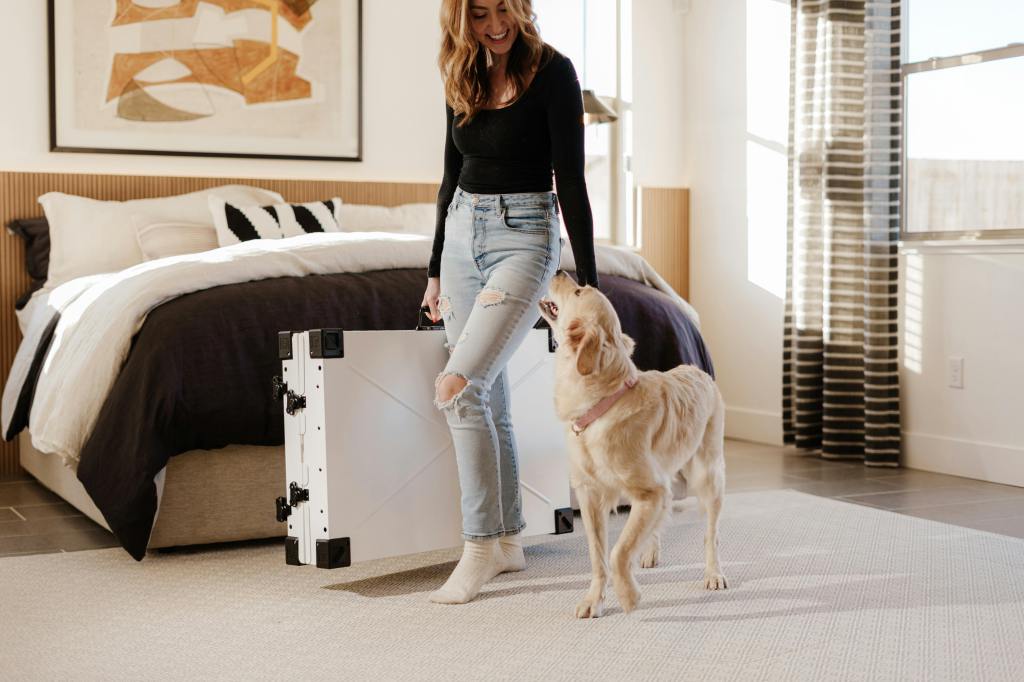
Adopting a rescue dog is a rewarding experience, but it often comes with challenges. Many rescue dogs have experienced trauma, neglect, or multiple rehomings, leaving them feeling anxious, insecure, or overwhelmed in new environments. One of the most effective ways to help a rescue dog adjust and feel safe is through crate training.
A crate is not just a containment tool—it’s a safe haven that provides security, comfort, and a sense of ownership. When used correctly, it can be a transformative tool in helping rescue dogs transition from fearful and uncertain to confident and comfortable. In this guide, we’ll explore how crate training can help rescue dogs feel at home and how to make the process positive and stress-free.
Why Rescue Dogs Need a Safe Space
Rescue dogs come from diverse backgrounds, but many share a common thread of uncertainty and fear. They may have been abandoned, abused, or simply neglected, leaving them with emotional scars and trust issues. Adjusting to a new home environment can be overwhelming, leading to behaviors like:
- Hiding or Cowering
- Excessive Barking or Whining
- Destructive Chewing
- Pacing or Restlessness
- House Soiling Due to Stress
According to the American Society for the Prevention of Cruelty to Animals (ASPCA), creating a safe, consistent environment is essential for helping rescue dogs feel secure (source: ASPCA). A crate offers that stability and becomes a sanctuary where they can decompress and gradually build trust.
The Benefits of Crate Training for Rescue Dogs
1. Provides a Safe Retreat
A crate serves as a personal refuge where your rescue dog can feel safe and protected. It becomes their own territory—one that they can control and retreat to whenever they feel overwhelmed.
2. Helps Build Routine and Consistency
Rescue dogs often come from chaotic or unstable environments. Establishing a crate routine helps them understand what to expect, reducing anxiety and promoting a sense of security.
3. Reduces Overstimulation
New homes can be full of unfamiliar sounds, smells, and people. A crate offers a quiet, enclosed space that limits sensory overload, allowing your dog to relax and regroup.
4. Supports Training and Socialization
Crate training encourages good behavior habits, like housebreaking and reduced chewing. It also teaches independence, helping your dog feel comfortable being alone without becoming anxious.
5. Builds Confidence and Independence
By gradually teaching your dog to be comfortable in the crate, you help them develop confidence in their own space. This independence reduces clinginess and promotes healthier social interactions.
How to Set Up a Crate Oasis for Your Rescue Dog
To ensure your dog feels truly comfortable, it’s important to make the crate feel like a welcoming sanctuary rather than a place of confinement.
1. Choose the Right Crate
Rescue dogs may feel vulnerable, so select a crate that provides both security and comfort.
Features to Look For:
- Sturdy Construction: Built to withstand anxiety-driven movements.
- Noise Reduction: Minimizes rattling sounds that can trigger stress.
- Proper Ventilation: Allows airflow without making the space feel too open.
- Comfortable Flooring: Soft, padded bedding to promote relaxation.
- Secure Locks: Prevents escape attempts while keeping your dog safe.
2. Create a Calming Atmosphere
Turning the crate into a cozy den helps your rescue dog feel secure and protected.
Tips for a Calm Crate Space:
- Soft Bedding: Use an orthopedic mat or plush pad to cushion joints.
- Familiar Scents: Add a blanket or shirt that carries your scent to make it more comforting.
- Low Lighting: Cover part of the crate with a breathable blanket to create a cave-like feel.
- Calming Aids: Use dog-safe calming sprays or diffusers to promote relaxation.
3. Introduce the Crate Gradually
Start slow and let your rescue dog approach the crate on their own terms.
Steps for Gentle Introduction:
- Leave the Door Open: Allow your dog to sniff and explore without pressure.
- Use Treats and Toys: Place treats or a favorite toy inside to encourage curiosity.
- Praise and Reward: Every time your dog enters or sniffs the crate, offer positive reinforcement.
- Feed Inside the Crate: Make mealtimes a pleasant crate experience to build positive associations.
4. Build a Positive Crate Routine
Creating consistency around crate time helps your rescue dog feel more secure.
Sample Routine:
- Morning: Short crate session after breakfast while you get ready.
- Midday: Calm crate time during household activities.
- Evening: Crate time after a walk and dinner to wind down.
- Bedtime: Make the crate a cozy sleep spot to establish nighttime routine.
5. Be Patient and Encouraging
Rescue dogs may take longer to adjust, so practice patience and empathy throughout the crate training process.
Tips for Encouraging Progress:
- Celebrate Small Wins: Even a few minutes of calm crate time is a success.
- Stay Positive: Use a soothing voice and gentle gestures.
- Never Force Entry: Let your dog choose to enter the crate voluntarily.
Supporting Emotional Health with Crate Training
Crate training should be part of a holistic approach to emotional well-being. Combine it with other anxiety-reducing practices to create a balanced, comforting environment.
1. Use Calming Music
According to a study by the National Institutes of Health (NIH), playing classical or slow-tempo music can significantly reduce stress in dogs, helping them feel more at ease (source: NIH).
2. Practice Gentle Bonding
Spend quality time near the crate, offering treats and calm praise. Your presence helps reinforce the idea that the crate is a safe and comforting place.
3. Keep a Consistent Schedule
Dogs thrive on routine. Keeping consistent feeding, walking, and crating times helps your dog feel more secure and less anxious.
Common Mistakes to Avoid
1. Using the Crate as Punishment
Never associate the crate with negative experiences. Your rescue dog should see it as a safe space, not a place of discipline.
2. Rushing the Process
Building trust takes time. Rushing crate training can create fear and resistance, undoing positive progress.
3. Leaving Your Dog Crated for Too Long
Extended crate time can feel like isolation. Make sure your dog gets plenty of breaks for exercise and interaction.
Long-Term Benefits of Crate Training for Rescue Dogs
By incorporating crate training into your rescue dog’s daily routine, you set the foundation for a calmer, more confident companion. A crate oasis becomes a sanctuary where your dog knows they can relax and feel secure, even when life around them gets hectic.
Your commitment to creating a welcoming crate space helps your rescue dog transition from a life of uncertainty to one of stability and comfort. With patience and positive reinforcement, you’ll witness remarkable progress as your dog learns to trust and thrive in their new home.To give your rescue dog the most durable and secure environment, consider investing in Impact Dog Crates. Built with high-quality materials and designed to reduce stress, these crates offer the ultimate safe haven for anxious and rescue dogs alike. Make your dog’s comfort and security a priority by choosing the best possible crate for their needs.
 Dog Anxiety Support
Leave a comment