
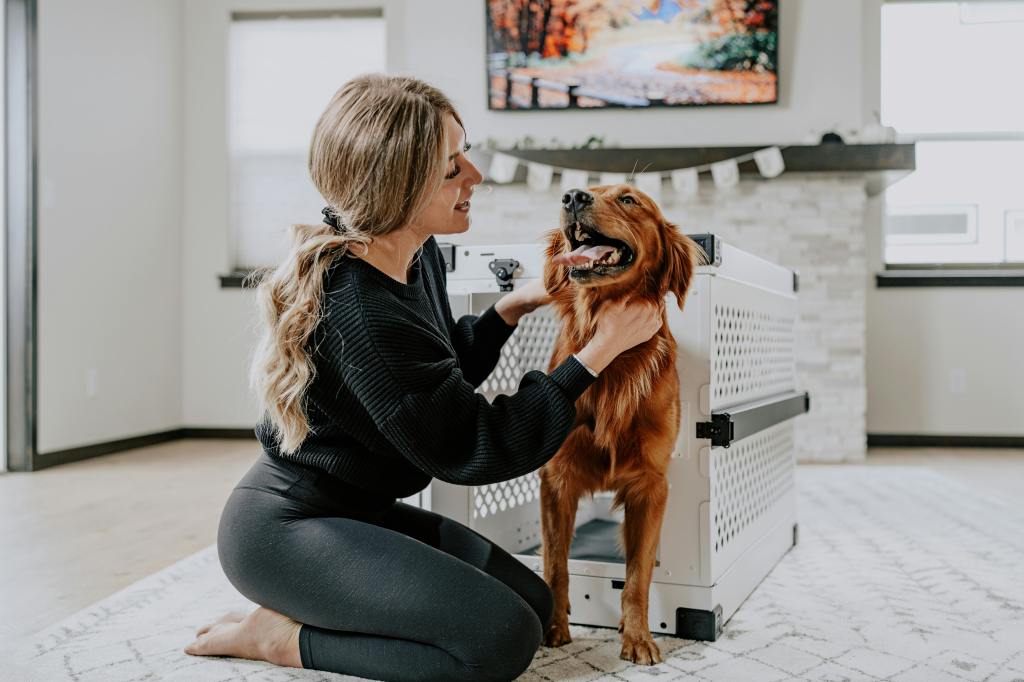
As dogs age, they may experience increased anxiety, often stemming from changes in their environment, loss of senses, or cognitive decline. Senior dogs can become more sensitive to noise, prone to separation anxiety, or even fearful of familiar places. It’s heartbreaking to watch a beloved companion struggle with stress, but there’s a practical and compassionate way to support them: crate use.
Contrary to popular belief, crates are not just for young dogs or house training. When used correctly, a crate can be an invaluable tool to help senior dogs feel safe, secure, and comfortable. In this guide, we’ll explore how to support your senior dog through crate use and why it can make a positive difference in their golden years.
Understanding Anxiety in Senior Dogs
Anxiety in older dogs can manifest in various ways, including:
- Restlessness or Pacing
- Increased Vocalization (whining or barking)
- Destructive Behaviors (chewing or digging)
- House Soiling or Accidents
- Trembling or Shaking
- Clinginess or Avoidance
According to the American Veterinary Medical Association (AVMA), anxiety in senior dogs is often related to age-related health issues, such as cognitive dysfunction syndrome (CDS), vision loss, or hearing decline (source: AVMA). The changes in their sensory perception and cognitive function can make them feel vulnerable and confused.
Crate use can provide an anchor of stability in your dog’s life, offering a familiar and secure place to retreat when they feel overwhelmed. Let’s dive into why crates are particularly beneficial for senior dogs and how to use them effectively.
Why Crate Use Benefits Senior Dogs with Anxiety
1. Creates a Safe and Predictable Environment
Senior dogs thrive on routine and familiarity. A crate acts as a constant, predictable space that doesn’t change regardless of other adjustments in the household. This stable environment helps reduce anxiety caused by new situations or changes in their routine.
2. Reduces Overstimulation
Older dogs can become easily overwhelmed by loud noises, busy environments, or the activity of younger pets. A crate provides a quiet, enclosed area where they can decompress without feeling exposed to excessive stimuli.
3. Supports Cognitive Health
Dogs with cognitive dysfunction may become disoriented or confused, leading to anxiety. A crate serves as a familiar territory where they can regain their sense of orientation and feel more grounded.
4. Offers Comfort During Physical Decline
As mobility decreases, some senior dogs may struggle to move around the house. A crate positioned close to their favorite spots or your living area ensures they can rest comfortably while still feeling connected to family life.
5. Eases Separation Anxiety
Senior dogs may develop separation anxiety as they become more dependent on their owners. Crate training can help them feel secure when left alone, minimizing stress and preventing destructive behavior.
How to Choose the Right Crate for Senior Dogs
Choosing the right crate is essential to ensure comfort and security. Here’s what to look for:
1. Sturdy and Durable Design
A robust crate ensures that your dog stays safe even if they move around or lean on the sides. Look for heavy-duty materials that withstand wear and tear.
2. Noise Reduction Features
Some crates rattle or clang when dogs move inside. Choose one with noise-dampening properties to keep the environment peaceful.
3. Low Entry Point
Senior dogs with joint issues need easy access. A crate with a low threshold or ramp makes it easier for them to enter and exit without strain.
4. Ventilation and Comfort
Ample airflow is crucial to maintaining a comfortable temperature. Crates with perforated panels or side ventilation help keep your dog cool and relaxed.
5. Soft, Padded Bedding
Older dogs are prone to arthritis and joint pain. Add a thick, orthopedic mat or cushion to provide maximum comfort and support.
How to Introduce Your Senior Dog to the Crate
The goal is to make the crate a welcoming and comforting space rather than a place of confinement. Follow these steps to introduce your senior dog to the crate gently:
Step 1: Make It Inviting
Place the crate in a quiet, familiar spot in your home, such as the living room or bedroom. Add a soft blanket or cushion and include a favorite toy or a piece of your clothing with your scent.
Step 2: Encourage Exploration
Leave the crate door open and allow your dog to explore at their own pace. Reward them with treats when they enter voluntarily.
Step 3: Build Positive Associations
Feed your dog inside the crate to create a positive connection. Praise them calmly when they enter and settle down.
Step 4: Gradually Extend Crate Time
Start with short sessions, leaving the door open, and gradually increase the time your dog spends inside. Avoid forcing or pushing your dog into the crate, as this can create negative associations.
Managing Anxiety with Calming Techniques
In addition to crate use, incorporate calming strategies to help your senior dog feel more relaxed:
1. Use Calming Sprays or Diffusers
Dog-safe calming sprays mimic natural soothing pheromones, helping to create a serene environment.
2. Play Calming Music
According to a study by the National Institutes of Health (NIH), playing classical music has been shown to reduce stress in dogs by promoting relaxation (source: NIH). Gentle, slow-tempo music can mask external noises and help your dog settle down.
3. Establish a Routine
Routine helps reduce anxiety by providing predictability. Incorporate crate time into your daily schedule so your dog knows what to expect.
Common Mistakes to Avoid
1. Using the Crate as Punishment
Never use the crate as a place for discipline. Doing so will make your dog fear it rather than feel safe inside.
2. Ignoring Comfort Needs
A bare, uncomfortable crate can worsen anxiety. Make sure it’s cushioned and cozy to support your senior dog’s aging joints.
3. Skipping Gradual Introduction
Jumping straight to long crate sessions can overwhelm your dog. Start with short, positive sessions and gradually increase the duration.
The Long-Term Benefits of Crate Use for Senior Dogs
With proper introduction and positive associations, crate use can significantly enhance your senior dog’s quality of life. A well-designed crate provides emotional security, promotes routine and stability, and serves as a safe space during stressful events like loud noises or unexpected visitors.
The combination of a comfortable setup and a consistent routine helps senior dogs manage their anxiety and remain calm even in challenging situations. The right crate, such as those from Impact Dog Crates, offers the durability and comfort needed to support older dogs while providing peace of mind for you.Investing in a high-quality crate ensures that your senior companion has a reliable sanctuary to retreat to whenever they need reassurance, giving both you and your dog greater confidence and comfort in their golden years.
 Dog Anxiety Support
Leave a comment