
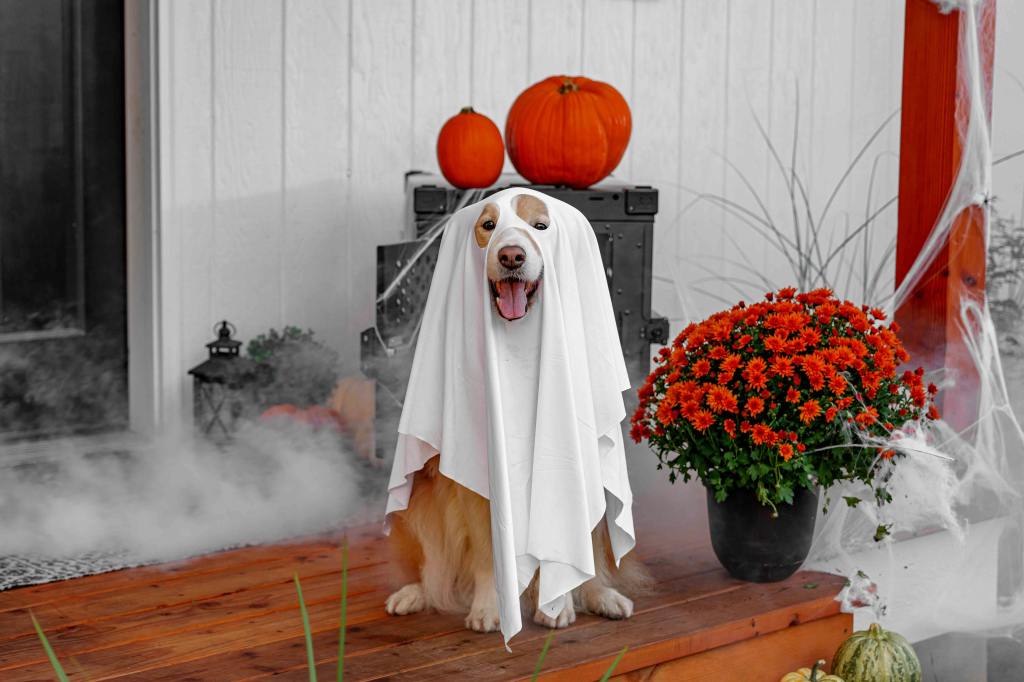
Dogs are known for their keen sense of hearing, but for some, that heightened sensitivity can become a significant problem. Noise sensitivity in dogs is a common issue that can cause intense fear, stress, and even panic. Whether it’s thunderstorms, fireworks, construction sounds, or everyday household noises, some dogs struggle to cope, leading to behavioral issues and anxiety.
One of the most effective ways to manage noise sensitivity is through safe crating practices. A crate can serve as a safe haven where your dog feels secure and protected from overwhelming sounds. In this guide, we will discuss how to use crating effectively to reduce noise sensitivity and help your dog stay calm during stressful situations.
Understanding Noise Sensitivity in Dogs
Noise sensitivity, often referred to as noise phobia, can manifest as trembling, barking, hiding, drooling, or attempting to escape. It is particularly common during thunderstorms and fireworks displays but can also be triggered by everyday noises like vacuum cleaners or sirens.
According to the American Kennel Club (AKC), dogs are much more sensitive to sounds than humans, perceiving frequencies ranging from 40 Hz to 60 kHz (source: American Kennel Club). This means that noises that might seem moderate or tolerable to us can be deafening and frightening for dogs.
Common Triggers:
- Thunderstorms
- Fireworks
- Construction Noise
- Household Appliances
- Sirens or Loud Vehicles
Noise sensitivity not only makes life uncomfortable for your dog but can also put them at risk if they react by trying to escape or harming themselves.
Why Safe Crating Works for Noise Sensitivity
Crates offer a controlled environment that reduces sensory overload. When a dog perceives a loud or unexpected sound, having a designated safe space to retreat to can make a significant difference in managing their fear and anxiety.
Benefits of Safe Crating for Noise Sensitivity:
- Provides a Sense of Security: A crate acts as a den-like space where your dog feels shielded from perceived threats.
- Noise Reduction: Quality crates with noise-dampening features help minimize external sounds.
- Routine and Predictability: A familiar crate routine helps reduce panic when noise-related stress arises.
- Prevents Harm: By containing your dog safely, you reduce the risk of injury from frantic attempts to escape or hide.
- Promotes Calm Behavior: Crate training with positive reinforcement encourages your dog to see the crate as a comforting place rather than a punishment.
How to Implement Safe Crating for Noise Sensitivity
Creating a safe and secure crate environment requires thoughtful preparation. Here’s how to make the most of crating when managing noise sensitivity.
1. Choose the Right Crate
Selecting the right crate is essential for managing noise sensitivity effectively. Look for crates that are:
- Durable and Secure: Prevents damage during panic episodes.
- Noise-Dampening: Reduces the intensity of loud sounds.
- Ventilated Yet Cozy: Allows airflow while maintaining a den-like feel.
- Comfortable and Inviting: Includes soft bedding and familiar items.
Recommended Crate: A high-quality crate like the Impact Dog Crate is ideal for anxious dogs due to its robust construction and noise-dampening features. It offers a sturdy, safe space that significantly reduces noise penetration.
2. Introduce the Crate Positively
Never force your dog into the crate, especially if they are already anxious. Introduce it gradually and make it a positive experience.
Positive Association Tips:
- Treats and Praise: Reward your dog for approaching and entering the crate voluntarily.
- Comfort Items: Use familiar blankets and a favorite toy to make the space more inviting.
- Feed Meals Inside: Feeding your dog in the crate helps build a positive connection.
- Short, Positive Sessions: Start with brief periods and gradually extend the time as your dog becomes more comfortable.
3. Soundproof the Crate Area
Creating a soundproof or noise-reduced environment around the crate helps your dog feel more secure during loud events.
Soundproofing Techniques:
- Cover the Crate: Use a crate cover or thick blanket to dampen sound. Make sure it is breathable and does not block airflow.
- Strategic Placement: Position the crate in a quiet, interior room away from windows or external noise sources.
- Soft Furnishings: Placing rugs, curtains, and cushions nearby can help absorb sound.
- Use White Noise: Play calming music or white noise to mask external sounds.
4. Calming Aids and Techniques
Sometimes, additional calming methods are necessary to complement crating.
Calming Strategies:
- Dog-Calming Sprays and Diffusers: Pheromone-based products can help reduce anxiety.
- Music Therapy: Studies suggest that classical music or specially designed dog relaxation tracks can have a soothing effect (source: National Institutes of Health).
- Weighted Blankets: Providing a sense of gentle pressure can help some dogs feel more secure.
5. Gradually Desensitize Your Dog to Noises
Noise desensitization is an effective technique to reduce sensitivity over time.
Step-by-Step Desensitization:
- Identify Problem Sounds: Determine which noises trigger anxiety.
- Controlled Exposure: Play recordings of the sounds at a low volume while your dog is relaxed.
- Positive Reinforcement: Reward your dog for remaining calm.
- Increase Volume Gradually: As your dog becomes comfortable, slowly increase the volume.
By pairing the sounds with positive experiences and maintaining a relaxed environment, your dog can learn that not all noises are threats.
Tips for Effective Crate Use During Noise Events
- Prepare in Advance: If you know a noisy event is coming (like fireworks), set up the crate well before the noise begins.
- Stay Calm Yourself: Dogs pick up on your emotions. Remaining calm helps them feel secure.
- Don’t Force Crate Time: If your dog doesn’t want to enter the crate, don’t force them. Offer the option and encourage it with rewards.
- Maintain Routine: Keep the crate routine consistent to build familiarity and comfort.
The Long-Term Benefits of Safe Crating for Noise Sensitivity
When used properly, crating becomes a powerful tool in helping noise-sensitive dogs find relief. Over time, your dog will come to associate the crate with safety and relaxation rather than confinement. This positive relationship with the crate reduces stress during noisy events and provides a reliable coping mechanism.By investing in a durable, well-constructed crate like Impact Dog Crates, you give your dog the best chance of managing noise sensitivity safely and comfortably. The combination of thoughtful crate use and supportive calming techniques makes a world of difference in your dog’s quality of life.
 Dog Anxiety Support
Leave a comment