
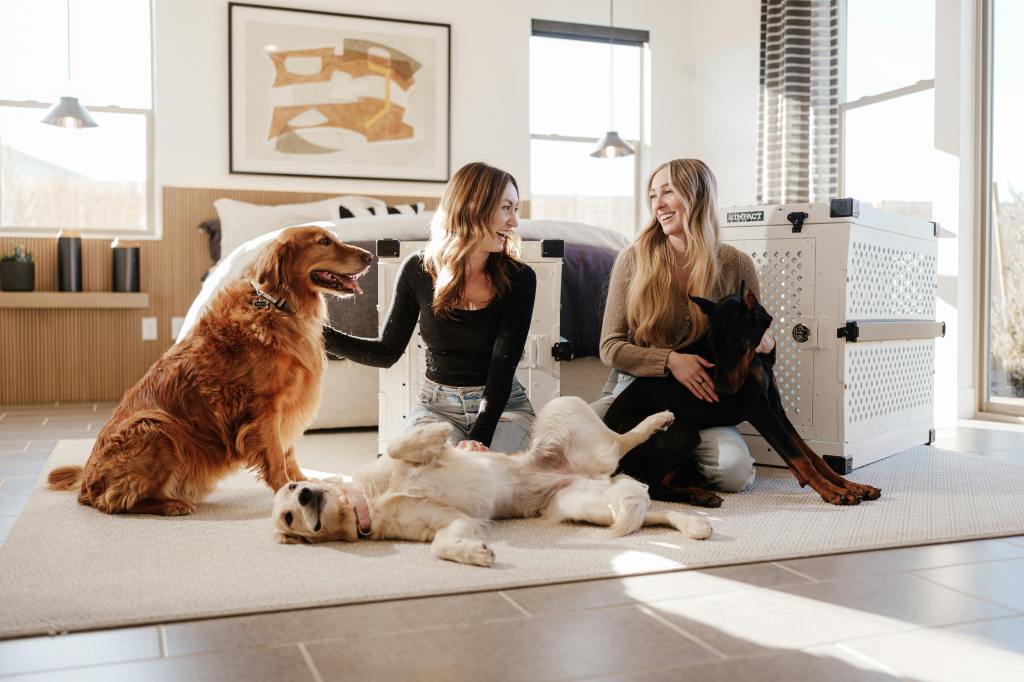
Anxiety in dogs can be challenging to manage, but with the right approach, it is possible to help your dog feel more secure and confident. One of the most effective methods to combat canine anxiety is crate training. However, it’s not just about training your dog to use the crate—it’s about maintaining consistent crating habits to prevent anxiety relapse.
When crate training is done correctly and maintained consistently, the crate becomes more than just a containment tool—it becomes a safe haven where your dog feels protected, calm, and comfortable. In this guide, we’ll explore how consistent crating habits play a vital role in preventing anxiety relapse and promoting long-term emotional well-being.
Why Consistency Matters in Crating
Dogs are creatures of habit and thrive on routine. Inconsistent crate use can lead to confusion and even worsen anxiety. Maintaining consistent crating habits helps reinforce positive associations, making the crate a reliable place of comfort rather than a source of stress.
The Benefits of Consistent Crating:
- Reinforces Routine:
Routine helps dogs predict what’s coming next, reducing the uncertainty that often triggers anxiety. - Strengthens Positive Associations:
Regular use of the crate as a calm and safe space helps your dog develop a positive connection with it, even when faced with stressors. - Prevents Anxiety Relapse:
Sudden changes or lapses in crate routine can lead to anxiety relapse, causing your dog to revert to old habits like destructive chewing or excessive barking. - Supports Independence:
Dogs with consistent crating habits learn to feel secure when alone, reducing separation anxiety. - Enhances Emotional Stability:
By having a designated space to decompress, your dog can self-regulate stress more effectively.
The Role of Routine in Preventing Relapse
Consistency doesn’t just mean using the crate daily—it means using it in a way that promotes positive associations and emotional balance. Dogs thrive when they know what to expect, and routine builds confidence in their environment.
1. Morning Routine: Start the Day Right
- Walk and Exercise: Start with a morning walk to burn off energy.
- Crate Time After Activity: Guide your dog to the crate after exercise, pairing it with a meal or a chew toy.
- Short, Calm Sessions: Allow your dog to rest and unwind inside the crate as you go about your morning routine.
2. Midday Routine: Encourage Restful Breaks
- Quiet Crate Time: Use crate time during household activities to help your dog feel secure and relaxed amid daytime noise.
- Mental Stimulation: Offer a puzzle toy or treat dispenser to keep your dog engaged and content.
3. Evening Routine: Wind Down Together
- Pre-Bedtime Routine: After an evening walk and some light play, encourage your dog to settle in the crate.
- Create a Calm Environment: Dim the lights and play soft, calming music.
- Bedtime Crate Use: Make the crate the designated sleeping area, reinforcing that it’s a cozy, restful place.
Crate Setup Tips for Consistent Use
To maintain consistent crating habits, your dog’s crate should feel inviting and secure. A poorly designed or uncomfortable crate can disrupt progress and even cause anxiety relapse.
1. Choose the Right Crate
Look for crates that offer:
- Sturdy Construction: To withstand anxious movements.
- Noise Reduction: Minimize rattling sounds that can trigger stress.
- Ample Ventilation: Allow airflow while maintaining a den-like atmosphere.
- Comfortable Interior: Soft, supportive bedding to cushion your dog’s joints.
2. Create a Calming Atmosphere
- Soft Bedding: Use orthopedic pads or plush blankets to provide comfort.
- Familiar Scents: Include a piece of your clothing or a blanket that smells like you.
- Calming Aids: Use pheromone diffusers or calming sprays to enhance relaxation.
3. Use Crate Covers Thoughtfully
Covering the crate can create a den-like feel, but ensure it’s breathable and doesn’t trap heat. The cover helps reduce visual stimulation, promoting calmness.
Maintaining Long-Term Crate Routine
1. Don’t Skip Crate Time on Good Days
One of the most common mistakes is to skip crate time when your dog seems calm and well-adjusted. Regular use keeps positive associations intact and prevents regression.
2. Practice Even When You’re Home
If your dog only uses the crate when left alone, they may associate it solely with your absence, increasing stress. Use the crate during relaxed family time too.
3. Reinforce Positive Behavior
Reward your dog for entering the crate voluntarily or remaining calm inside. Praise and treats help solidify the idea that the crate is a positive space.
Why Lapses in Crate Routine Lead to Relapse
Breaking the routine, especially after significant progress, can result in anxiety relapse. When the crate is no longer part of the daily schedule, your dog may lose confidence in it as a safe space. This can lead to renewed stress, particularly during unexpected situations like:
- Travel or Relocation: Without consistent crating, your dog may struggle to adapt to new environments.
- Loud Events or Storms: The lack of a familiar retreat during stressful moments can trigger panic.
- Changes in Household Routine: Disruptions can make your dog feel insecure if the crate routine is not maintained.
Research Insight
A study conducted by the National Institutes of Health (NIH) emphasizes the importance of consistency in routine to manage anxiety effectively. Regular patterns reduce stress and help dogs build resilience in the face of change (source: NIH).
Calm During Chaos: Using the Crate During Stressful Events
When life gets hectic—like during holidays, thunderstorms, or unexpected guests—your dog’s crate can be a lifeline. Maintain the routine even in unusual circumstances to help your dog feel secure amid chaos.
1. Prepare the Crate Ahead of Time
Have calming aids, soft bedding, and comforting items in place before the stressful event begins.
2. Practice Calm Entry
Guide your dog into the crate using gentle encouragement and treats. Never force entry or shut the door abruptly.
3. Maintain a Relaxed Demeanor
Your dog senses your mood. Stay calm and use a soft voice to reassure them while they settle in.
Common Mistakes to Avoid
1. Using the Crate Only During Stressful Times
This practice makes the crate synonymous with anxiety. Incorporate crate time daily, not just when chaos arises.
2. Breaking Routine Too Soon
Even if your dog appears well-adjusted, maintain crate time to reinforce stability and confidence.
3. Ignoring Your Dog’s Comfort
Uncomfortable bedding or a noisy crate can make your dog reluctant to use it, leading to anxiety relapse.
Final Thoughts: The Power of Consistency
Preventing anxiety relapse in dogs hinges on maintaining consistent crating habits. The key is not just to use the crate when anxiety spikes but to make it a regular, positive part of your dog’s daily life. By doing so, you build a foundation of trust and security that lasts long-term.Investing in a quality crate like Impact Dog Crates ensures that your dog’s sanctuary remains durable, comfortable, and effective at providing a calming environment. Prioritizing consistent crate use will help your dog develop emotional resilience, reducing the risk of anxiety relapse and supporting their overall well-being.
 Dog Anxiety Support
Leave a comment