
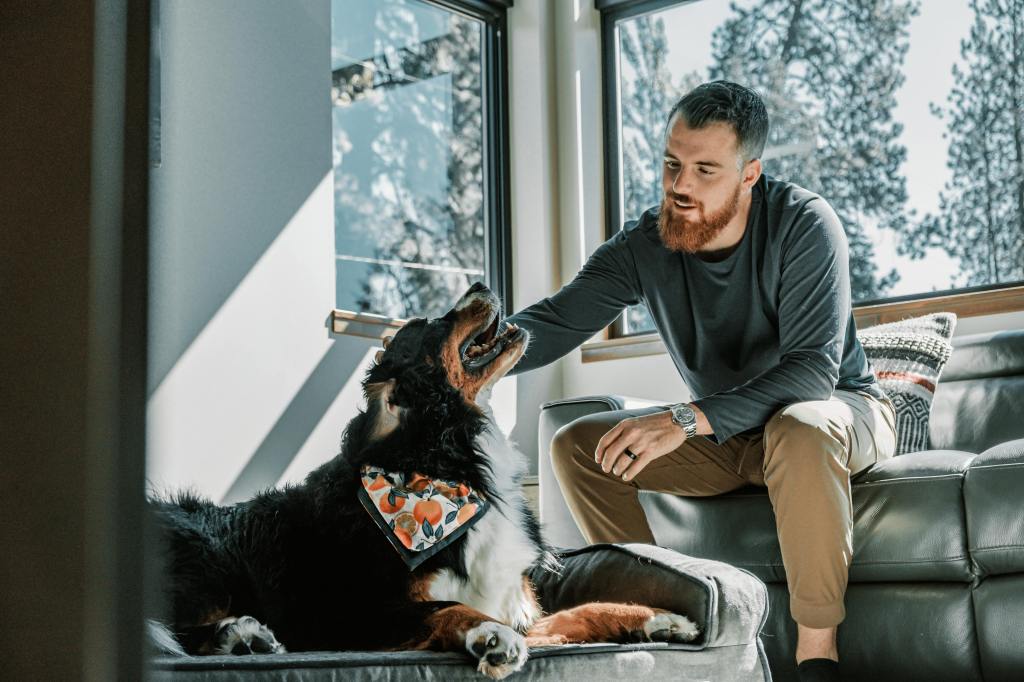
Adjusting to new environments can be overwhelming for dogs. Whether it’s moving to a new home, traveling, or staying at a friend’s house, unfamiliar settings can trigger anxiety and stress. One of the most effective ways to help your dog feel secure during these transitions is by using a crate.
When used correctly, a crate becomes more than just a containment tool—it becomes a safe, familiar space that provides comfort and security in new environments. In this guide, we’ll explore how crates can help dogs adjust to new surroundings, why they work so well, and how to make the transition smooth and stress-free.
Why Crates Are Essential for Transitioning to New Environments
Dogs are creatures of habit. They thrive on consistency and familiarity, so changes in their environment can be unsettling. A crate provides a consistent, reliable space where your dog can retreat when they feel overwhelmed.
Benefits of Crates for Adjusting to New Environments
- Provides a Familiar Refuge
Bringing your dog’s crate to a new place offers them a piece of home wherever they go. The familiar scent and structure of the crate help reduce stress and give them a sense of security. - Reduces Overstimulation
New environments are filled with unfamiliar sights, sounds, and smells. A crate serves as a buffer from sensory overload, helping your dog feel more grounded. - Promotes Routine and Stability
Maintaining a routine is crucial when introducing your dog to a new environment. Crating at consistent times helps establish a sense of normalcy, even in unfamiliar settings. - Prevents Destructive Behavior
Dogs that feel anxious or overwhelmed might chew furniture, scratch doors, or have accidents. A crate minimizes the risk of destructive behavior while giving your dog a safe place to decompress. - Supports Travel Safety
Whether moving across town or taking a long road trip, a crate keeps your dog secure during transit. It reduces the risk of injury and offers a calm, consistent space throughout the journey.
How to Use Crates for Transitioning to New Environments
Successfully using a crate to help your dog adjust requires preparation and a thoughtful approach. Here’s how to make the transition as smooth as possible:
1. Start at Home First
If your dog isn’t already crate trained, start the process before introducing a new environment. Get them used to spending time in the crate with the door open, using treats and praise to encourage positive associations.
Steps to Introduce the Crate:
- Place the crate in a familiar, quiet area.
- Add bedding and a favorite toy to make it inviting.
- Reward voluntary entry with treats and gentle praise.
- Gradually increase the time spent inside while maintaining a calm atmosphere.
2. Bring Familiar Items Inside the Crate
Dogs feel more secure when surrounded by familiar scents and objects. Add bedding, blankets, and toys from home to create a comforting environment inside the crate.
Comfort Items to Include:
- Favorite Blanket: Retains the scent of home.
- Stuffed Toy or Chew Toy: Keeps them occupied and reassured.
- Calming Spray: Use dog-safe calming sprays to create a soothing atmosphere.
3. Position the Crate Strategically
When arriving at a new environment, choose a quiet and low-traffic area to place the crate. Avoid spots that are too isolated or too crowded. Your dog should feel connected to the household without being overwhelmed.
Ideal Placement Tips:
- Near Social Spaces: Allows your dog to feel included while staying secure.
- Away from Direct Noise: Reduces stress from loud sounds or busy areas.
- Consistent Location: Try to place the crate in a similar spot to where it was at home.
4. Gradually Acclimate Your Dog to the New Setting
Don’t rush the process of adjusting to the new environment. Start by allowing your dog to explore while keeping the crate door open. Let them retreat to the crate as needed, reinforcing that it’s a safe space.
Acclimation Steps:
- Short Crate Sessions: Begin with short periods in the crate to build comfort.
- Reward Calm Behavior: Always praise and treat your dog for entering and staying calm.
- Practice Consistency: Crate at the same times you did before the move or trip.
5. Practice Crate Time During Transitions
Whether moving homes or traveling, maintain crate time as a consistent part of your routine. This stability helps your dog feel secure regardless of the setting.
Travel Tips:
- Secure the Crate in Your Vehicle: Keep the crate stable to prevent tipping.
- Cover Part of the Crate: A light blanket can reduce visual stimulation without compromising ventilation.
- Provide Calming Chews or Toys: Keep your dog occupied during travel.
Success Story: How Crating Helped Rex Adjust to a New Home
Rex, a four-year-old Labrador mix, had always been anxious during moves. When his owners relocated to a new city, they decided to focus on crate training to help Rex feel secure. They prepared his Impact Dog Crate with familiar bedding and toys, positioning it in the quietest corner of their new living room.
By consistently using the crate throughout the moving process, Rex quickly adapted to his new surroundings. Instead of pacing or whining, he calmly settled in his crate whenever the moving chaos became overwhelming. Maintaining crate time as part of his daily routine made all the difference in helping him feel at home, even in a new place.
Why Choosing the Right Crate Matters
Not all crates are suitable for stress-prone or anxious dogs. The quality of the crate significantly affects how your dog perceives it—whether it’s a comforting refuge or a stressful enclosure.
What to Look for in a Crate:
- Durable Construction: To withstand anxious scratching or chewing.
- Noise Dampening: Reduces the stress caused by rattling sounds.
- Secure Locks: Prevents escape attempts.
- Ventilation Without Overexposure: Ensures airflow while maintaining a den-like feel.
Investing in a high-quality crate like Impact Dog Crates ensures that your dog has a safe, secure, and comfortable space to retreat to during any transition.
Additional Tips for Reducing Stress in New Environments
1. Maintain Familiar Routines
Stick to your dog’s usual feeding, walking, and crate schedules as much as possible. Familiar routines create predictability, which helps reduce anxiety.
2. Use Calming Aids
Consider natural remedies like calming sprays, diffusers, or anxiety wraps. These products can significantly enhance your dog’s sense of security, especially during the first few days in a new environment.
3. Monitor Your Dog’s Behavior
Observe how your dog responds to the new environment. If they seem particularly stressed, offer extra comfort and avoid pushing them to explore too quickly.
Final Thoughts: Making Transitions Stress-Free
Helping your dog adjust to new environments doesn’t have to be a daunting task. By using a reliable and well-constructed crate, you give your dog a consistent, safe space that makes transitions smoother and less stressful.Make the smart choice to invest in Impact Dog Crates for a durable, secure, and calming environment that supports your dog’s emotional well-being during life’s changes.
 Dog Anxiety Support
Leave a comment