
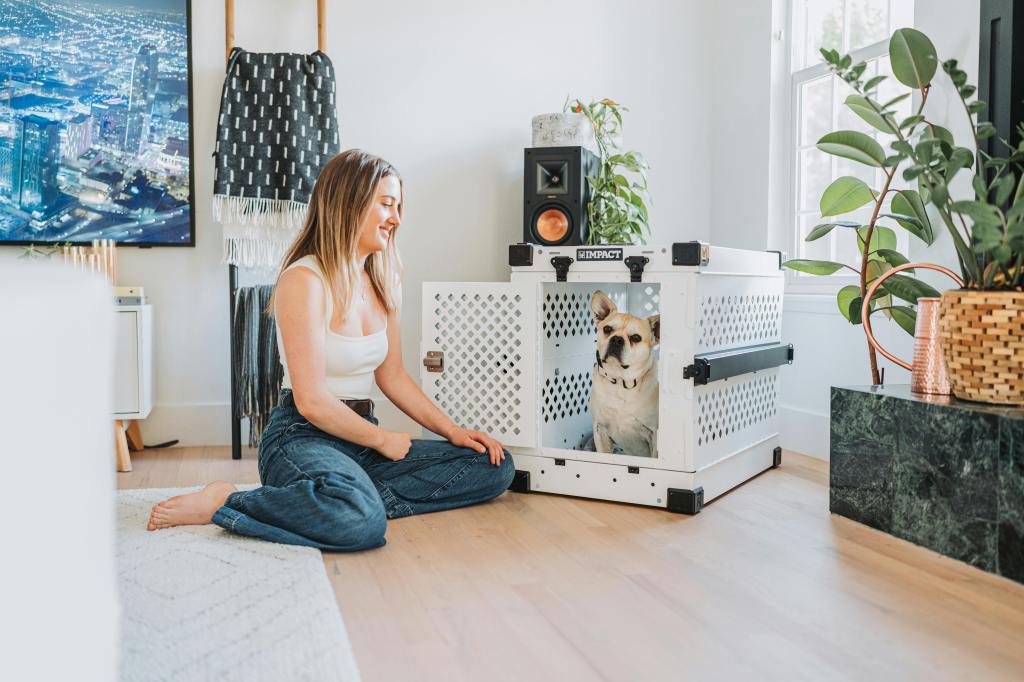
Generalized anxiety in dogs can be overwhelming—for both the dog and the owner. Unlike specific phobias or situational anxiety, generalized anxiety is persistent and pervasive, affecting your dog’s everyday life. From excessive barking to destructive chewing and relentless pacing, these behaviors are often a sign that your dog is struggling to feel secure.
Creating a safe and supportive environment at home is essential to helping your dog manage anxiety. In this guide, we’ll explore practical strategies to make your home feel like a sanctuary for your anxious dog. By establishing consistent routines and using the right tools—like crate training—you can help your dog feel more secure and relaxed.
Understanding Generalized Anxiety in Dogs
Dogs with generalized anxiety often display symptoms even when there’s no apparent trigger. These dogs may appear constantly on edge or restless, reacting to small changes or everyday noises. Some common signs include:
- Excessive Barking or Whining: Vocalizations that seem nonstop or triggered by minor disturbances.
- Restlessness and Pacing: Inability to settle down or find a comfortable spot.
- Destructive Behavior: Chewing, digging, or scratching, often aimed at doors, windows, or furniture.
- Panting and Drooling: Signs of stress even in cool, calm environments.
- Avoidance or Hiding: Seeking refuge in corners, under furniture, or in closets.
- Hypervigilance: Always seeming alert or on guard, even in familiar surroundings.
Understanding these behaviors is the first step toward helping your dog feel secure. Let’s explore practical ways to reduce anxiety and create a calm environment at home.
1. Establish a Calming Routine
Routine and consistency are essential for dogs with generalized anxiety. A predictable daily routine helps reduce uncertainty and builds a sense of stability.
Morning Routine
- Start the day with a calm walk to burn off excess energy.
- Feed breakfast at the same time each day to establish consistency.
- Spend a few minutes engaging in low-energy bonding activities, like gentle petting or grooming.
Afternoon Routine
- Incorporate mental stimulation through puzzle toys or scent games.
- Offer a safe, quiet space for midday relaxation, such as a crate or a soft bed in a low-traffic area.
- Keep interactions calm and soothing to prevent overstimulation.
Evening Routine
- Wind down with a relaxed walk or light play session.
- Serve dinner and then allow some quiet time to help your dog settle.
- Introduce calming activities, such as gentle brushing or massage, to help ease stress before bedtime.
2. Create a Designated Safe Space
One of the most effective ways to make your dog feel secure at home is by providing a dedicated safe space. This area should be comfortable, quiet, and specifically designated for relaxation.
Why a Safe Space Matters
Dogs with generalized anxiety need a place where they can retreat when they feel overwhelmed. A safe space provides consistency and comfort, reducing the urge to pace or engage in destructive behaviors.
What Makes a Good Safe Space
- Calm Environment: Away from high-traffic areas and noisy distractions.
- Comfortable Bedding: Soft, cozy surfaces that encourage relaxation.
- Familiar Scents: Use blankets or bedding that smell like you to provide comfort.
- Low Lighting: Soft lighting reduces visual stimulation.
3. Crate Training for Security
A well-chosen crate can make a tremendous difference for dogs with generalized anxiety. It acts as a den-like refuge where your dog feels shielded from stressors. When used correctly, a crate becomes a sanctuary rather than a place of confinement.
Choosing the Right Crate
Not all crates are suitable for anxious dogs. Look for crates that offer:
- Sturdy Construction: To withstand chewing or scratching.
- Noise Dampening: Reduces stress from rattling or clanging sounds.
- Ample Ventilation: Keeps the crate airy while maintaining a cozy feel.
- Secure Locks: Ensures your dog stays safely contained.
Introducing the Crate
- Start Slowly: Let your dog explore the crate with the door open, using treats as encouragement.
- Make It Cozy: Add a soft blanket, a favorite toy, and calming scents.
- Build Positive Associations: Offer meals and treats inside the crate.
- Practice Short Sessions: Begin with brief periods and gradually increase the time.
4. Use Calming Aids and Techniques
Sometimes, a little extra help can make a big difference in calming anxious dogs. Consider incorporating calming aids into your routine.
Natural Calming Solutions
- Calming Sprays and Diffusers: Pheromone-based products that promote relaxation.
- Music Therapy: Soft, slow-tempo music designed specifically for dogs can help ease anxiety.
- Weighted Blankets: These provide a comforting, swaddling effect that helps some dogs feel more secure.
Interactive Toys and Puzzles
Keeping your dog’s mind engaged helps divert anxious energy. Choose toys that:
- Challenge Your Dog Mentally: Like puzzle feeders and treat dispensers.
- Encourage Chewing: Durable chew toys help relieve tension.
- Provide Long-Lasting Engagement: Toys that keep your dog occupied during alone time.
5. Maintain a Calm Environment
Your dog picks up on your energy and the atmosphere around them. Maintaining a calm and stable environment reduces anxiety and promotes a sense of safety.
Minimize Loud Noises
- Use white noise machines or soft music to mask outdoor sounds.
- Keep windows closed during thunderstorms or fireworks.
Limit Excessive Stimulation
- Avoid crowded or noisy areas when at home.
- Keep interactions gentle and soothing rather than loud or overly energetic.
Stay Calm Yourself
Your dog senses your mood. If you’re anxious or stressed, your dog may mirror those feelings. Practicing calm body language and a soothing voice helps reassure your dog.
6. Gradual Desensitization and Positive Reinforcement
Helping your dog overcome generalized anxiety takes time and patience. Gradual exposure to triggers, paired with positive reinforcement, helps build confidence.
Desensitization Steps
- Identify Triggers: Understand what causes your dog’s anxiety—whether it’s loud noises, being left alone, or new environments.
- Controlled Exposure: Gradually introduce the trigger in a safe, controlled way.
- Reward Calm Behavior: Praise and treat your dog when they remain calm during exposure.
- Increase Duration and Intensity Gradually: Never rush the process—let your dog set the pace.
Final Thoughts: Building a Secure Space at Home
Helping a dog with generalized anxiety feel secure takes dedication, but the rewards are well worth the effort. By establishing a calm routine, creating a designated safe space, and using effective crate training, you empower your dog to find peace in their environment.
Invest time and care into building a structured, supportive environment. Your dog deserves to feel safe, calm, and loved in their home, and with consistent effort, you’ll see remarkable changes in their behavior and confidence.
 Dog Anxiety Support
Leave a comment