
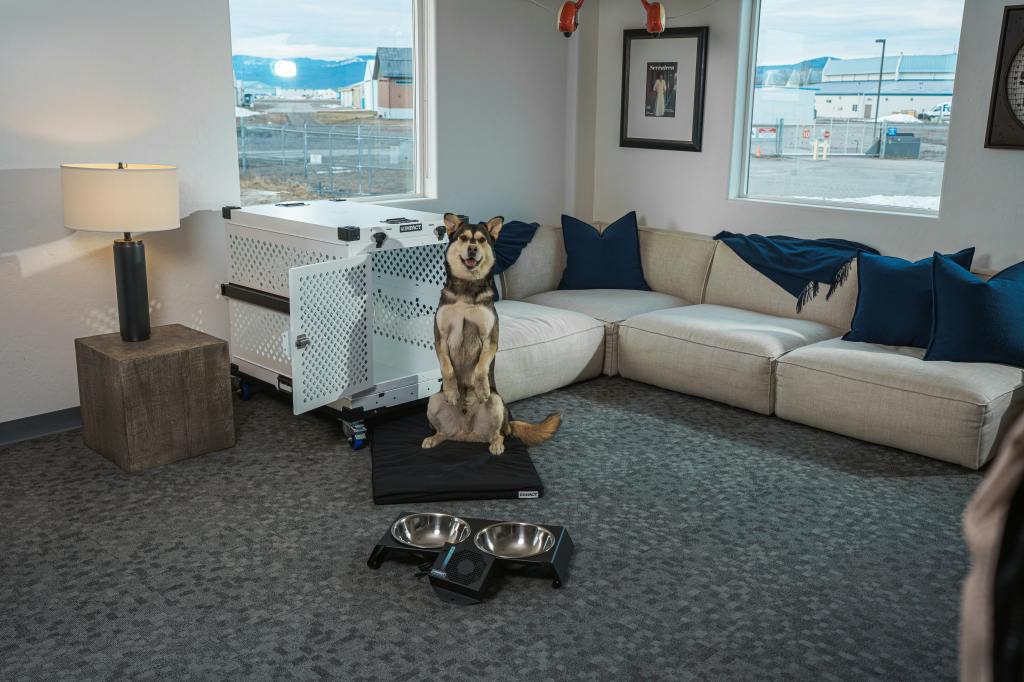
Dog anxiety is a common problem that affects countless pet owners. Whether it’s separation anxiety, fear of loud noises, or general nervousness, dealing with an anxious dog can be challenging. One of the most effective ways to help your dog find calm and stability is through the simple habit of daily crate use.
When used correctly, a crate becomes more than just a place of confinement—it transforms into a personal sanctuary where your dog feels safe and secure. In this guide, we’ll explore why daily crate use works to reduce anxiety, how to establish an effective routine, and why choosing the right crate is essential for success.
Why Daily Crate Use Reduces Anxiety
Dogs are naturally drawn to enclosed spaces. They instinctively seek out dens or cozy corners when they feel stressed or overwhelmed. A crate mimics this environment, providing a safe retreat where they can relax and feel protected from external stressors.
Benefits of Daily Crate Use
- Creates a Sense of Security
The crate acts as a personal sanctuary where your dog feels shielded from external chaos. Whether it’s loud noises, visitors, or daily hustle and bustle, the crate offers a consistent place of refuge. - Reduces Overstimulation
Anxious dogs often become overwhelmed by too much sensory input. The enclosed space of a crate naturally reduces visual and auditory stimulation, allowing your dog to decompress and settle down. - Promotes Routine and Predictability
Dogs thrive on consistency. A daily crate routine helps your dog know what to expect, reducing anxiety caused by unpredictability. Establishing a structured schedule reassures your dog that they have a designated time to rest and unwind. - Encourages Independence
Regular crate time teaches your dog that being alone is not something to fear. This is especially helpful for dogs struggling with separation anxiety, as it builds confidence in spending time independently. - Supports Better Sleep and Rest
Dogs need quality sleep to maintain balanced behavior. A comfortable, quiet crate encourages restful sleep, reducing overall stress levels and promoting well-being. - Prevents Destructive Behavior
An anxious dog left loose in the house may resort to chewing furniture, scratching doors, or even injuring themselves. A crate keeps your dog safely contained and eliminates the opportunity for destructive behavior.
How to Establish a Daily Crate Routine
Creating a consistent crate routine is essential for achieving long-term success. The goal is to make crate time feel predictable, calming, and rewarding. Follow these steps to develop an effective daily crate habit:
1. Choose the Right Crate
Anxiety-prone dogs need crates that provide both security and comfort. Look for crates that are:
- Durable and Escape-Proof: Sturdy construction to withstand anxious attempts to escape.
- Noise-Dampening: Reduces stress from rattling or clanging sounds.
- Ventilated Yet Private: Good airflow without feeling overly exposed.
- Comfortable and Inviting: Soft bedding and familiar items make the space more appealing.
Recommended Crate: The Impact High Anxiety Dog Crate is specifically designed for anxious dogs, offering tamper-proof locks and noise-dampening construction to reduce stress.
2. Introduce the Crate Positively
Start by making the crate a welcoming space. Avoid forcing your dog inside, as this can create negative associations. Instead:
- Leave the Door Open: Allow your dog to explore on their own terms.
- Add Comfort Items: Use a soft blanket and a favorite toy to make it inviting.
- Reward Voluntary Entry: Praise and treat your dog whenever they choose to enter the crate.
- Feed Inside the Crate: Associating mealtime with the crate builds positive connections.
3. Build a Routine Around Crate Time
Consistency is crucial when establishing a daily crate habit. Set up a schedule that includes short periods of crate time throughout the day. Start with brief sessions and gradually increase the duration as your dog becomes more comfortable.
Sample Daily Crate Routine:
- Morning:
- Take your dog for a walk and offer breakfast.
- Guide them to the crate with a calming command and a treat.
- Allow them to relax for 30 minutes to an hour.
- Take your dog for a walk and offer breakfast.
- Afternoon:
- After a play session or walk, crate your dog for some quiet time.
- Offer a puzzle toy or treat-filled Kong to keep them occupied.
- Gradually extend crate time to two hours or more as they adjust.
- After a play session or walk, crate your dog for some quiet time.
- Evening:
- After dinner and another walk, let your dog rest in the crate while you unwind.
- Keep the environment calm with dim lighting and soothing music.
- After dinner and another walk, let your dog rest in the crate while you unwind.
- Bedtime:
- Make the crate a cozy sleep spot, signaling it’s time to settle down for the night.
- Make the crate a cozy sleep spot, signaling it’s time to settle down for the night.
4. Maintain a Calm Environment
Stressful environments can undermine crate training. Keep the area around the crate quiet and free from distractions. Using calming music or white noise can help block out disruptive sounds.
5. Reinforce Positive Behavior
Whenever your dog voluntarily enters the crate, offer praise and a small treat. Reinforcing positive associations helps your dog feel more at ease. Never use the crate as punishment—doing so will only increase anxiety.
Tips for Maximizing Crate Comfort
To help your dog feel truly relaxed in their crate, pay attention to the small details:
- Soft, Washable Bedding: Keep the space cozy and clean.
- Familiar Scents: Add a blanket or shirt that smells like you.
- Calming Sprays: Use dog-safe calming pheromones to reduce stress.
- Interactive Toys: Chew toys or treat dispensers help keep your dog occupied and content.
Common Mistakes to Avoid
- Skipping Gradual Introduction: Rushing crate training can create negative associations.
- Using the Crate as Punishment: This only builds fear and resistance.
- Ignoring Comfort: A bare, cold crate is uninviting and can increase stress.
- Inconsistent Routine: Regularity is key to building positive habits.
Final Thoughts: Make Daily Crate Use a Calming Habit
Daily crate use doesn’t just reduce anxiety—it builds confidence and independence while keeping your dog safe. By establishing a consistent, positive crate routine, you can help your dog feel secure and calm, even during stressful situations.Investing in a high-quality crate like the Impact Dog Crate ensures that your dog has a safe, durable, and comfortable place to retreat. Start building the habit today and watch how your dog’s anxiety transforms into calm contentment, one crate session at a time.
 Dog Anxiety Support
Leave a comment