
Dealing with an anxious dog can feel overwhelming. Constant pacing, whining, destructive chewing, and even attempts to escape are common symptoms of anxiety. Whether it’s separation anxiety, fear of loud noises, or general nervousness, these behaviors can be exhausting for both you and your dog.
But what if there was a simple, effective way to turn that chaos into calm? Crating, when done right, can be a game-changer for managing anxiety. It’s not just about confinement—it’s about creating a safe, secure space where your dog feels protected and comfortable. In this guide, we’ll explore how crate training can transform anxious behavior into tranquility and why choosing the right crate is crucial for success.
Understanding Dog Anxiety and the Power of Crating
Anxiety in dogs manifests in many ways. Some dogs bark excessively when left alone, while others destroy furniture or scratch at doors. Often, this behavior stems from feeling vulnerable, overstimulated, or fearful. Crate training, when approached correctly, addresses the root cause of these behaviors by offering a space where your dog can decompress and feel safe.
Why Crate Training Works for Anxious Dogs
- Provides a Safe Haven
Dogs are naturally den animals. A crate mimics the enclosed, cozy space of a den, giving them a secure place to retreat when they feel overwhelmed. This sense of safety helps reduce stress and promotes calm behavior. - Establishes Routine and Predictability
Anxious dogs thrive on routine. Establishing a consistent crate schedule helps them understand when it’s time to rest and when it’s time to be active. Predictable routines reduce anxiety by giving your dog a structured environment. - Prevents Destructive Behavior
Anxiety often leads to chewing, digging, and other destructive actions. A crate prevents your dog from damaging your home or injuring themselves while they are feeling anxious. - Supports Independence Training
For dogs with separation anxiety, crate training helps them learn to be alone without panicking. Gradually increasing crate time teaches your dog that alone time is safe and manageable. - Helps with Noise Phobias
Loud noises like thunderstorms or fireworks can trigger extreme anxiety. A sturdy, well-insulated crate can serve as a quiet, comforting space during these stressful events.
How to Effectively Crate Train an Anxious Dog
1. Choose the Right Crate
The crate itself plays a significant role in calming anxiety. A flimsy, noisy crate can make matters worse, while a secure, insulated one promotes peace and security.
Ideal Crate Features:
- Durable Construction: To withstand chewing and pushing.
- Noise Dampening: Reduces stress caused by rattling or banging sounds.
- Ventilation: Maintains airflow without making the dog feel too exposed.
- Secure Locks: Tamper-proof mechanisms that prevent escape.
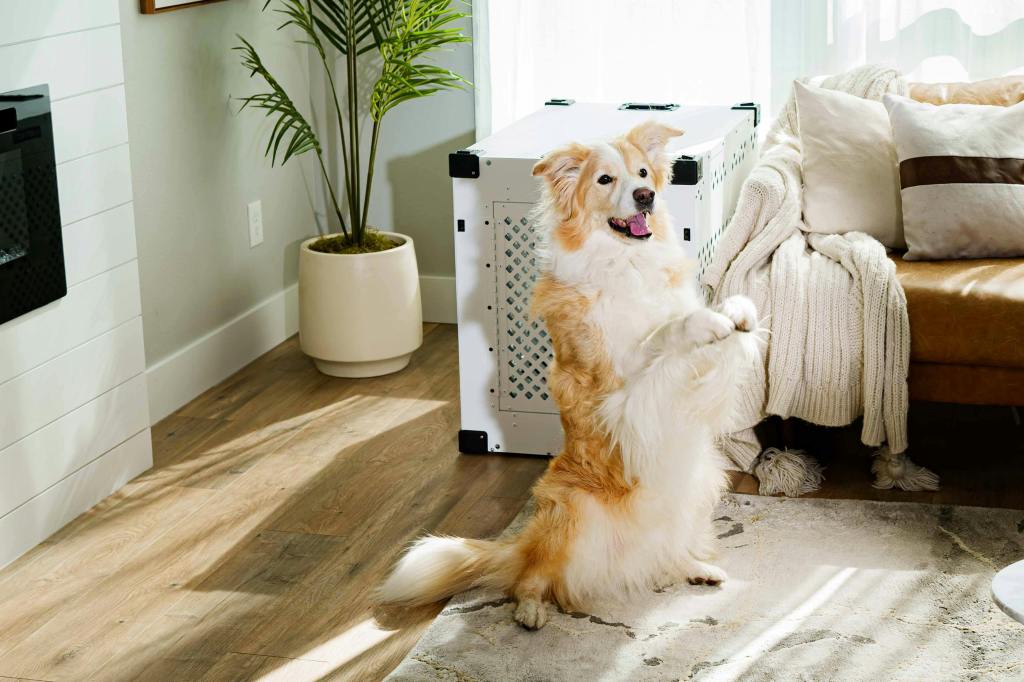
Recommended Crate: The Impact High Anxiety Dog Crate is built specifically to handle anxious and escape-prone dogs. Its solid, noise-dampening design makes it a reliable sanctuary.
2. Create a Positive Crate Association
Introducing the crate the right way is essential. Make it a positive, welcoming space rather than a place of punishment.
Tips for Positive Association:
- Use Treats and Praise: Reward your dog every time they enter the crate voluntarily.
- Add Comfort: Soft bedding and favorite toys make the crate inviting.
- Practice Short Stints: Start with just a few minutes at a time, gradually increasing the duration.
- Leave the Door Open Initially: Let your dog explore without feeling trapped.
3. Establish a Calm Crate Routine
Consistency is key to reducing anxiety. Develop a predictable routine that your dog can learn to anticipate.
Morning Routine:
- Exercise your dog to burn off excess energy.
- Feed breakfast and give them time to digest.
- Lead them calmly to the crate with a treat and gentle encouragement.
Afternoon Routine:
- Allow short breaks to stretch and potty.
- Use interactive toys or puzzles to keep your dog occupied during crate time.
Evening Routine:
- Wind down with a short walk or some calm playtime.
- Use calming aids like a soft blanket or lavender-scented spray inside the crate.
- Crate your dog before bedtime with a chew toy or calming treat.
4. Gradually Increase Alone Time
Dogs with anxiety often struggle when left alone. Building independence gradually helps them adapt.
Training Steps:
- Start by leaving the room for just a few minutes.
- Gradually extend the time, always rewarding calm behavior upon your return.
- Avoid dramatic greetings or departures to minimize stress.
5. Incorporate Calming Aids
Sometimes a little extra help can make a big difference.
Effective Calming Aids:
- Calming Music or White Noise: Blocks out disruptive sounds.
- Aromatherapy Sprays: Use calming scents like lavender.
- Interactive Toys: Keep your dog mentally engaged.
Why Impact Dog Crates Are the Best Choice for Anxious Dogs
Not all crates are suitable for anxious dogs. The Impact High Anxiety Dog Crate is specifically designed to address the unique challenges of anxiety and escape behavior.
Key Benefits:
- Unbreakable Construction: Made from aircraft-grade aluminum to withstand heavy chewing and pushing.
- Noise Reduction Design: Minimizes stress by reducing rattling and clanging sounds.
- Escape-Proof Locks: Keeps even the most determined dogs safely contained.
- Ventilation Without Exposure: Perforated panels allow airflow while maintaining a sense of security.
- Calming Design: The den-like environment promotes relaxation and reduces hyperactivity.
Choosing an Impact Dog Crate means choosing peace of mind for both you and your dog. It’s a long-term investment in your pet’s safety and emotional well-being.
Final Thoughts: From Chaos to Calm
Transforming an anxious dog from chaotic behavior to calm contentment isn’t an overnight process, but with the right approach, it’s absolutely achievable. The combination of a reliable crate, consistent training, and a structured routine can make a world of difference.Invest in a high-quality crate like the Impact Dog Crate to ensure your dog feels safe and secure. Pair it with positive reinforcement and a predictable schedule, and watch your anxious dog become more confident and relaxed over time. From chaos to calm—your dog deserves the transformation.
 Dog Anxiety Support
Leave a comment