
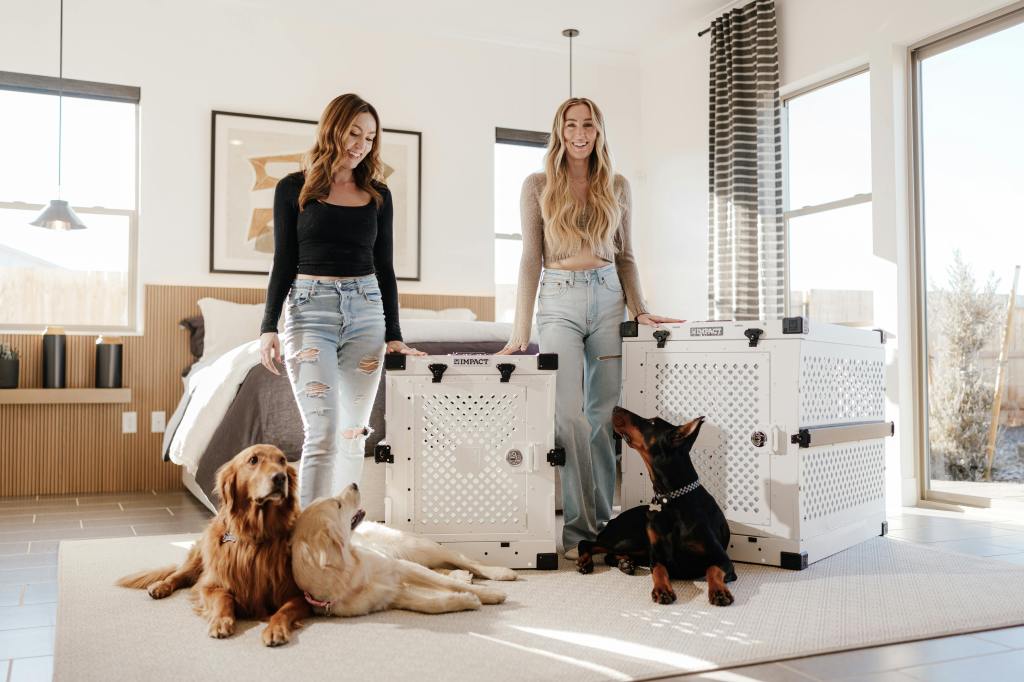
Dog anxiety is a common challenge faced by many pet owners. Whether it’s separation anxiety, fear of loud noises, or general nervousness, anxiety can significantly impact a dog’s well-being. One of the most effective ways to help your dog feel safe and secure is by establishing a structured crate routine.
A consistent and predictable crate schedule can create a sense of stability and security, making your dog feel more relaxed and less anxious. In this guide, we’ll explore how a structured crate routine can ease anxiety and how to implement one effectively.
Why Crate Training Helps with Anxiety
A well-structured crate routine gives your dog a dedicated space that feels safe and familiar. Just like humans have bedrooms as personal sanctuaries, dogs see crates as their personal retreats. This sense of security helps reduce stress and calm anxious behaviors.
1. Creates a Safe Haven
Dogs are den animals by nature. A crate mimics a cozy, enclosed den where they can retreat when feeling overwhelmed or nervous. The enclosed space makes them feel protected from external stressors like loud noises or chaotic environments.
2. Establishes Predictability
Dogs thrive on routine. Having a structured crate schedule builds a sense of predictability, which significantly reduces anxiety. Your dog knows when it’s time to rest, when you’ll be home, and when they’ll have time to relax in their space.
3. Helps with Separation Anxiety
When used correctly, a crate can alleviate separation anxiety by teaching your dog that alone time is safe and normal. Gradually increasing crate time helps dogs adjust to being alone without panicking.
4. Prevents Destructive Behavior
An anxious dog left to roam freely might chew furniture, scratch doors, or get into dangerous situations. A secure crate eliminates the risk of destructive behavior caused by nervous energy.
How to Establish a Structured Crate Routine
Creating an effective crate routine requires consistency and positive reinforcement. Here’s a step-by-step guide to implementing a structured routine that helps reduce anxiety.
Step 1: Choose the Right Crate
The crate you choose plays a crucial role in calming your dog’s anxiety. The best crates for anxious dogs are:
- Sturdy and Durable: To withstand scratching and pushing.
- Noise-Dampening: To minimize stress from loud sounds.
- Properly Ventilated: To keep your dog comfortable.
- Escape-Proof: To ensure safety and containment.
Recommended Crate: The Impact High Anxiety Dog Crate is specifically designed for anxious and escape-prone dogs. Its aircraft-grade aluminum construction and tamper-proof locks make it incredibly secure.
Step 2: Introduce the Crate Positively
Introducing the crate properly sets the foundation for a successful routine. Avoid forcing your dog inside, as this can create negative associations.
Tips for Positive Introduction:
- Leave the Door Open: Let your dog explore the crate at their own pace.
- Use Treats and Toys: Place high-value treats or favorite toys inside to encourage exploration.
- Make It Cozy: Add a soft blanket or an orthopedic mat to enhance comfort.
- Praise and Reward: Celebrate every step your dog takes toward entering the crate.
Step 3: Establish a Daily Crate Routine
A structured crate schedule helps build a predictable routine, reducing anxiety and promoting calm behavior. Here’s a simple, effective routine to follow:
Morning Routine:
- Wake Up Time: Let your dog out for potty and a brief walk.
- Meal Time: Feed your dog breakfast, then allow some playtime.
- Crate Time: After a short walk or play session, guide your dog to the crate with a treat.
- Quiet Time: Leave your dog crated for 1-2 hours while you attend to your morning tasks.
Midday Routine:
- Break Time: Take your dog out for a potty break and some exercise.
- Meal or Snack: Provide a light snack or puzzle toy in the crate to make returning enjoyable.
- Calm Time: Leave your dog crated for another hour or two if needed.
Evening Routine:
- Exercise Session: After work or activities, take your dog for a walk or play fetch.
- Meal Time: Feed dinner and allow some downtime outside the crate.
- Crate Wind-Down: As bedtime approaches, encourage your dog to rest in the crate with a soft blanket and a chew toy.
Step 4: Practice Gradual Alone Time
Gradually building up alone time in the crate helps dogs adjust without feeling abandoned.
Start Small:
- Begin with 10-15 minute intervals while staying nearby.
- Gradually increase the duration as your dog becomes more comfortable.
Stay Consistent:
- Make crate time part of the daily routine, even when you’re home.
- This prevents your dog from associating the crate solely with being left alone.
Step 5: Use Calming Aids
Sometimes additional calming techniques can make crate time more comfortable.
Calming Aids to Consider:
- Calming Sprays or Diffusers: Infused with dog-appeasing pheromones.
- Interactive Toys: Keep your dog mentally stimulated.
- White Noise Machines: Mask external sounds that could trigger anxiety.
Tips for Success with Crate Training and Anxiety
1. Never Use the Crate as Punishment
A crate should be a positive and comforting space, not a place for timeouts. Punishing your dog by sending them to the crate only increases anxiety and resistance.
2. Stay Consistent
Sticking to the routine helps your dog know what to expect, making them feel more secure. Sudden changes can increase stress, so keep mealtimes, potty breaks, and crate times consistent.
3. Gradually Increase Crate Time
Don’t rush the process. Some dogs adapt quickly, while others take more time. Be patient and gradually increase the duration to build positive associations.
4. Make It Comfortable
Soft bedding, a favorite toy, and calming scents can make the crate feel inviting rather than intimidating. Choose bedding that is washable and resistant to wear and tear.
Why Impact Dog Crates Are the Best for Anxious Dogs
Impact Dog Crates are specially designed to handle high-anxiety dogs with features that promote safety, comfort, and peace of mind. Here’s why they are a top choice:
- Heavy-Duty Aluminum Construction: Strong enough to withstand even the most determined escape attempts.
- Tamper-Proof Locks: Prevent anxious dogs from breaking out.
- Noise-Dampening Design: Reduces stress by minimizing rattling and clanging sounds.
- Optimal Ventilation: Keeps your dog cool and comfortable during crate time.
- Comfortable and Secure: The solid construction gives a den-like feel that calms dogs and reduces anxiety.
With Impact Dog Crates, you’re investing in a product that delivers lasting value and maximum security, helping anxious dogs feel safe and calm.
Final Thoughts: The Power of Routine and the Right Crate
A well-structured crate routine can transform how your dog handles stress and anxiety. By creating a predictable schedule and using a high-quality, secure crate, you give your dog a reliable safe space that fosters calm and confidence.
Implementing a structured routine with a reliable crate like those from Impact Dog Crates not only helps reduce anxiety but also enhances your dog’s overall well-being. Consistency, comfort, and safety are key to making crate time a positive experience that benefits both you and your pet.Make the investment in your dog’s peace of mind with a structured crate routine—and choose a durable, escape-proof crate that guarantees their safety and comfort.
 Dog Anxiety Support
Leave a comment