
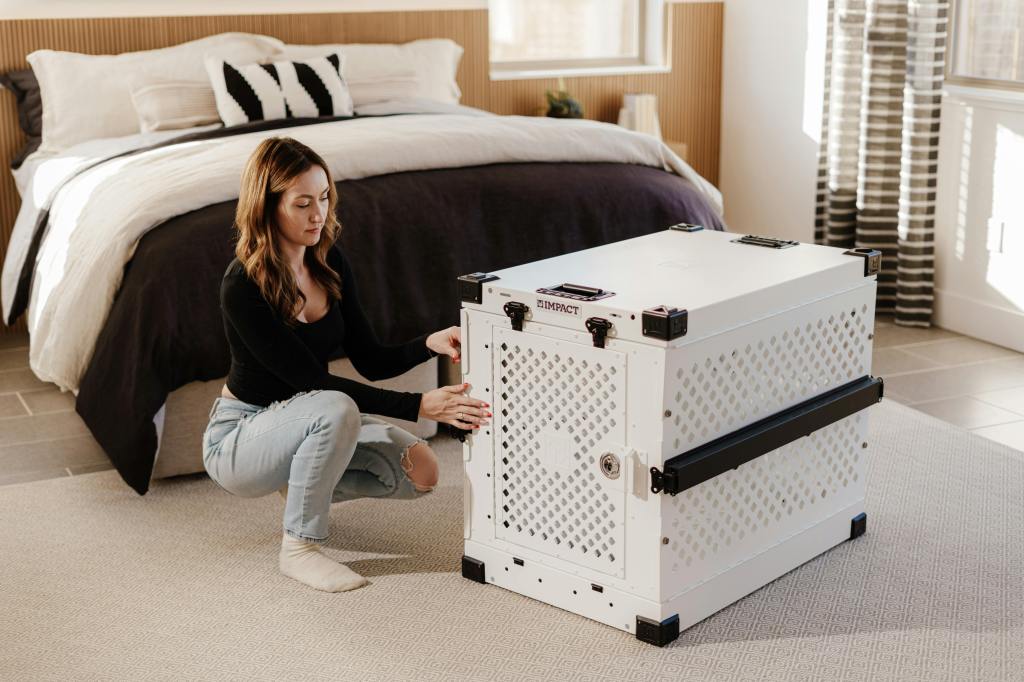
Rescue dogs often come from challenging backgrounds. Many have experienced neglect, abuse, abandonment, or simply overwhelming changes in their environment. These experiences can lead to emotional distress, making it difficult for them to adjust to new homes. As new owners strive to provide love and care, they often search for ways to help these dogs feel safe and secure. One powerful, often underestimated tool in this journey is the dog crate. Far from being a cage, a crate offers structure, comfort, and most importantly, emotional security.
Crates provide a space of solitude where a rescue dog can decompress from the overstimulation of their new surroundings. Imagine being placed in an unfamiliar environment after living in chaos or fear; a crate offers a private sanctuary that mimics a natural den. For anxious dogs especially, having a predictable and quiet place to retreat can significantly reduce stress and accelerate their emotional healing. When used correctly, crates create a positive association with safety, helping dogs transition into their new lives with greater ease.
Building Trust and Confidence Through Safe Spaces
Crates help rescue dogs build emotional stability by giving them a sense of control over their environment. When a dog knows they have a safe space to retreat to, it builds their confidence. This is crucial for animals that have lived without routine or security. The crate becomes a symbol of consistency, something that is often missing in a rescue dog’s previous life.
By incorporating crate training into a dog’s routine, owners help their pets establish a sense of normalcy. This routine, combined with positive reinforcement, encourages trust between the dog and its new family. Over time, the crate transitions from a tool of management to a place of refuge that the dog willingly uses, even when not prompted.
The Psychological Benefits of Crate Training
Crate training taps into a dog’s instinctual need for a den-like environment. This instinct is particularly helpful when addressing behavioral issues common among rescue dogs, such as separation anxiety, fear, or hyperactivity. Research shows that structured environments improve behavioral outcomes in dogs with traumatic backgrounds. According to a study published by the Journal of Veterinary Behavior, crate training can significantly reduce signs of anxiety and aggression in shelter animals, promoting better adaptability in home environments.
Crates provide emotional containment. When a dog feels overwhelmed, the physical boundaries of the crate offer a form of emotional support, much like a weighted blanket does for a person. This grounding effect can help dogs stay calm during thunderstorms, visits from strangers, or other potentially stressful events. For dogs recovering from trauma, this physical and emotional boundary becomes a therapeutic element of their recovery journey.
How Crates Aid in Anxiety Management
One of the most valuable benefits of crates is their effectiveness in managing anxiety. This is especially crucial for rescue dogs who may suffer from generalized anxiety disorder or post-traumatic stress. Crates offer a consistent environment, free from unpredictability and overstimulation.
- Provides a designated “safe zone” where the dog can retreat when feeling anxious
- Reduces exposure to stimuli that can trigger stress or fear
- Encourages a sense of routine and predictability, which helps calm the nervous system
- Assists in separation anxiety by easing transitions when the owner leaves or returns
According to research from the American Veterinary Medical Association, controlled environments like crates have shown to decrease cortisol levels in anxious dogs, demonstrating their physiological calming effect.
Creating a Positive Crate Association
For a crate to be effective, the association must be positive. Owners should never use the crate as punishment. Instead, it should be introduced slowly, with plenty of treats, praise, and comforting items like blankets or toys.
- Begin with short periods and gradually increase duration
- Feed meals in the crate to foster positive associations
- Leave the door open initially to allow voluntary entry and exit
- Use calming scents or items that carry the owner’s scent to enhance comfort
These steps help build a relationship of trust between the dog and its crate. With time, many dogs begin to see the crate not just as a physical space but as an emotional refuge.
Crates as Part of a Holistic Recovery Plan
Crates are not a cure-all but are incredibly effective when used alongside other tools and strategies. They complement training, socialization, and therapeutic interventions. The crate becomes a foundation upon which further emotional stability can be built.
- Use alongside positive reinforcement training to encourage desirable behaviors
- Include in behavior modification plans for dogs with trauma
- Combine with exercise and enrichment to support overall well-being
- Integrate into routine veterinary visits and travel for continuity
Incorporating crates into a rescue dog’s life supports their entire recovery process, offering both emotional grounding and behavioral management.
Conclusion
Rescue dogs face unique challenges, but with patience, love, and the right tools, they can flourish in their new homes. Crates offer a critical piece of this puzzle by providing structure, safety, and emotional support. When used correctly, they transform from a simple enclosure into a trusted sanctuary where a dog can truly begin to heal.
For any dog, but especially those recovering from past trauma, the comfort of a secure, personalized space is invaluable. Explore secure and anxiety-reducing options from Impact Dog Crates, designed with the well-being of your canine companion in mind.
 Dog Anxiety Support
Leave a comment