
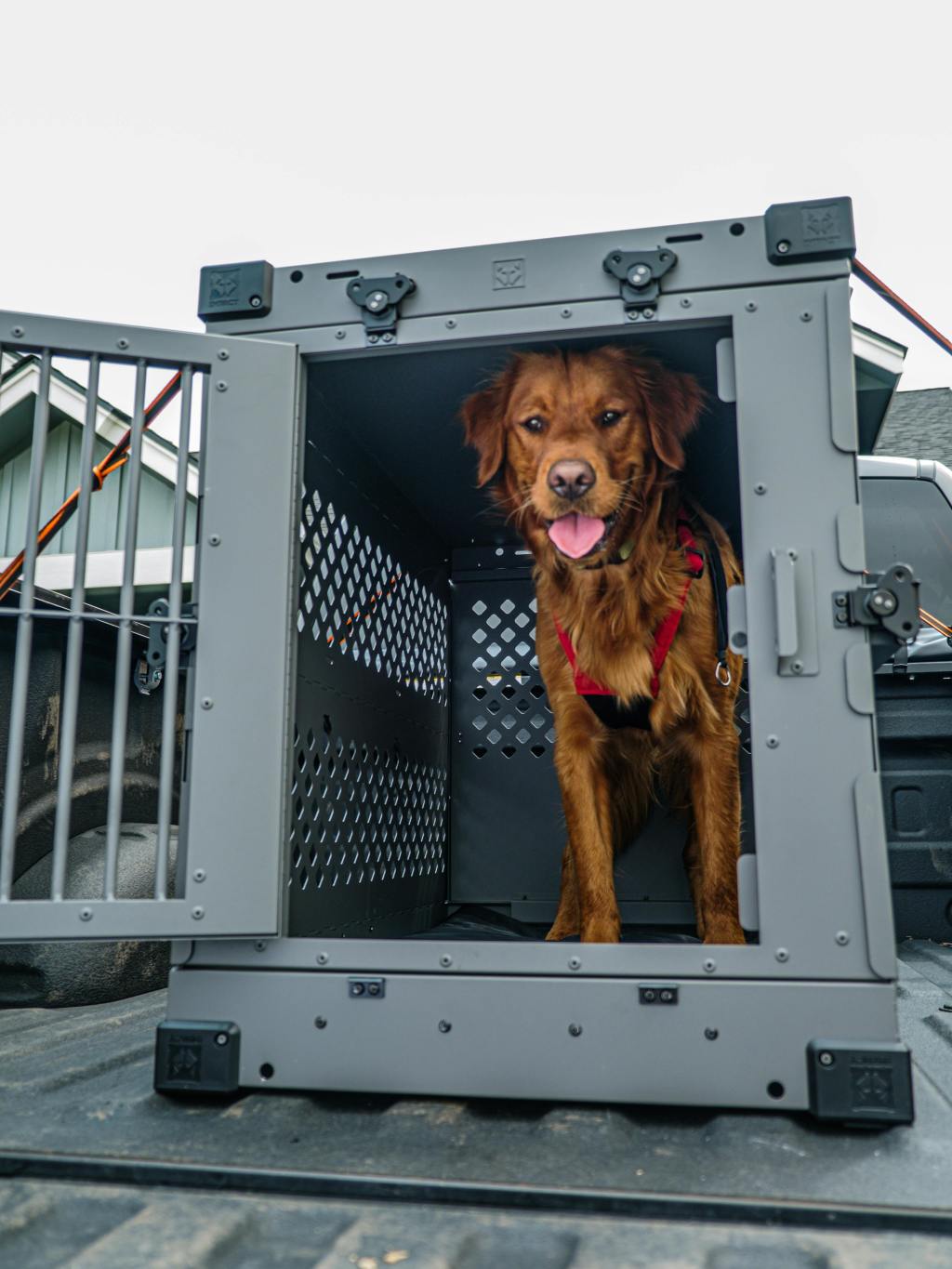
Creating a safe and comfortable space for your dog is essential to their well-being. One of the most effective methods to provide this safe haven is by using a crate as an off-limits sanctuary. Contrary to outdated beliefs, crates are not tools for punishment. When used correctly, they serve as a personal retreat for your dog, where they can relax, feel secure, and escape from overstimulation or stress.
Dogs are naturally den animals, which means they instinctively seek small, enclosed spaces for rest and safety. A crate replicates this environment, giving your dog a spot that belongs solely to them. When designated as an off-limits sanctuary, a crate becomes more than a training tool—it transforms into a vital part of your dog’s emotional and psychological support system. This is particularly beneficial for dogs suffering from anxiety, as it gives them a consistent and predictable space to unwind.
Why Making the Crate Off-Limits to Others Works
Allowing your dog exclusive access to their crate can significantly enhance their sense of security. When children, other pets, or guests are kept away from this space, your dog can fully relax without feeling the need to stay alert or guard their area. This feeling of safety is especially crucial for dogs dealing with anxiety or past trauma.
The concept is similar to having a personal room where one can retreat from the outside world. It offers mental peace and a space to recharge. For dogs, especially those who get overwhelmed easily, having this level of privacy helps reduce stress levels and fosters emotional stability.
Benefits of Using a Crate as a Sanctuary
Transforming a crate into a sanctuary can positively impact your dog’s mental and emotional health. Here are some of the main benefits:
- Stress Reduction: A familiar, private space allows your dog to calm down during stressful situations, such as thunderstorms, fireworks, or busy household activities.
- Improved Behavior: A well-rested and emotionally stable dog is less likely to exhibit destructive behaviors like chewing or excessive barking.
- Better Sleep Quality: With no interruptions from people or other pets, dogs get uninterrupted sleep, leading to better overall health.
- Support for Separation Anxiety: Crates can provide a calming space for dogs struggling with being alone, giving them a secure base that eases the symptoms of separation anxiety.
- A Refuge During Illness: When dogs are not feeling well, they often seek solitude. A crate sanctuary offers a comfortable space for them to recover.
- Training Aid: When a crate is positively associated with rest and relaxation, it becomes easier to use it for travel or vet visits.
How to Design a Crate Sanctuary
Making your dog’s crate a true sanctuary involves thoughtful preparation and consistent rules. Here’s how to get started:
- Choose the Right Crate: Size matters. It should be large enough for your dog to stand, turn around, and lie down comfortably.
- Use Comfortable Bedding: Soft blankets, orthopedic pads, or memory foam beds make the crate inviting and comfortable.
- Place it in a Quiet Area: Avoid high-traffic areas of the home. Choose a location where your dog won’t be disturbed frequently.
- Incorporate Familiar Scents: Add a shirt with your scent or your dog’s favorite toy to help them feel more at home.
- Maintain Cleanliness: A clean crate encourages your dog to use the space regularly and promotes good hygiene.
- Limit Access to Others: Make it clear to children and guests that the crate is your dog’s private space.
Crates and Canine Anxiety: A Powerful Connection
Scientific studies support the benefits of crate training for anxious dogs. According to the Journal of Veterinary Behavior, dogs provided with a designated safe space show significantly lower cortisol levels, indicating reduced stress. Another research article from the American Veterinary Medical Association emphasizes the role of crate spaces in managing behavioral issues linked to anxiety and overstimulation.
These findings reinforce the idea that a crate, when used correctly, is not restrictive but rather liberating for dogs struggling with emotional instability. For dogs with noise phobias or social anxiety, a well-designed crate sanctuary can become a cornerstone of behavioral therapy and comfort.
Tips to Encourage Positive Crate Use
Establishing a crate as a sanctuary doesn’t happen overnight. Here are tips to help your dog embrace their new space:
- Introduce Gradually: Start with short sessions and gradually increase the duration.
- Keep the Door Open Initially: Let your dog enter and exit freely to reduce any fear or pressure.
- Use Positive Reinforcement: Reward your dog with treats or praise when they choose to enter the crate.
- Never Use it for Punishment: This ensures the crate remains a positive environment.
- Observe and Adjust: Pay attention to your dog’s preferences and make adjustments to improve comfort.
Conclusion
A crate, when transformed into an off-limits sanctuary, can be one of the most supportive and enriching aspects of a dog’s home life. It offers a place of solitude, emotional healing, and physical rest. This approach not only improves overall behavior and well-being but also deepens the bond between you and your dog.
If you’re ready to create a true sanctuary for your dog, explore the premium options at Impact Dog Crates—designed with your dog’s safety and comfort in mind.
 Dog Anxiety Support
Leave a comment