
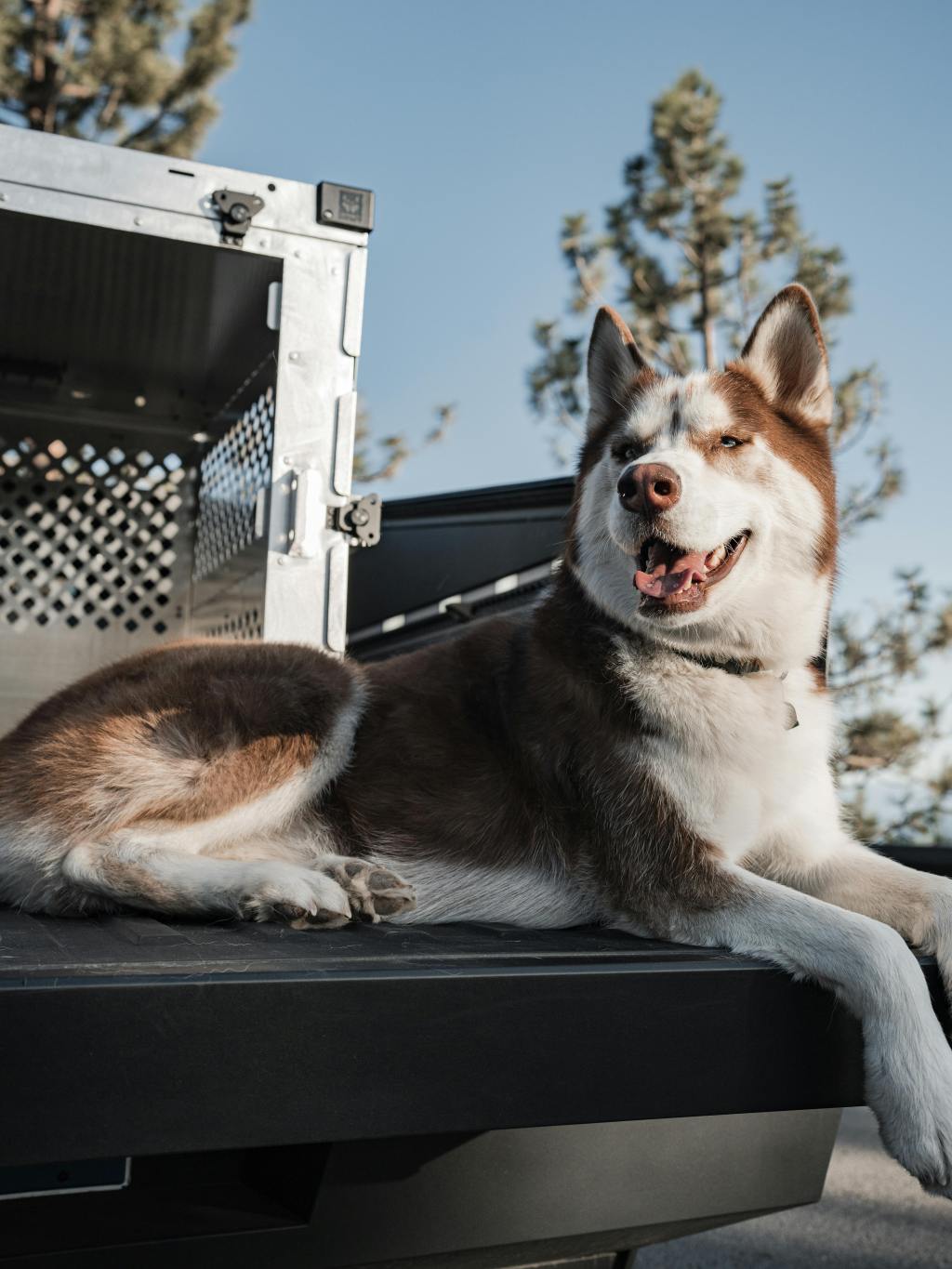
Crate training can be a transformative experience for both dogs and their owners, especially when it is approached with understanding and patience. One of the most critical aspects of ensuring crate time is a positive and beneficial part of your dog’s day is learning to interpret their body language accurately. Dogs communicate volumes without uttering a single bark, using their ears, tails, posture, and even facial expressions to express how they feel.
Understanding these subtle signs not only strengthens the bond between you and your dog but also helps you ensure that the crate is a safe and calming space. This is particularly important for dogs dealing with anxiety. When crate time is associated with feelings of safety and security, rather than stress or punishment, it becomes a valuable tool in managing and reducing anxious behaviors. Knowing what to look for can be the difference between a dog that views their crate as a cozy retreat and one that dreads confinement.
What Does Your Dog’s Body Say About Their Crate Experience?
Dogs speak a silent language that, once understood, can reveal exactly how they feel about being crated. Are they relaxed or agitated? Comfortable or fearful? Their body language provides the answers, and being able to decode these cues empowers you to respond appropriately.
By observing key signs such as posture, facial expressions, and vocalizations, you can determine whether your dog feels at ease or is experiencing discomfort. A dog that voluntarily enters their crate, settles down quickly, and appears calm is likely enjoying the space. Conversely, if your dog is pacing, whining, or avoiding the crate altogether, it’s a sign they may associate it with negative experiences.
Recognizing Relaxed and Content Body Language
A dog who is comfortable in their crate exhibits certain physical signs that indicate relaxation and contentment:
- Loose, relaxed body posture
- Tail resting gently or wagging softly
- Ears in a natural, relaxed position
- Soft eyes, often half-closed
- Quiet behavior, such as lying down or gentle sniffing
These signs show that your dog perceives the crate as a secure environment where they can rest or retreat. If your anxious dog exhibits these behaviors, it’s a strong indicator that the crate is helping to reduce stress.
Signs of Stress or Anxiety During Crate Time
Recognizing the signs of anxiety early allows you to make necessary changes and better support your dog:
- Tense, stiff posture
- Tail tucked between the legs
- Ears pinned back
- Excessive panting or drooling
- Vocalizing, such as whining, barking, or howling
- Attempting to escape or scratching at the crate
If these behaviors persist, it might be a sign your dog needs more gradual crate training or additional calming aids to feel secure. Studies have shown that structured environments and positive associations, like crate training, can significantly help in managing canine anxiety (source).
How Crate Time Benefits Anxious Dogs
When done right, crate time can offer a sanctuary for dogs prone to anxiety. The crate becomes a den-like space where they can decompress and feel protected from overstimulation.
- Creates a predictable routine that can ease anxiety
- Provides a secure space for dogs to retreat during stressful events
- Helps dogs self-soothe through familiarity
- Encourages positive behavioral patterns over time
- Aids in preventing destructive behavior when left alone
According to research, environmental control, such as crate usage, can contribute to reducing anxiety-related symptoms in dogs (source).
Tips to Support Positive Crate Behavior
Creating a positive crate experience requires attention to detail and consistency:
- Introduce the crate slowly and positively
- Use soft bedding and favorite toys inside the crate
- Never use the crate as punishment
- Feed your dog inside the crate to build positive associations
- Keep the crate in a quiet, family-accessible area
- Maintain a routine that includes regular crate time
These small efforts can lead to significant changes in how your dog perceives their crate, turning it into a place of comfort and calm.
Understanding Breeds and Individual Differences
Not all dogs react to crate training the same way. While some breeds are naturally more independent and take to crate time easily, others may require more patience.
- Consider your dog’s history, age, and temperament
- Working with a vet or trainer can offer personalized strategies
- Be flexible and adapt your crate training approach as needed
Acknowledging and respecting your dog’s individual needs makes the crate a supportive space rather than a source of stress.
Conclusion
By learning to understand your dog’s body language, you equip yourself with the tools to make crate time a beneficial and enriching part of their life. Recognizing signs of comfort or stress helps you make real-time adjustments that support their well-being and strengthen your bond.
Crates can be a powerful ally in managing dog anxiety when paired with empathy and awareness. For a secure, comfortable, and thoughtfully designed option, explore the range of products at Impact Dog Crates.
 Dog Anxiety Support
Leave a comment