
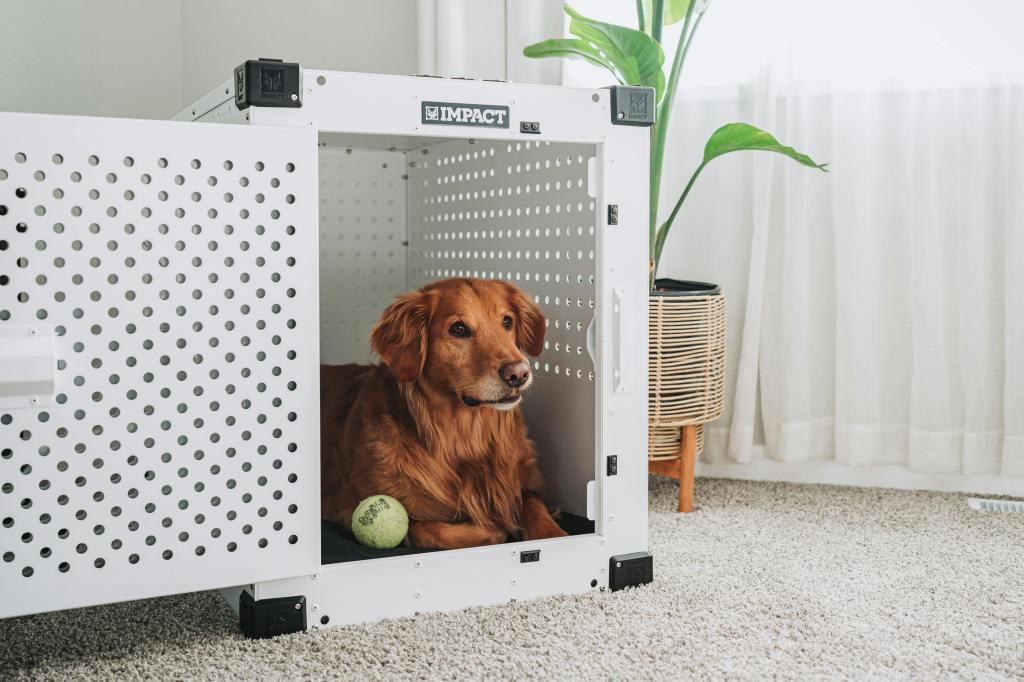
Dogs are creatures of habit, and this trait becomes especially important when dealing with anxiety. One of the most effective methods to help manage a dog’s anxiety is through consistent crating during specific times of the day. Understanding when to crate your dog can make a significant difference in how they perceive the crate—not as a place of punishment, but as a sanctuary of safety and calm. For anxious dogs, timing and routine are everything.
The right crate environment offers not just physical security, but emotional comfort as well. It helps reduce over-stimulation from the outside world, giving anxious dogs a quiet space to self-soothe. Choosing the right times to crate your dog ensures the crate becomes a beneficial and supportive tool in their daily routine rather than a trigger for stress. Let’s explore how to use timing as a way to maximize the crate’s benefits for an anxious pet.
How Timing Influences Crate Success for Anxious Dogs
Creating a crate routine based on your dog’s natural rhythms and behavior patterns significantly increases its effectiveness. Dogs, like people, have periods during the day when they are more susceptible to stress or fatigue. Recognizing these moments can help owners choose optimal crate times that align with their dog’s emotional needs.
Short crate sessions during these times act as resets for your pet. They learn to associate the crate with calmness and relief rather than confinement. Over time, this creates a positive reinforcement cycle that aids in reducing overall anxiety levels.
Ideal Crate Times for a Calmer, Happier Dog
Determining the best times to crate an anxious dog involves observing their routine and identifying when they seem most overwhelmed. Here are the most beneficial times to incorporate crating:
- Morning Routine Wind-down: After the morning walk and feeding, anxious dogs can benefit from crate time to avoid overstimulation as the household becomes busier.
- Midday Nap: Just like toddlers, dogs often need a nap during midday. Crating during this time provides a quiet space that promotes rest and rejuvenation.
- During Stress Triggers: If your dog becomes anxious during vacuuming, doorbells, or visitors, preemptively crating them can help avoid negative associations and manage stress.
- Evening Unwind Time: As the day winds down, giving your dog crate time can help them decompress and prepare for bedtime.
- When Leaving Home: For dogs with separation anxiety, a crate serves as a familiar environment that provides comfort when you’re away.
The Role of Crate Comfort and Design
Anxious dogs need a crate that provides not only physical enclosure but emotional reassurance. The structure and comfort level of the crate matter greatly. It should be spacious enough for the dog to stand, turn, and lie down, but not so large that it feels like an open space.
To enhance the calming effect:
- Use soft bedding that retains your scent.
- Add a favorite toy or a safe chew item.
- Place the crate in a quiet corner of your home.
- Cover the crate with a breathable cloth to create a den-like feel.
According to a study published by the American Veterinary Medical Association, structured environments significantly help reduce anxiety behaviors in dogs. You can read more about this research in this AVMA publication.
Benefits of Routine Crating for Anxious Dogs
Routine crating offers numerous advantages for dogs struggling with anxiety, especially when implemented with consistency and positive reinforcement. These benefits go beyond temporary relief, contributing to long-term emotional stability.
- Creates Predictability: Dogs feel more secure when their day follows a predictable structure.
- Reduces Destructive Behavior: Anxiety often manifests in destructive behavior; crating minimizes opportunities for damage.
- Supports Restful Sleep: Scheduled crate time encourages better rest, improving overall mood.
- Prevents Overstimulation: The crate acts as a barrier against noise and chaos, essential for sensitive dogs.
- Reinforces Positive Associations: Over time, dogs learn to view the crate as a safe space, not a place of isolation.
Additional Techniques to Enhance Crate Training Success
Integrating other supportive measures can amplify the benefits of timing and crate use. These complementary techniques contribute to a more comprehensive approach to anxiety management.
- Use of Calming Scents: Lavender or chamomile diffusers near the crate can have a soothing effect.
- Classical Music or White Noise: Playing soft music or ambient noise can mask stressful sounds.
- Crate Games: Turn crate time into a positive experience with treats or puzzles.
- Gradual Conditioning: Start with short periods and gradually increase crate time to build tolerance.
- Consistent Commands: Use the same words each time you guide your dog to the crate, enhancing familiarity.
Research from the National Library of Medicine supports the notion that enrichment and environmental management can improve behavioral outcomes in anxious pets. You can explore the full study here.
Conclusion
Crating an anxious dog at the right times of day is not just a behavioral strategy; it’s a form of compassionate care. When done mindfully, it turns the crate from a perceived cage into a trusted retreat. The key lies in aligning crate times with your dog’s emotional needs and daily patterns, offering them a consistent, calming presence in their world.By creating a predictable, supportive environment, you’re empowering your anxious dog to find balance and peace in their daily life. For pet owners looking to invest in a high-quality, anxiety-reducing crate, consider the innovative designs available at Impact Dog Crates.
 Dog Anxiety Support
Leave a comment