
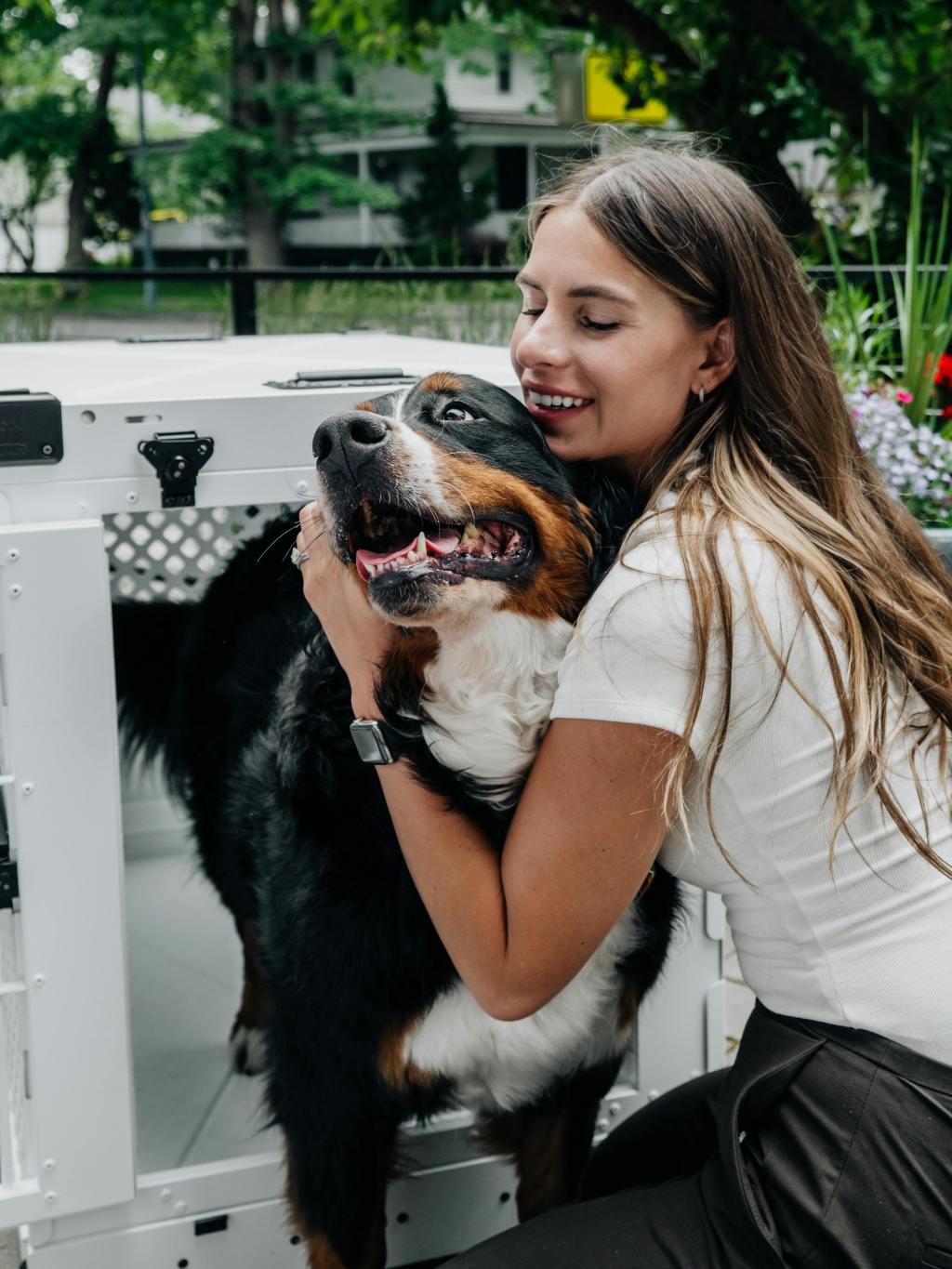
Creating a safe and secure environment is vital for helping shy and fearful dogs thrive. Many of these dogs struggle with anxiety, often caused by past traumas, lack of socialization, or simply their natural temperament. One of the most effective and nurturing tools to assist these dogs is the use of crate confidence exercises. Crate training, when done positively and patiently, can offer a sanctuary for dogs where they feel protected and at ease.
Building crate confidence goes beyond just training; it’s about reshaping the way a fearful dog interacts with its environment. A crate becomes more than just a physical space—it becomes a personal refuge, a place of calm and reassurance. For shy dogs who might be overwhelmed by noise, unfamiliar people, or sudden changes, this kind of designated safe space plays a crucial role in their emotional development and day-to-day comfort.
How Crate Confidence Exercises Help Shy and Fearful Dogs
Crate confidence exercises help address anxiety by providing a consistent, calming environment. For shy dogs, structure and predictability are key in reducing stress. These exercises teach dogs that the crate is a positive, rewarding space rather than one associated with isolation or punishment.
With regular practice, dogs begin to associate their crate with safety and comfort. This gradually helps them gain independence, manage stress more effectively, and become more open to engaging with the world around them. As their trust in the crate grows, so does their confidence.
The Emotional and Behavioral Benefits of Crate Confidence Training
Crate confidence exercises offer a wide array of emotional and behavioral benefits for dogs who struggle with fearfulness:
- Reduced Anxiety: Dogs with crate confidence show lower signs of distress when left alone or in new environments.
- Improved Sleep and Rest: A crate-trained dog often experiences more restful sleep, which supports overall well-being.
- Decreased Reactivity: Dogs that have a go-to safe space are less likely to react aggressively to stressors.
- Enhanced Trust in Owners: Positive crate training strengthens the bond between dog and owner, reinforcing trust.
- Predictable Routine: The crate provides a structured part of the dog’s daily routine, which promotes emotional balance.
Techniques to Build Crate Confidence
Building crate confidence takes time and patience, but these techniques can make the process smoother and more rewarding:
- Start Slowly: Allow your dog to explore the crate at their own pace without pressure.
- Use Positive Reinforcement: Reward your dog with treats, praise, or toys when they show interest in the crate.
- Create a Cozy Environment: Use soft bedding and familiar scents to make the crate inviting.
- Avoid Negative Associations: Never use the crate as a form of punishment.
- Short, Positive Sessions: Begin with brief crate times and gradually increase duration as the dog becomes more comfortable.
- Incorporate Crate Time into Daily Routines: Let your dog rest in the crate after meals or walks to associate it with relaxation.
Success Stories and Research Backing Crate Use
There is scientific backing that highlights the benefits of crate training, particularly for anxiety. A study published in the Journal of Veterinary Behavior demonstrates how structured environments like crates can significantly reduce stress-related behaviors in dogs (source).
Another report from the American Kennel Club emphasizes that crates serve as a secure retreat that fosters feelings of safety, which is particularly helpful for anxious or shy dogs (source). These insights reinforce the importance of using crate training as a supportive, rather than corrective, strategy.
Conclusion
Supporting shy and fearful dogs requires a compassionate and thoughtful approach, and crate confidence exercises can play a pivotal role in this journey. By creating a safe, familiar space, owners empower their dogs to cope better with stress and gradually come out of their shells. The transformation is often heartwarming, as dogs begin to express joy, curiosity, and confidence in their daily lives.Whether you’re helping a newly adopted dog adjust or working to ease the anxiety of a long-time companion, crate confidence training offers a powerful and loving method to enhance your dog’s emotional health. For thoughtfully designed crates built with your dog’s comfort and safety in mind, explore the range at Impact Dog Crates.
 Dog Anxiety Support
Leave a comment