
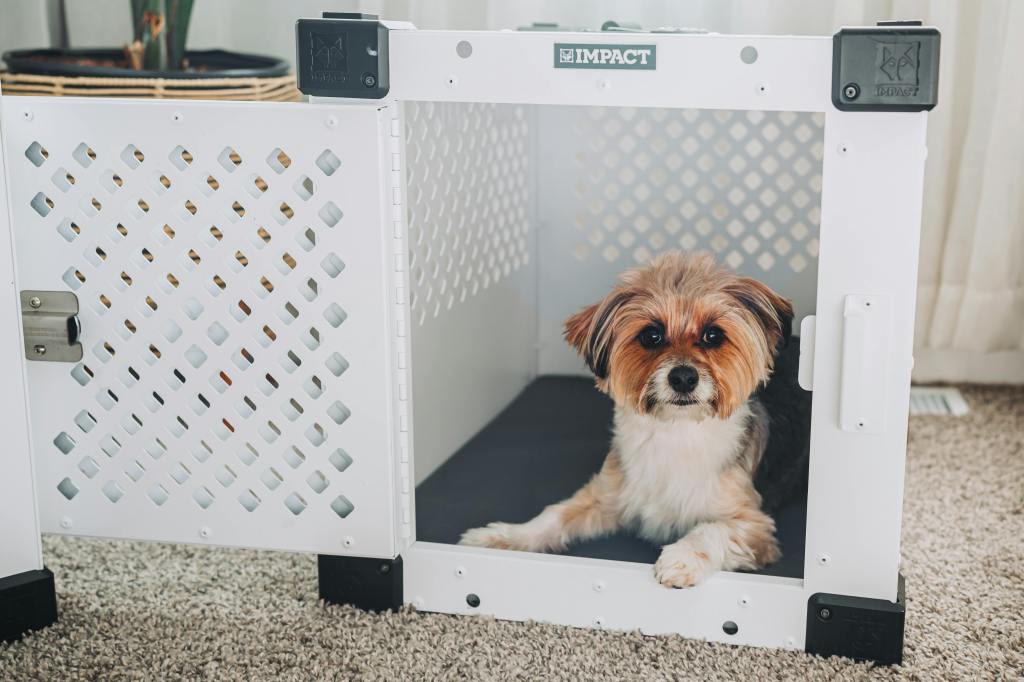
Helping your dog manage anxiety can be a challenging but deeply rewarding journey. Whether it’s triggered by separation, loud noises, new environments, or other stressors, canine anxiety can significantly impact your furry companion’s quality of life. Among the various tools available to ease their stress, using a crate strategically can provide a comforting, secure retreat for your pet.
Crates have evolved from mere containment units to thoughtfully designed safe spaces that offer psychological comfort for dogs dealing with anxiety. When integrated as part of a comprehensive anxiety recovery toolkit, crates serve not just as a shelter but also as a training aid, a recovery space, and a symbol of safety. Understanding how to leverage a crate correctly is key to maximizing its benefits for your anxious pup.
Can Using a Crate Really Help an Anxious Dog?
Absolutely. When introduced properly, crates can help anxious dogs feel more secure by providing a space that is entirely their own. This sense of ownership and safety can be a game-changer in anxiety management.
By giving your dog a cozy, enclosed area, you’re mimicking the natural denning instinct that many dogs have. This den-like space offers predictability, routine, and refuge—key components in easing anxiety symptoms. It’s important to choose the right crate and approach training with patience to make this a positive experience.
How Crates Address Common Anxiety Triggers
Anxiety in dogs often stems from specific triggers, and crates can help alleviate the impact of many of these. Here’s how:
- Separation Anxiety: A familiar crate provides a secure place that smells and feels like home, reducing stress when you leave the house.
- Noise Sensitivity: During storms or fireworks, a crate lined with sound-dampening materials can act as a buffer against loud sounds.
- Travel Stress: Portable crates offer familiarity in new environments, helping reduce anxiety during car trips or hotel stays.
- New Situations: When encountering new people or pets, a crate can be a safe zone for retreat and recovery.
Essential Features of an Anxiety-Reducing Dog Crate
Choosing the right crate can significantly enhance its anxiety-reducing effects. Look for features such as:
- Sturdy Construction: Prevents escape attempts and increases feelings of safety.
- Ventilation: Ensures good airflow while maintaining a cozy environment.
- Privacy Panels: Helps block out visual stimuli that could trigger anxiety.
- Easy Access: Allows you to approach your dog gently and without stress.
Crate Training Tips for Anxious Dogs
Crate training must be done with sensitivity and care, especially for dogs already experiencing anxiety. Here are some guidelines:
- Start Slowly: Let your dog explore the crate freely without forcing them inside.
- Use Positive Reinforcement: Treats, praise, and toys help build positive associations.
- Establish Routine: Consistent crate use helps your dog feel more at ease.
- Avoid Using as Punishment: This can backfire and worsen anxiety.
Research Backs the Benefits
Studies have shown that crate use, when combined with behavior modification and training, can significantly reduce anxiety symptoms in dogs. One study published by the Journal of Veterinary Behavior found that a combination of environmental management, which includes crate training, and desensitization techniques, improved anxiety-related behaviors in shelter dogs (source).
Another study in the journal Animals highlights the role of safe spaces, such as crates, in creating a stable environment for dogs with behavioral disorders (source). This underscores the importance of integrating a crate into a well-rounded anxiety recovery plan.
Crates as Part of a Holistic Anxiety Toolkit
Crates are most effective when used alongside other anxiety-reducing strategies. Here are additional tools and practices to consider integrating:
- Calming Supplements: Natural products like L-theanine or CBD can support relaxation.
- Behavioral Training: Reinforces coping strategies and resilience.
- Physical Exercise: Regular activity reduces pent-up energy and stress.
- Mental Stimulation: Puzzle toys and interactive games keep the mind engaged.
- Desensitization Exercises: Gradual exposure to anxiety triggers can build tolerance.
The Emotional Impact of a Safe Space
Dogs, like humans, need emotional security. A crate provides a consistent place where your dog can retreat to regulate their emotions and decompress. This not only reduces anxiety in the moment but can also build overall emotional resilience over time.
Routine and Predictability Matter
Anxiety often stems from unpredictability. Incorporating a crate into your daily routine adds structure that dogs thrive on. Crating during predictable times, like bedtime or when you leave the house, can turn the crate into a positive and calming signal.
Conclusion
Integrating a crate into your dog’s anxiety recovery toolkit can offer profound benefits. It creates a stable, predictable environment that dogs inherently find reassuring. When used thoughtfully, it can reduce symptoms of anxiety, enhance emotional wellbeing, and even strengthen the bond between you and your pet.
Remember, the crate is not a cure-all but a valuable part of a comprehensive approach to your dog’s mental health. It should be paired with training, behavioral support, and lots of love.Explore high-quality, secure options tailored to your dog’s unique needs by visiting Impact Dog Crates.
 Dog Anxiety Support
Leave a comment