
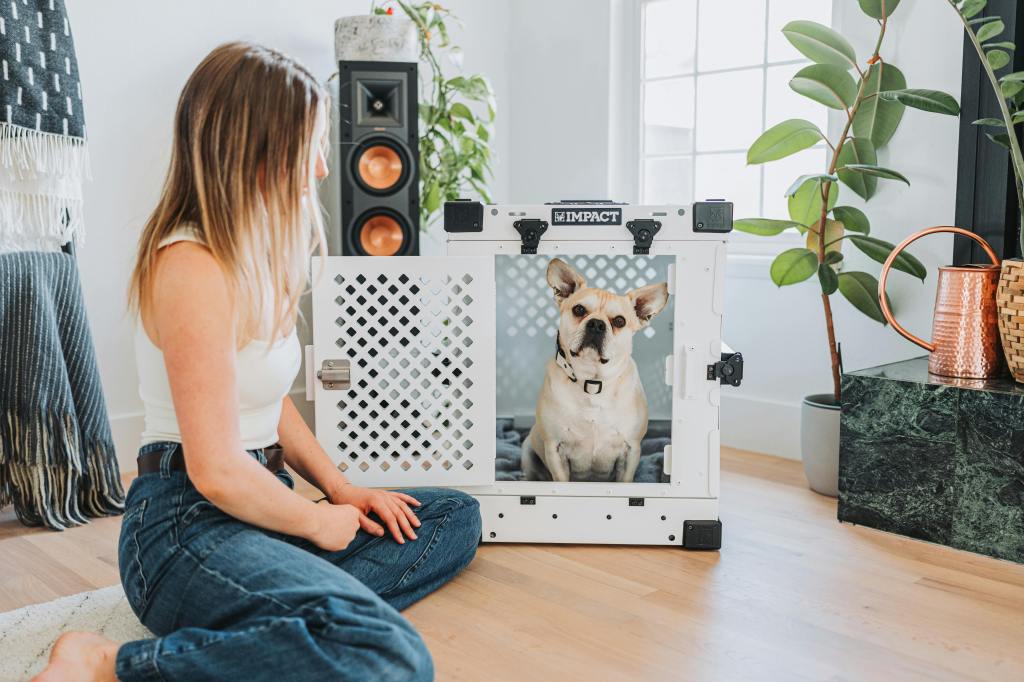
Creating a consistent crate routine for your dog isn’t just about managing your home’s cleanliness or ensuring your pet doesn’t chew on shoes. More importantly, it plays a significant role in supporting your dog’s mental health. Dogs, much like humans, thrive on structure. A well-established crate routine offers a predictable and comforting environment that can help reduce anxiety, foster a sense of security, and support overall emotional well-being.
Crates, when used properly, serve as a personal sanctuary for dogs. They mimic the safety of a den, providing a secure and familiar space that dogs can retreat to when they feel overwhelmed, tired, or anxious. Especially for dogs prone to nervousness or behavioral issues, a crate can become a vital coping tool that reduces stress and promotes calm behavior.
A Proper Crate Routine Can Improve Your Dog’s Mental Health
Dogs are creatures of habit. Establishing a regular crate routine helps them understand what to expect throughout their day. This predictability significantly reduces stress levels and can alleviate symptoms of anxiety. Even dogs with previous trauma or separation anxiety can benefit from knowing they have a safe space to return to.
Crating becomes especially beneficial when you associate it with positive experiences. Treats, toys, or affection during crate time can reinforce the idea that it’s a place of comfort, not punishment. This contributes positively to their mental stability and creates a harmonious daily rhythm.
Key Elements of a Mentally Supportive Crate Routine
Crafting a routine that truly supports your dog’s mental well-being requires thoughtful planning and consistency. Here are some elements to consider:
- Consistent Timing: Set a daily schedule for crate time. This could be during specific hours such as while you’re at work or during your dog’s afternoon nap.
- Comfortable Environment: Make sure the crate has a soft bed, appropriate ventilation, and is located in a calm area of your home.
- Positive Reinforcement: Use treats, praise, or favorite toys to encourage your dog to enter the crate voluntarily.
- Gradual Introduction: Start with short sessions and gradually increase duration to help your dog adjust.
- Routine Integration: Include crate time after play sessions or meals to help your dog wind down.
Benefits of Crating for Dogs with Anxiety
Crating has proven benefits for dogs struggling with anxiety. When integrated properly, it can be a powerful tool for emotional balance. Here are some specific benefits:
- Reduces Overstimulation: Helps your dog retreat from chaotic environments or loud noises.
- Enhances Sleep Quality: A quiet and personal space promotes restful sleep, essential for mental health.
- Builds Confidence: A routine fosters a sense of control and understanding.
- Prevents Destructive Behavior: Reduces stress-induced behaviors like chewing or excessive barking.
- Aids in Separation Anxiety: Creates a reassuring environment that can lessen distress when alone.
According to a study published in the Journal of Veterinary Behavior, dogs provided with enriched crate environments exhibited lower levels of cortisol, a stress hormone, compared to those without crates (source). This highlights how a thoughtful crate routine can make a real difference.
Crate Training Tips That Support Mental Wellness
Establishing a successful routine involves more than timing. The way you approach crate training matters greatly:
- Stay Calm and Encouraging: Your attitude will influence how your dog perceives the crate.
- Avoid Using the Crate for Punishment: This undermines its purpose as a safe space.
- Incorporate Calming Activities: Try placing puzzle toys or chew-safe items to occupy your dog.
- Monitor and Adjust: Pay attention to how your dog responds and adjust the schedule if needed.
- Maintain Consistency: Stick to the routine even on weekends or holidays to reinforce security.
A consistent and caring approach to crate training can significantly improve a dog’s anxiety levels. A 2020 article in Frontiers in Veterinary Science emphasizes that structured environments with safe retreat spaces are crucial for behaviorally challenged pets (source).
Conclusion
Setting a crate routine that supports your dog’s mental health is a compassionate and practical decision. With structure, patience, and positive reinforcement, your dog can learn to view the crate as a sanctuary rather than confinement. Over time, this routine will enhance your pet’s emotional resilience and foster a calm, confident demeanor.For a secure and anxiety-reducing crate experience, consider investing in a quality solution from Impact Dog Crates.
 Dog Anxiety Support
Leave a comment