
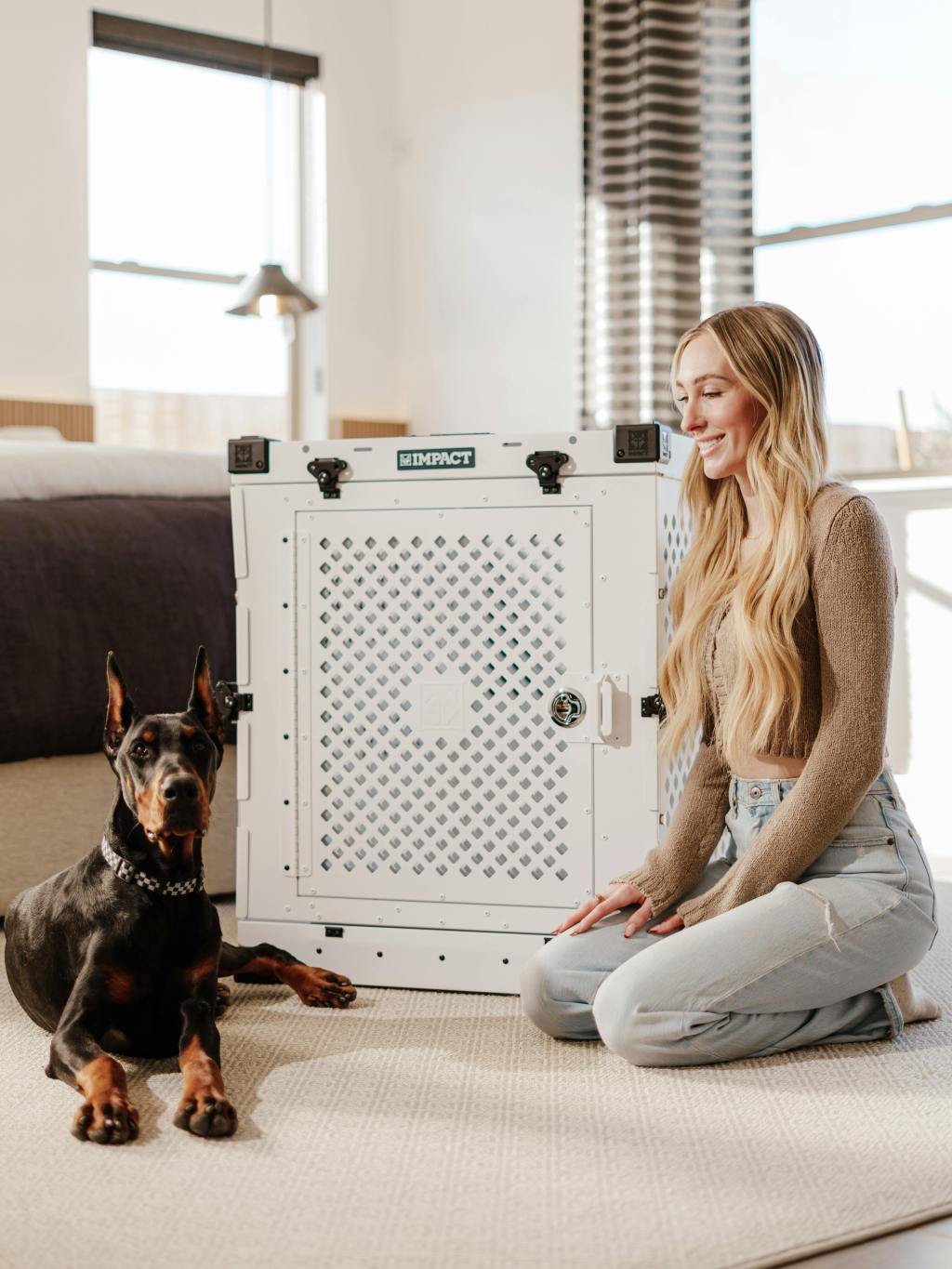
Creating a peaceful and comforting environment for your dog is essential, especially when crate training is part of your routine. A crate is more than just a containment tool; it can serve as a sanctuary where your dog feels safe and relaxed. The process of reinforcing calm behavior within this space takes time, patience, and the right approach, especially for dogs prone to anxiety.
When done correctly, crate training can greatly reduce stress in dogs and help them cope with environmental triggers. Dogs with anxiety, in particular, benefit from a crate that offers a secure and consistent place to retreat. By focusing on calm behavior and setting positive associations, dog owners can turn the crate into a beneficial and soothing space for their furry companions.
How to Reinforce Calm Behavior in the Crate
To reinforce calm behavior in the crate, consistency and positive reinforcement are key. Start by making the crate a positive place with treats, toys, and praise. Gradually increase crate time while your dog is calm, rewarding them only when they’re quiet and relaxed. Avoid letting them out during whining, as it may reinforce anxious behavior.
Short training sessions multiple times a day can help build comfort and routine. Over time, your dog will learn that calm behavior leads to rewards and freedom, creating a cycle of trust and security that makes crate time a positive experience.
Why Crate Training Works for Anxious Dogs
Dogs with anxiety often thrive when they have a dedicated space to call their own. A well-structured crate offers predictability, reducing exposure to overstimulating environments. Crate training provides mental structure and helps regulate emotions through routine.
Studies have shown that dogs who undergo proper crate training exhibit fewer stress indicators and more adaptive behaviors. One such study from the American Veterinary Medical Association highlights how structured environments can significantly improve behavioral outcomes in anxious dogs.
Signs Your Dog Is Responding Well
Once you begin reinforcing calm crate behavior, you’ll likely see subtle signs that your dog is adapting positively:
- Relaxed body language (loose posture, resting head)
- Choosing to enter the crate on their own
- Sleeping soundly or playing with toys inside the crate
- Reduced vocalization when left alone
- Slower, more deliberate breathing patterns
Recognizing these signs early helps build confidence in the training process and encourages ongoing reinforcement.
Techniques to Encourage Calm Behavior
Integrating multiple calming techniques can significantly help your dog adapt to the crate:
- Use a consistent routine: Regular crate times help dogs understand what to expect.
- Incorporate calming scents: Lavender and chamomile have soothing effects.
- Offer enrichment toys: Puzzle feeders or chew toys keep your dog occupied and calm.
- Play calming music: Soft instrumental music can reduce noise-induced stress.
- Use your scent: Including a worn T-shirt can provide comfort.
- Desensitize departure cues: Practice leaving without making it a big event.
These small but impactful habits can help reshape how your dog perceives the crate.
Best Practices for Crate Placement
Where you place your dog’s crate significantly affects their comfort level and willingness to remain calm:
- Quiet, low-traffic areas work best to minimize distractions.
- Avoid direct sunlight or drafts, which can cause discomfort.
- Ensure visibility of family members to prevent feelings of isolation.
- Use crate covers if your dog prefers a more den-like atmosphere.
A thoughtful location sets the stage for a more relaxed crate experience.
Common Mistakes to Avoid
Avoiding certain pitfalls will improve crate training outcomes:
- Never use the crate as punishment: This can create fear and resistance.
- Don’t rush crate time: Allow your dog to set the pace.
- Avoid inconsistent rules: Stay firm on not opening the crate during barking.
- Don’t ignore signs of anxiety: Address early stress to avoid escalation.
- Limit crate time: Over-crating can lead to behavioral issues.
Steering clear of these mistakes helps maintain a healthy relationship between your dog and their crate.
Scientific Support for Crate Training
Research supports the positive impact of crate training on canine behavior. A study published in Frontiers in Veterinary Science found that crate-trained dogs were significantly better at self-soothing and less likely to develop destructive behaviors. The structured use of crates helps anxious dogs learn to cope more effectively with stress.
Conclusion
Teaching your dog to remain calm in the crate is a gradual process but offers profound benefits, especially for dogs with anxiety. By pairing the crate with security, routine, and comfort, you’re not only helping manage their stress but also nurturing a greater sense of trust and independence.
With the right crate, like those offered at Impact Dog Crates, you can ensure your dog has a secure and anxiety-reducing space tailored for their comfort and well-being.
 Dog Anxiety Support
Leave a comment