
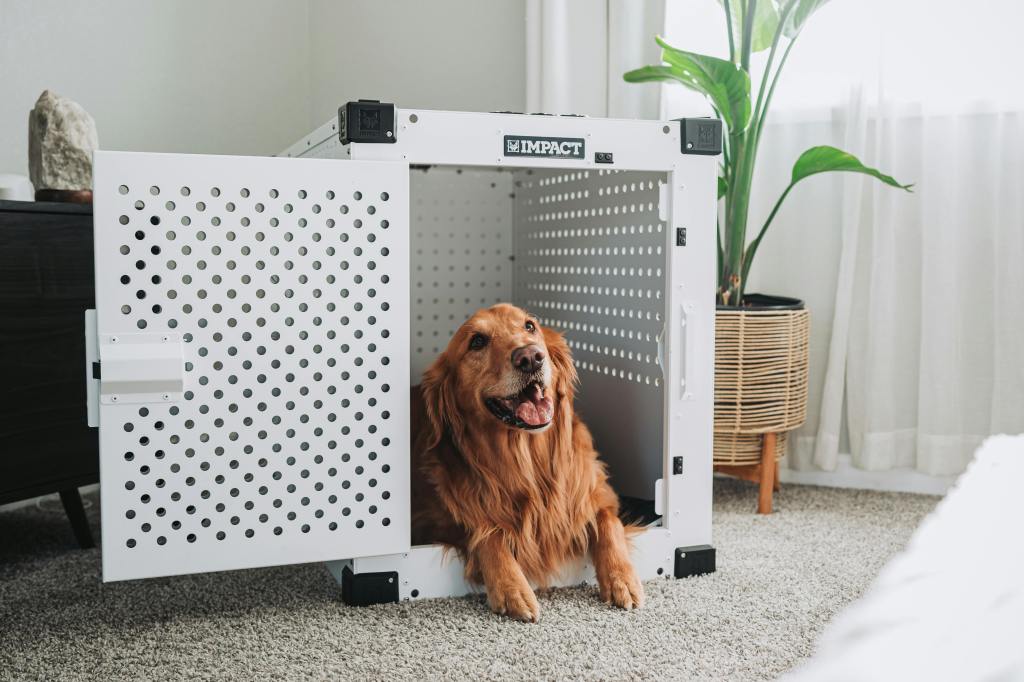
A busy household often means constant activity, unpredictable noise, and a lot of foot traffic. While this environment can be lively and joyful for humans, it can be overwhelming and stressful for dogs, especially those prone to anxiety. Dogs, much like people, need a safe space where they can decompress and feel secure. For an anxious dog, this need is even more critical. In such settings, one effective tool that can make a world of difference is the use of a crate.
When used properly, a crate is not a cage or punishment zone. Rather, it becomes a comforting den where your dog can retreat when things get a bit too much. It offers structure and a sense of routine amidst the chaos. Dogs are den animals by nature, and crates provide them with a cozy spot to call their own. In homes filled with children, guests, music, and daily hustle, a crate can act as an anxiety-reducing sanctuary, offering solace and rest to a sensitive pet.
Can Crate Training Really Help an Anxious Dog?
Yes, crate training can significantly benefit dogs with anxiety. The key lies in how the crate is introduced and used. For a nervous dog, a crate can mimic a den-like environment that naturally reduces stress. The crate becomes a private area where the dog knows it won’t be disturbed. Over time, this builds a positive association with safety and calm.
In a bustling home, creating such a peaceful refuge is essential. It’s important to note that the crate should always remain a positive space. It should never be used for punishment, as this will only worsen the anxiety. When handled with care, crate training provides a reassuring solution that supports emotional stability in dogs.
Why Crates Work Well in Active Homes
A crate serves many useful purposes for anxious dogs in active households. Its benefits include:
- A Quiet Space: Gives your dog a peaceful area to escape noise and activity.
- Predictability: Offers a stable routine and location, which can be grounding for dogs.
- Boundaries: Helps set safe zones, reducing accidental overwhelming interactions.
- Travel Safety: Makes trips to the vet or other locations less stressful.
- Training Aid: Encourages house training and reinforces rules gently.
Crates become even more valuable in homes with children or multiple pets, where boundaries can often be blurred. A crate gives your dog a clear “off-duty” space.
Crate Setup Tips to Soothe Anxiety
Creating the right environment inside the crate is vital for it to be effective. Here are some essentials:
- Soft Bedding: Choose comfortable, washable pads to cushion your dog.
- Dim Lighting: Position the crate in a quieter area with less direct light.
- Favorite Toys: Include items your dog finds comforting.
- Scented Items: A worn t-shirt from the owner can provide comfort through familiar scent.
- Calming Sprays: Products with lavender or pheromones can be sprayed lightly around the crate.
Ensure the crate door is left open when you’re home, so the dog can enter and exit at will. This helps prevent feelings of confinement and reinforces that the crate is a positive zone.
Training Techniques to Foster Positive Associations
Crate training must be gradual and respectful of the dog’s pace. Here are techniques to build a healthy relationship with the crate:
- Start Slowly: Let your dog explore the crate without pressure.
- Use Treats: Encourage entry with favorite treats and praise.
- Meal Time Inside: Feeding meals in the crate creates a positive link.
- Short Stays: Begin with short crate times and slowly increase.
- Consistency: Make crate use a regular part of daily life.
Never force a dog into the crate. Gentle, reward-based training leads to lasting comfort and willingness.
Scientific Support for Crate Benefits
Research has shown that a properly used crate can reduce anxiety in dogs by offering predictability and security. According to a study published in the Journal of Veterinary Behavior, dogs with access to a safe space, like a crate, exhibited fewer signs of chronic stress. These findings highlight how essential such spaces are for mental wellness in pets.
Another study from the American Veterinary Society of Animal Behavior emphasizes the importance of positive reinforcement and stress-reducing strategies in managing canine anxiety. It supports the idea that crates, used properly, contribute to overall behavioral stability.
Conclusion
Busy households don’t have to be a source of ongoing distress for your dog. With thoughtful crate training, you can create a balanced environment that caters to both the energy of your home and the emotional needs of your furry companion. A crate becomes more than just a tool; it transforms into a trusted haven.
By investing time into setting up and training your dog with patience and care, the crate evolves into a cornerstone of comfort. For those looking to help their anxious dog thrive amidst household commotion, consider this gentle and proven method: create a safe and cozy space with the right crate.
 Dog Anxiety Support
Leave a comment