
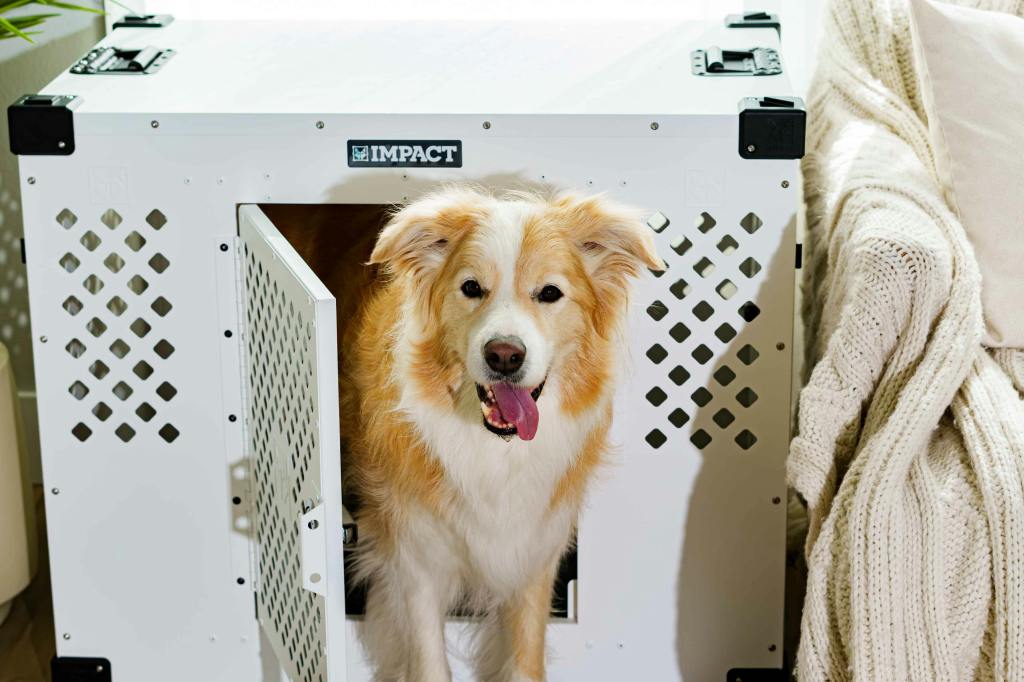
Crating your dog can be a beneficial part of their daily routine, especially for anxious pups who need a safe, quiet place to decompress. However, for nervous dogs, the process of crating can become stressful if common triggers aren’t properly addressed. Understanding how to manage these triggers not only makes crating easier but also transforms it into a comforting and positive experience.
Many pet parents underestimate the psychological impact of certain environments and actions surrounding crate time. By being proactive and positive, you can change your dog’s perception of the crate from a place of confinement to one of comfort and peace. With time and consistency, the crate can become a sanctuary rather than a stressor.
Helping Your Nervous Dog Feel Safe in a Crate
When thinking about how to avoid common triggers when crating nervous dogs, the answer lies in understanding the unique anxieties each dog may face. Dogs, like humans, respond to their environments, and creating a calming, consistent crate routine is crucial.
Start by identifying what causes anxiety: is it the sound of the crate door closing, separation from their favorite human, or perhaps an overstimulating environment? Addressing these aspects individually can make all the difference.
Common Triggers That Stress Out Nervous Dogs
Several factors can act as anxiety triggers for dogs during crating, especially if not properly managed:
- Sudden noises: Slamming doors, loud TVs, or clanking dishes can cause distress.
- Inconsistent crate use: Crating only during stressful times (like when leaving home) can create negative associations.
- Lack of familiarity: Introducing the crate abruptly without a gradual, positive introduction.
- Overstimulation: High-energy households or bright, noisy environments can make it difficult for dogs to relax.
- Poor crate placement: Crates placed in high-traffic areas may prevent your dog from feeling secure.
Steps to Reduce Anxiety When Crating
To foster a sense of calm and safety, use the following steps:
- Gradual desensitization: Introduce the crate slowly, allowing your dog to explore it at their own pace.
- Positive reinforcement: Use treats and praise whenever your dog chooses to enter the crate on their own.
- Routine building: Make crating part of a daily routine to build familiarity and reduce unpredictability.
- Soothing additions: Place comforting items inside like a favorite toy or a piece of clothing with your scent.
- Ambient noise: Use white noise machines or soft music to mask sudden, startling sounds.
Why Crating Can Help with Canine Anxiety
Crating, when done thoughtfully, provides structure and a sense of security, especially for anxious dogs. A well-designed crate serves as a den-like space where your dog can retreat to feel protected from external stressors.
Scientific research supports the benefits of providing dogs with a safe space. A study published in the journal Animals discusses how confinement areas can reduce cortisol levels (a stress hormone) in dogs when introduced positively (source).
Creating a Positive Crating Experience
You can help your dog associate the crate with positivity using a few simple strategies:
- Feed meals inside the crate to build positive associations.
- Make crate time part of relaxing routines, like post-walk naps.
- Never use the crate for punishment.
- Reward calm behavior inside the crate.
- Keep the crate door open at times, allowing voluntary entry and exit.
Best Crate Features for Nervous Dogs
Not all crates are created equal, especially for dogs prone to anxiety. The right features can significantly influence your dog’s comfort level:
- Ventilation: Proper airflow helps keep the crate environment calm.
- Durable materials: Nervous dogs may chew or scratch, so sturdy construction is essential.
- Visibility control: Covered sides or partial coverage to limit visual stimuli.
- Noise reduction: Quiet latches and stable structures reduce noise triggers.
- Mobility options: Wheels or lightweight designs for easier repositioning to quieter spaces.
Long-Term Benefits of Crate Training Anxious Dogs
Beyond the immediate relief from anxiety triggers, long-term crate training builds emotional resilience in dogs. When the crate becomes a safe haven, dogs have a reliable space to turn to during thunderstorms, travel, or when guests visit.
Research from the American Kennel Club also highlights that crate training can aid in reducing separation anxiety, especially when used as part of a broader behavioral modification plan (source).
Conclusion
Helping your nervous dog feel comfortable in a crate is not about forcing compliance, but about creating a supportive environment where trust and calm can flourish. By identifying and managing common triggers, using positive reinforcement, and investing in the right equipment, you set the stage for long-term success.Give your dog the gift of a secure space that feels like home. Discover anxiety-reducing crate designs at Impact Dog Crates.
 Dog Anxiety Support
Leave a comment