
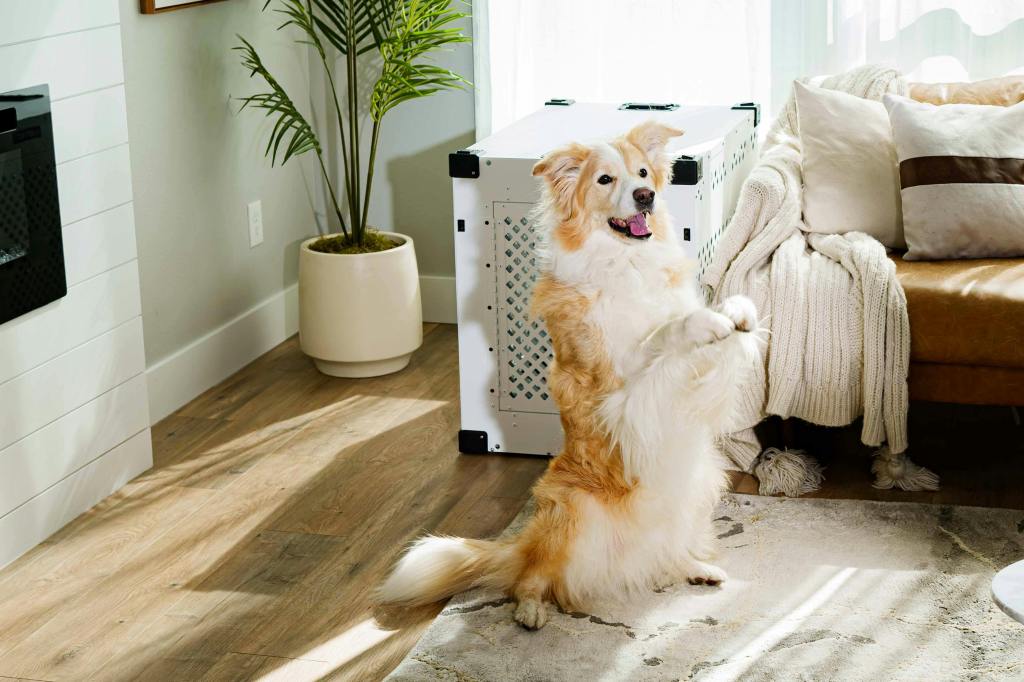
Family transitions are exciting milestones, but they can also introduce major changes to the household dynamic. Whether it’s welcoming a new baby, relocating to a new home, or shifting daily routines, these events can unintentionally trigger anxiety in our furry companions. Dogs, like humans, thrive on stability and familiarity. When their environment is disrupted, it can lead to stress-induced behaviors such as excessive barking, hiding, destructiveness, or even regression in training.
Crates serve as a practical and comforting solution for dogs facing these upheavals. A well-introduced crate becomes a sanctuary—a space where your dog feels safe, secure, and in control despite the changes happening around them. Rather than being seen as confinement, a crate acts as a den-like retreat, which is instinctively calming for many dogs. This becomes especially important during times of household transformation when your dog might feel overwhelmed or unsure about their place in the new arrangement.
Why Crating Eases Anxiety During Major Life Changes
Crating offers consistency and routine, two pillars of canine comfort. Amidst a whirlwind of changes—from moving boxes and new baby cries to altered walking schedules—a crate remains a constant in your dog’s life. This predictable refuge helps mitigate the stress that comes with unpredictability.
By providing a dedicated space for rest and retreat, crates help dogs self-soothe and adapt more easily. This controlled environment allows them to withdraw when needed, reducing the likelihood of anxiety-driven behaviors. The calming effect is backed by science, as studies indicate that controlled exposure to a crate can significantly lower stress levels in dogs (source).
Key Benefits of Crate Training During Transitions
A crate’s effectiveness is most evident during specific transitional phases. Here are several ways crates help ease the stress associated with major life changes:
- Helps dogs adjust to a new baby: Dogs may react with confusion or jealousy when a baby enters the picture. A crate allows them to retreat when the noise and new smells become too much, helping prevent overstimulation.
- Eases the stress of moving to a new home: In a new environment, a crate provides a familiar object with a consistent scent. This touchstone of familiarity can speed up the acclimation process.
- Supports recovery after travel or long car rides: After a potentially disorienting journey, a crate offers a known and peaceful environment to recover.
- Aids in separation anxiety during changes in schedule: If a family member starts a new job or school schedule, dogs can feel abandoned. A crate helps by creating a positive space that they associate with calm alone time.
- Prevents destructive behavior: Anxiety often leads to chewing, scratching, or house soiling. A crate protects both your dog and your home by limiting their access while providing mental ease.
Setting Up a Crate for Anxiety Relief
To maximize the calming benefits, it’s important to set up the crate thoughtfully:
- Choose a quiet, low-traffic area: This helps reduce overstimulation.
- Make it cozy: Use soft bedding and add a favorite toy or two.
- Avoid using it as punishment: This ensures positive associations.
- Stick to a routine: Encourage crate time at consistent intervals.
- Reward crate use: Use treats and praise to reinforce positive behavior.
Training your dog to view the crate as their safe zone takes patience but pays off in times of stress. As a routine is established, most dogs voluntarily retreat to their crate when they need a break, giving them autonomy and comfort.
Scientific Support for Crate Use
Scientific studies continue to validate crate use as a beneficial tool for canine anxiety management. One study found that dogs with access to a personal space such as a crate had lower cortisol levels, a hormone linked to stress (source). The data supports that crates, when used correctly, don’t just manage anxiety symptoms—they actively contribute to reducing stress markers in dogs.
Signs Your Dog Might Need a Crate
Recognizing anxiety symptoms early can help prevent escalation. Here are signs that a crate could benefit your dog:
- Pacing or panting excessively
- Destructive chewing
- Hiding or clinging to family members
- Whining, barking, or howling when left alone
- Sudden aggression or irritability
In these instances, introducing a crate can be a proactive measure. It provides structure, limits stimuli, and teaches your dog to self-regulate their emotional responses.
Conclusion
Major life transitions don’t have to spell chaos for your canine companion. With the help of a thoughtfully used crate, dogs can navigate these changes with reduced anxiety and improved emotional stability. Crates offer more than confinement; they are a tool for empowerment, giving dogs the means to feel secure amidst the unknown.
Whether you’re preparing for a move, expecting a new family member, or simply altering your household routine, a crate can be a game-changer in your dog’s emotional well-being. If you’re considering this approach, explore high-quality crate options that prioritize comfort and durability at Impact Dog Crates.
 Dog Anxiety Support
Leave a comment