
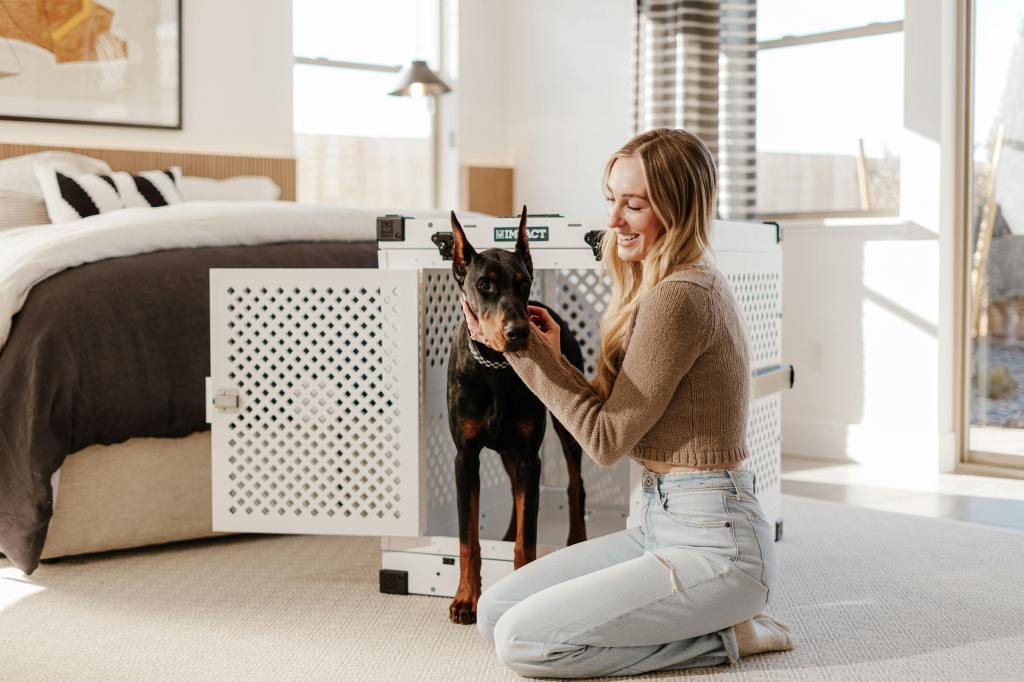
Crate training is often one of the most beneficial methods for creating a safe, structured environment for dogs. However, not all dogs take naturally to crates, and many may exhibit signs of crate aversion, such as whining, barking, or attempting to escape. These behaviors often stem from anxiety, past trauma, or negative associations with confined spaces. Helping a dog overcome crate aversion takes patience, understanding, and a well-thought-out plan that prioritizes the dog’s comfort and emotional well-being.
For dogs struggling with anxiety, the crate should represent a calm retreat rather than a form of punishment. A properly introduced crate can become a therapeutic tool, promoting feelings of safety and control. In fact, a secure crate space can significantly reduce anxiety-related behaviors in dogs by providing a consistent and predictable sanctuary. As pet owners, transforming the crate from a source of stress into a refuge is both an achievable and deeply rewarding journey.
Step-by-Step Approach to Reducing Crate Aversion
Helping dogs overcome crate aversion step-by-step involves creating positive associations and progressing at the dog’s own pace. It requires patience, empathy, and consistency, but the results are well worth the effort.
Begin by making the crate an inviting space. Place it in a quiet area of the home where your dog feels comfortable. Keep the door open and fill the crate with your dog’s favorite blanket, toys, or even a worn t-shirt that carries your scent. Let your dog explore the crate without any pressure.
Once your dog starts going into the crate voluntarily, reward this behavior with treats and verbal praise. Gradually start feeding your dog meals inside the crate, slowly closing the door for short periods while they eat. Over time, extend the duration with the door closed, always ensuring your dog remains calm and comfortable.
Signs of Progress to Look For
As your dog becomes more comfortable with the crate, you’ll notice positive behavioral changes:
- Voluntarily entering the crate
- Relaxed posture while inside
- Decreased whining or barking
- Falling asleep in the crate
- Less resistance to crate time
Benefits of Crating for Dogs with Anxiety
For dogs with anxiety, especially those triggered by separation or noise, crates can offer immense relief. A crate becomes their personal space, free from overwhelming stimuli. According to a study published in Veterinary World, crate training, when done correctly, has a calming effect on dogs with behavioral issues linked to anxiety (Veterinary World Research).
Additional benefits for anxious dogs include:
- Reduced destructive behavior when left alone
- Better sleep patterns
- Increased sense of security
- Enhanced response to training and routines
Creating Positive Associations
The cornerstone of overcoming crate aversion is establishing positive associations. This can be achieved by:
- Using high-value treats and praise
- Placing favorite toys inside the crate
- Playing crate-related games
- Avoiding forceful or sudden crating
- Ensuring the crate is never used as punishment
Choosing the Right Crate
The type of crate plays a crucial role in your dog’s comfort. A crate should be appropriately sized—large enough for the dog to stand, turn around, and lie down comfortably. For anxious dogs, solid-sided crates or ones with visual barriers can reduce external stimuli, providing a cozier, den-like feel.
Durable, escape-proof crates are especially beneficial for dogs with high anxiety, as they prevent injuries and build a stronger sense of security. When selecting a crate, ensure it aligns with your dog’s temperament and specific needs.
Techniques for Persistent Aversion
Some dogs may need additional strategies to fully embrace crate time. In such cases, consider:
- Using calming aids like pheromone diffusers
- Introducing crate training after exercise
- Incorporating crate time into daily routines
- Consulting with a professional trainer or behaviorist
Behavioral conditioning over time will help even the most crate-averse dog view the crate as a safe haven. Studies show that behavioral interventions coupled with safe confinement strategies significantly improve anxiety symptoms (Research from Applied Animal Behaviour Science).
Conclusion
Crate aversion is not insurmountable. With the right approach, patience, and positive reinforcement, any dog can learn to see their crate as a secure and comforting space. The key lies in gradual acclimation and consistent, loving interaction.
A well-chosen, thoughtfully introduced crate doesn’t just house a pet; it nurtures their well-being. Explore anxiety-reducing, escape-proof options at Impact Dog Crates to begin your dog’s journey to a calmer, happier life.
 Dog Anxiety Support
Leave a comment