
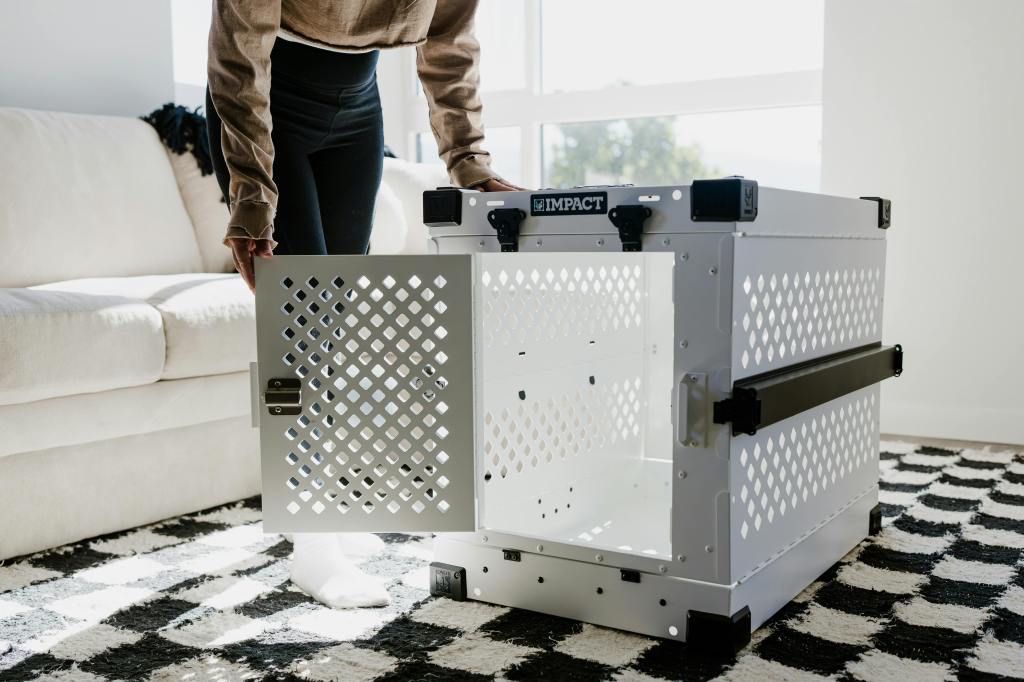
Introducing a puppy to crate training is one of the most valuable steps a pet owner can take to establish a foundation of trust, safety, and well-being. For puppies that exhibit signs of anxiety, crate training is not simply a method of housebreaking—it’s a way to create a comforting sanctuary. When approached with compassion and patience, a crate becomes a puppy’s personal haven where they can rest, feel protected, and gradually build confidence in their surroundings.
The process of crate training might initially appear intimidating, especially for pet parents who fear it could increase their dog’s anxiety. However, studies and expert observations reveal that, with proper methods, crate training helps prevent and even alleviate anxiety in puppies. A crate can help reduce overstimulation, provide a sense of ownership and territory, and teach self-soothing techniques in a secure and predictable environment. It’s a gentle introduction to independence and structure.
How Crate Training Eases Puppy Anxiety
Crate training offers a solution to one of the most common behavioral challenges in puppies: separation anxiety. When introduced properly, the crate becomes associated with rest and peace rather than isolation. The goal is to help puppies see the crate as a part of their routine—a positive and reliable space where nothing bad ever happens.
By spending time in the crate in a non-stressful way, puppies learn to settle themselves, even when their favorite humans are not around. The enclosed environment also limits external stimuli, making it easier for the puppy to rest and calm down. According to one research study from the National Library of Medicine, structured environments and limited stimulation are key in reducing stress behaviors in dogs.
Key Benefits of Crate Training for Anxious Puppies
When introduced correctly, crate training offers multiple advantages, especially for puppies experiencing early signs of anxiety:
- Provides a Personal Den: The crate becomes a comforting “den-like” space that promotes calmness and familiarity.
- Reduces Destructive Behavior: Anxiety can lead to chewing, digging, or whining. Crates limit this by offering a secure space for your pup.
- Supports Housebreaking: Dogs generally avoid soiling their resting area, making crate training a natural tool for toilet training.
- Simplifies Travel and Vet Visits: When accustomed to the crate, trips to the vet or traveling becomes much less stressful for both the puppy and the owner.
- Encourages Routine and Structure: Predictability is key in reducing anxiety, and crate training helps establish a routine puppies can rely on.
Positive Crate Introduction Steps
A positive and gentle introduction to the crate is essential. Rushing or using the crate as punishment can create negative associations, so start slow and stay patient:
- Right Size Crate: Choose a crate large enough for your puppy to stand, turn around, and lie down, but not so big they can eliminate in one corner.
- Make It Inviting: Add a soft blanket, some favorite toys, and maybe even a worn T-shirt that smells like you to create a cozy environment.
- Introduce Gradually: Leave the crate door open and let your puppy explore it on their own terms. Use treats and praise to encourage entry.
- Keep Sessions Short: Initially, keep crate times brief. Once your puppy is comfortable, gradually increase the duration.
- Never Force or Punish: Forcing a puppy into a crate can trigger fear. Always associate crate time with calm, positive experiences.
Building Positive Associations with the Crate
Reinforcement is a powerful tool. Creating a crate-friendly atmosphere means consistently linking it with positive experiences. Here’s how to strengthen those associations:
- Reward Calm Behavior: Give treats and praise when your puppy enters the crate or stays calm inside.
- Feed Meals in the Crate: Feeding your puppy in the crate builds a positive connection.
- Interactive Toys: Safe chew toys or stuffed Kongs can keep them engaged and reduce boredom.
- Use a Cue Word: Words like “crate” or “home” can help signal it’s time to relax in the crate.
Observing and Responding to Signs of Anxiety
It’s crucial to observe how your puppy reacts to crate training. While a bit of whining at first is normal, persistent signs of distress should be addressed:
- Excessive Barking or Digging: These may suggest your puppy is not yet comfortable. Go back a few steps and slow the process.
- Panting or Drooling: Stress-related behaviors like these are worth noting. Consider shorter crate sessions or enrichment activities before crating.
- Consult a Professional: If your puppy continues to struggle, seeking help from a trainer or behaviorist can offer tailored solutions.
In one research summary from the Journal of Veterinary Behavior, behavioral therapy combined with structured training like crate acclimation is shown to significantly reduce anxiety levels in dogs.
Conclusion
Introducing your puppy to a crate doesn’t have to be a daunting task. When handled with empathy and gradual exposure, the crate becomes a safe, cherished space where your puppy can unwind and self-regulate. It becomes a cornerstone in developing a confident, balanced adult dog who feels secure in their environment.
For anxious puppies especially, the right crate can make all the difference. Explore the Impact High Anxiety Dog Crate to give your pup the safest, most supportive start on their journey to becoming a calm and happy dog.
 Dog Anxiety Support
Leave a comment