
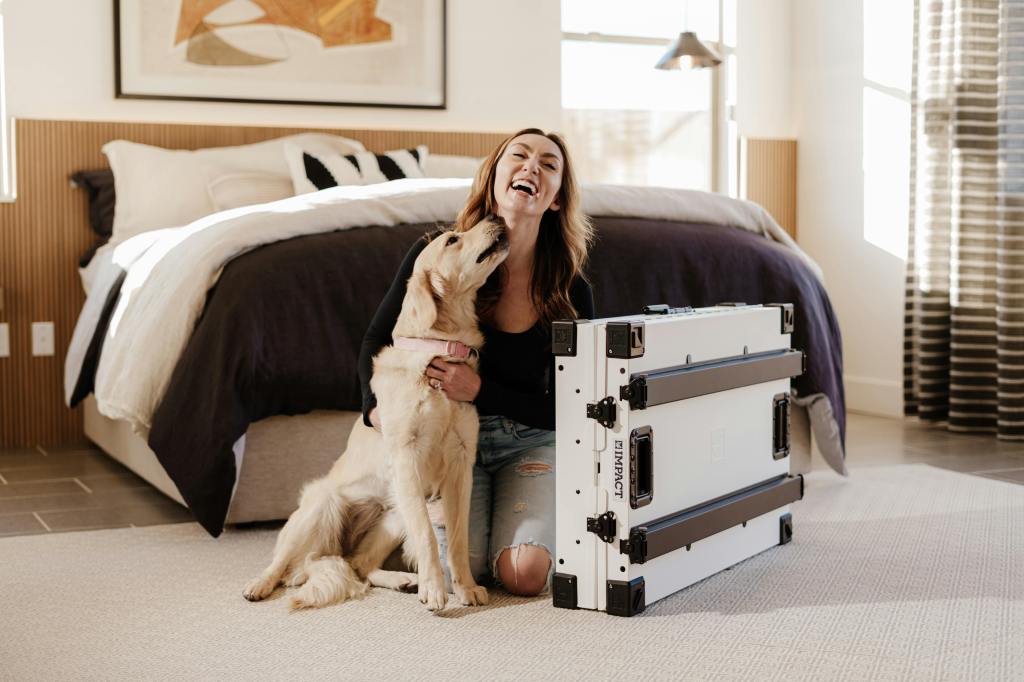
For many shelter dogs, life has been unpredictable. They may have experienced neglect, abandonment, or trauma, and even those who haven’t had difficult pasts often struggle with the overstimulation of a shelter environment. Amidst the noise and constant activity, these dogs need a safe haven to retreat and recalibrate. Crate training, when approached with care and compassion, becomes not just a method of housebreaking but a vital part of a dog’s healing journey.
Crates, when used correctly, provide shelter dogs with a sense of security and personal space. It’s a way to offer them predictability in an otherwise chaotic world. This recovery-focused approach emphasizes the crate as a positive, comforting space rather than a place of confinement. In fact, for dogs with anxiety, this strategy can significantly aid in their emotional regulation and overall well-being. When a crate becomes a den-like refuge, it supports behavioral improvements and boosts their chances of a successful transition into a forever home.
Why Crate Training Works for Anxious Shelter Dogs
Anxious shelter dogs often suffer from hypervigilance and restlessness. They may bark excessively, exhibit destructive behavior, or have difficulty trusting humans. Crate training provides a structured environment that helps them decompress. Because many of these dogs have never had a space to call their own, the crate becomes a unique, safe corner where they can relax without fear.
This type of focused training has been shown to reduce stress levels in dogs. According to research published in the Journal of Veterinary Behavior, dogs housed in enriched kennel environments, including crate-like spaces, showed decreased cortisol levels compared to those in standard shelter housing. The article emphasized the importance of environmental enrichment to mitigate stress responses, especially in dogs with histories of trauma (source).
Benefits of Crate Training During the Recovery Process
A recovery-focused crate training method offers numerous benefits that align with both mental and physical healing for shelter dogs. These advantages go beyond traditional training goals, touching deeply on the dog’s emotional health.
- Reduces Overstimulation: Shelters are noisy and busy. A crate gives the dog a break from sensory overload.
- Promotes Predictable Routines: Dogs thrive on structure. Crates help them anticipate sleep and quiet times.
- Supports Confidence Building: A dog that learns they can control their environment becomes more confident.
- Improves Sleep Quality: Just like humans, dogs recover better when well-rested. A crate offers uninterrupted rest.
- Assists with Potty Training: Shelter dogs often need help re-learning house behaviors. Crates accelerate this learning.
- Prevents Resource Guarding: A crate can help dogs feel secure about their food and toys without needing to guard them.
- Facilitates Better Socialization: When dogs are less anxious, they are more open to bonding with humans and other pets.
Creating a Healing Environment Inside the Crate
For the crate to be truly therapeutic, it needs to be more than a physical space—it must represent emotional safety. This involves intentionally designing the crate’s interior and the routines surrounding its use.
- Use Soft Bedding: Comfort is crucial. Soft, washable bedding can make the crate feel like a cozy nook.
- Add Familiar Scents: Items that carry the scent of a foster caregiver or adopter can be calming.
- Include Chew Toys: These not only provide entertainment but also relieve stress.
- Maintain a Calm Environment: Place the crate in a quiet corner of the shelter or home to promote rest.
- Consistent Schedule: Let the dog enter and leave the crate at regular times to reduce anxiety.
- Never Use for Punishment: The crate should always be a positive space, never associated with fear or discipline.
Long-Term Psychological Benefits of Crate Training
When incorporated into a dog’s rehabilitation journey, crate training has long-lasting effects on their mental health and adaptability. The sense of ownership and security the crate offers often translates into improved behavior in adoptive homes.
- Reduces Incidence of Separation Anxiety: Dogs with positive crate experiences are better equipped to handle being alone.
- Encourages Independence: Crates teach dogs that solitude can be safe and peaceful.
- Improves Emotional Resilience: Dogs learn to self-soothe, a critical skill in any new environment.
- Strengthens Human-Dog Bonds: Trust is built when the dog feels respected and safe, making adoption smoother.
Research in Applied Animal Behaviour Science supports these claims, showing that dogs provided with individualized resting spaces, such as crates, demonstrated lower behavioral signs of distress and higher adaptability in post-adoption environments (source).
Conclusion
Crate training, particularly when applied with a recovery-focused mindset, transforms the way shelter dogs experience their environment. It’s more than a training technique; it’s a therapeutic tool that helps rebuild trust, reduce anxiety, and prepare dogs for successful adoption. When we understand crates as spaces of refuge rather than restriction, we open new doors to compassionate rehabilitation.For dogs coping with anxiety, the right crate can be the first step toward emotional healing. Discover how recovery-focused crate training can make a difference at Impact Dog Crates.
 Dog Anxiety Support
Leave a comment