
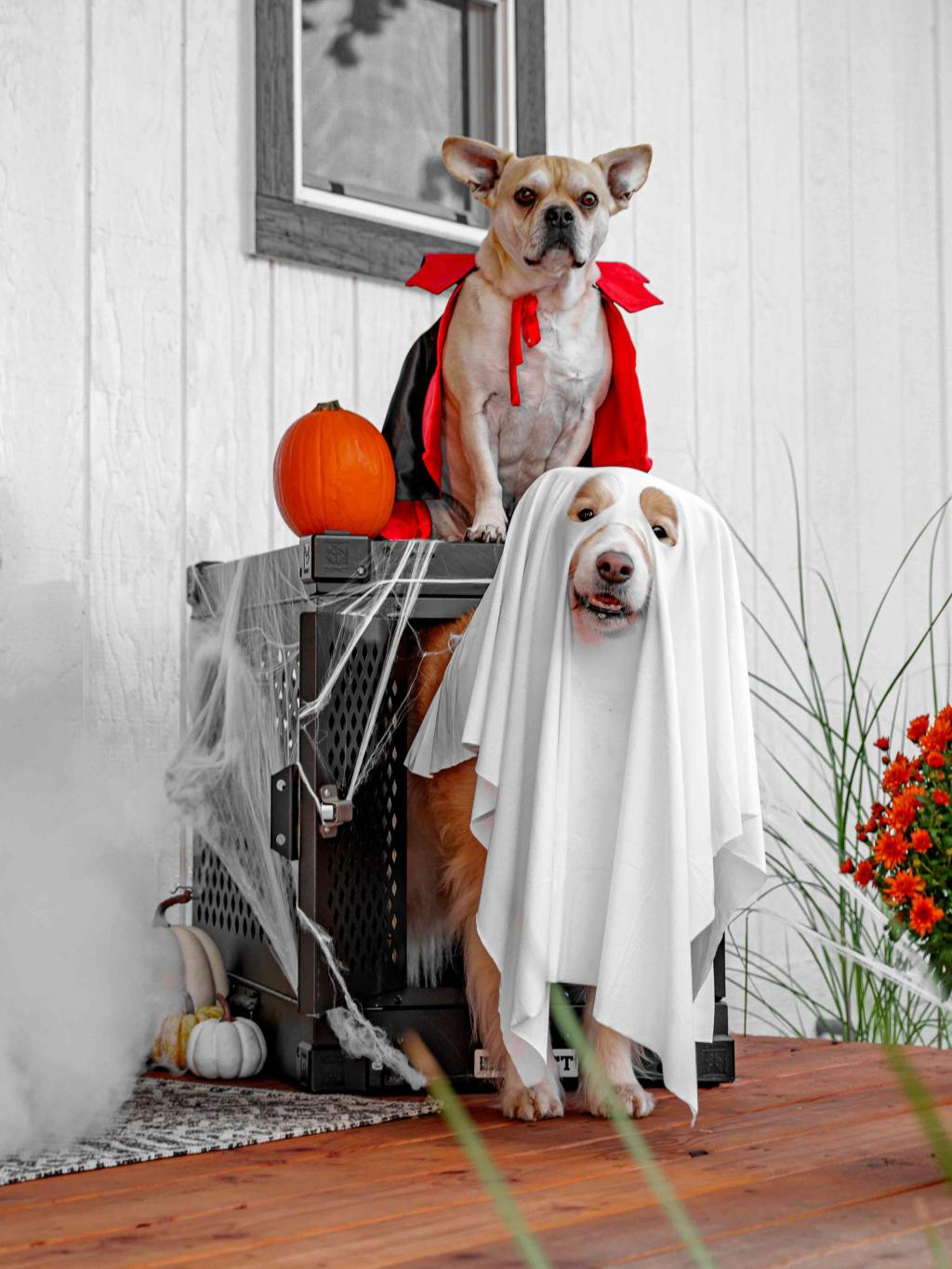
Every dog deserves a safe space to retreat to, especially when anxiety strikes. Whether it’s due to loud noises, separation, or changes in the environment, dogs can benefit greatly from a well-designed crate setup. Not only does a crate provide security, but with thoughtful additions and a calming ambiance, it becomes a haven that significantly reduces anxiety levels. With the right setup, your dog won’t just tolerate their crate—they’ll love it.
Understanding the emotional needs of anxious dogs is key. These dogs aren’t just nervous; their bodies and minds react intensely to stress, much like humans. By turning a crate into a comforting den, you’re tapping into a dog’s natural instincts. This environment helps lower cortisol levels and fosters a feeling of control and safety, which is essential for managing anxiety.
Creating a Calming Crate Setup for Immediate Relief
The key to a calming crate setup is replicating the cozy, secure feeling of a den. Dogs are den animals by nature, so your goal is to mimic this instinctive sanctuary. Doing so not only soothes nerves but also prevents behaviors like destructive chewing, barking, or whining.
Start by placing the crate in a quiet, low-traffic area of your home. Away from doors and windows, this spot should remain consistent to create a sense of routine. A familiar location helps dogs feel more grounded and less reactive to external stimuli.
Essentials That Make a Difference
To make your dog’s crate as anxiety-reducing as possible, include elements that cater to all their senses.
- Soft Bedding: Use orthopedic or memory foam bedding with washable covers to enhance comfort.
- Aromatherapy: Lavender and chamomile scents have been shown to reduce stress in dogs.
- Sound Therapy: Low-frequency music or white noise machines can mask frightening sounds like thunder.
- Visual Barriers: Covering the crate with a breathable, light-blocking fabric can reduce visual triggers.
- Toys and Chews: Offer safe chew toys or treat-dispensing puzzles to provide mental stimulation.
Lighting and Environment Tips
A calming ambiance can dramatically improve how fast a dog relaxes in their crate. Lighting plays a subtle yet powerful role in this setup.
- Dim Lighting: Avoid bright overhead lights near the crate. Use soft LED lamps instead.
- Temperature Control: Ensure the space remains comfortably cool or warm depending on the season.
- Routine and Familiarity: Place a shirt with your scent inside the crate to provide emotional reassurance.
Science Behind the Setup
According to a 2020 study by the Journal of Veterinary Behavior, environmental enrichment and proper crate design significantly influence a dog’s stress levels. Dogs exposed to thoughtfully structured environments showed faster recovery from stress-inducing events and exhibited fewer signs of anxiety.
Similarly, a Cornell University College of Veterinary Medicine resource emphasizes the importance of predictability and comfort in reducing canine anxiety. Their research supports the idea that simple changes, like using scent cues and consistent environments, can have a profound impact.
Comfort Items to Include
Adding comfort items doesn’t just make a crate cozy—they can become emotional anchors for anxious dogs.
- Plush Toys: Select a toy your dog can cuddle with.
- Weighted Blankets: The gentle pressure can mimic a calming hug.
- Crate Mats with Cooling/Warming Features: Depending on the weather, these can enhance physical comfort.
- Anti-Anxiety Vests or Wraps: Some can be worn in the crate and promote calm through pressure.
Crate Design Considerations
While accessories help, the crate itself must also promote calm. Choose one that feels den-like but is breathable and secure.
- Solid Sides: These reduce exposure to visual stimuli.
- Durability: A strong crate helps dogs feel safe, especially if they’ve experienced crate escape anxiety.
- Proper Sizing: Ensure it’s large enough for movement but small enough to feel cozy.
- Ease of Access: A front and side door allow your dog to choose how they enter, giving them control.
Conclusion
A calming crate setup isn’t just about aesthetics—it’s about creating an environment that speaks to your dog’s emotional and physical needs. By incorporating soft materials, familiar scents, dim lighting, and a predictable routine, you build a space that actively helps reduce anxiety.
Transforming your dog’s crate into a peaceful retreat takes a little effort but yields tremendous benefits. For dogs with anxiety, the right setup can mean the difference between dread and comfort. Explore durable, secure options that support anxious dogs at Impact Dog Crates.
 Dog Anxiety Support
Leave a comment