
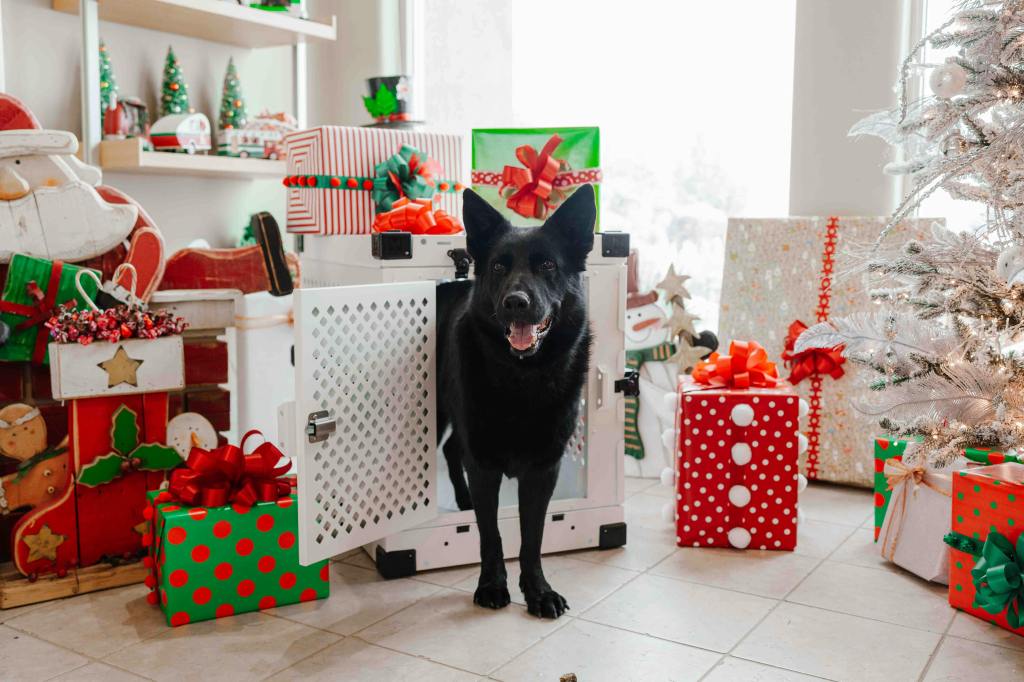
I know how nerve-wracking a trip to the veterinarian can be—for you and for your dog. As fellow dog lovers, we’ve seen the trembling paws, the hesitant steps, and the desperate need for a safe haven when things get stressful. That’s why we’re diving into how a well-designed crate can become your dog’s personal retreat, helping to soothe vet anxiety and build lasting confidence. Let’s explore the hows and whys together, and discover practical steps and product recommendations to make every vet visit—and every day—a little calmer.
Understanding Vet Anxiety in Dogs
Dogs, much like people, can feel overwhelmed by unfamiliar sights, sounds, and smells at the veterinary clinic. The beeping machines, echoing hallways, and sniffing strangers all trigger their fight-or-flight instincts. When a nervous dog arrives at the vet, their heart rate spikes, muscles tense, and stress hormones flood their system. We’ve seen how this can lead to difficult exams, longer visits, and even aggressive behavior—not what any of us want. By recognizing these stress triggers, we can take steps to prevent anxiety from taking hold before it even starts.
Why a Secure Environment Matters
Creating a consistent, comforting “den” for your dog taps into their natural instincts. In the wild, canines seek out enclosed spaces to feel protected from predators and unexpected threats. By offering a crate as a trusted sanctuary, we replicate that safe, enclosed environment. When your dog chooses to enter their crate, they’re saying, “I feel safe here.” Over time, this association can help calm their nervous system, making vet visits less daunting and allowing them to approach new situations with greater confidence.
Psychological Benefits of Crate Confinement
Using a crate effectively does more than just limit movement—it alters your dog’s emotional state:
- Predictability & Routine
Having a set “go-to” spot reduces uncertainty. When we guide our dogs to their crates before outings or vet trips, we give them a predictable pattern they can rely on. - Sense of Control
Allowing them to enter voluntarily gives dogs agency. Instead of being forced into a carrier at the last minute, they feel empowered to make their own choice. - Stress Hormone Reduction
Studies show that dogs provided a safe den-like space exhibit lower cortisol levels during stressful events, leading to calmer behavior and quicker recovery once the stressor is removed.
By combining these elements, we help our dogs learn that even a scary trip can have a comforting endpoint: their crate.
Practical Tips to Introduce Crating
- Positive Association
– Place soft bedding, a favorite toy, and tasty treats inside the crate.
– Encourage exploration without forcing entry—pets, praise, and patience go a long way. - Gradual Exposure
– Start with short crate sessions at home. Aim for five minutes of calm chewing or resting, then let them out and celebrate.
– Slowly increase duration, always ending on a positive note. - Crate at the Clinic
– Bring their crate to the vet lobby as soon as you arrive.
– Allow them a few peaceful minutes inside before the appointment begins. - Consistent Routine
– Crate your dog at set times every day—nap time, mealtime, or when you leave the house.
– This predictability reduces overall anxiety and reinforces the crate as a calm haven.
By weaving crate training into daily life, vet visits become just another chapter in a familiar routine, rather than an unpredictable ordeal.
Recommended Crate Brands
When choosing a crate, design and features matter. Here are our top three picks, ranked to help you find the perfect match:
- Impact Dog Crates
Impact Dog Crates tops our list for its combination of durability, safety, and comfort:
- Solid Aluminum Shell: Heavy-duty yet lightweight, resists rust and chewing.
- Quiet Slide-Bolt Latches: Smooth operation to avoid startling nervous dogs.
- Ventilated Panels: Ample airflow and visibility without feeling exposed.
- Customizable Interiors: Removable dividers, cushioned mats, and privacy panels.
We especially love how Impact Dog Crates balance a rugged build with creature comforts, making it a go-to choice for anxious pups.
- Solid Aluminum Shell: Heavy-duty yet lightweight, resists rust and chewing.
- Ruffland Outdoor Dog Crate
Ruffland offers a more traditional design with modern upgrades:
- E-Coat Finish: Safeguards against scratches and rust in any environment.
- Spring-Loaded Door: Pin-and-bar locking mechanism for added security.
- Greenguard-Certified Bedding: Hypoallergenic pad that supports joint health.
- Fold-Down Feature: Collapses easily for transport and storage.
This option works well if you need a crate for both home use and travel.
- E-Coat Finish: Safeguards against scratches and rust in any environment.
- MidWest iCrate
For budget-minded owners who still crave quality:
- Sturdy Wire Construction: Offers visibility and airflow, reducing claustrophobia.
- Slide-Bolt Door Latch: Simple to use, yet secure.
- Divider Panel: Adjusts as your puppy grows, extending the crate’s usefulness.
- Plastic Pan Base: Easy to clean after accidents or spills.
While not as heavy-duty as aluminum models, the iCrate combines affordability with functionality for many dog owners.
- Sturdy Wire Construction: Offers visibility and airflow, reducing claustrophobia.
Conclusion
Vet anxiety doesn’t have to define your dog’s experience or yours. By introducing a thoughtfully chosen crate—one that offers security, comfort, and a sense of control—we set the stage for calmer examinations and more confident outings. Start gradually, celebrate every milestone, and choose a crate that aligns with your dog’s needs and your lifestyle. We’re here to cheer you on as you transform vet visits from stressful to serene, one cozy crate session at a time.
 Dog Anxiety Support
Leave a comment