
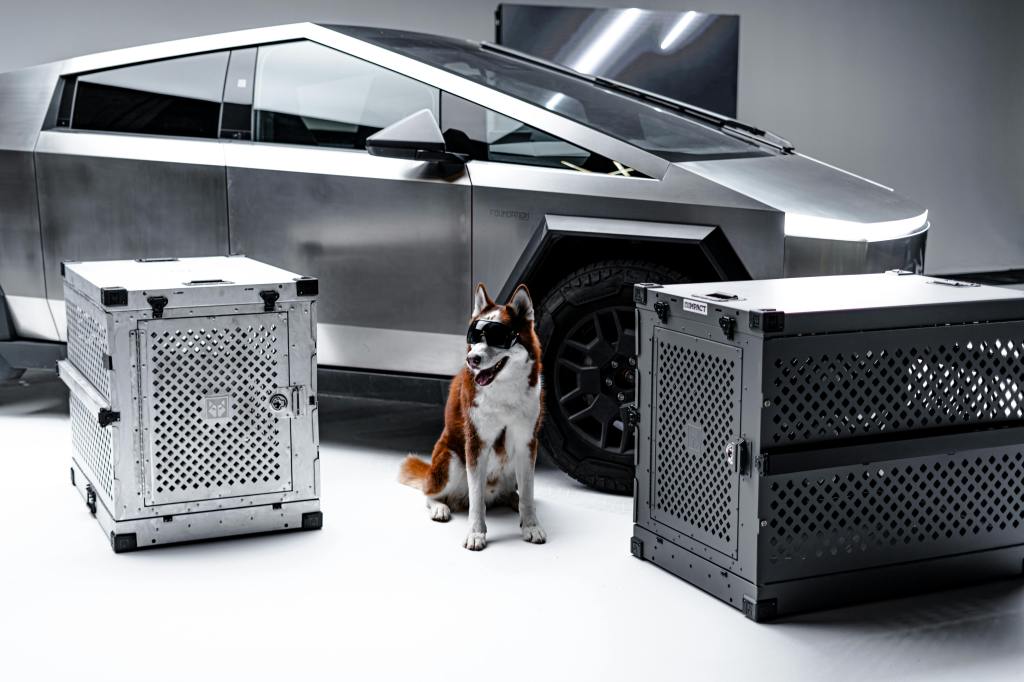
Crate training can be a game-changer when thunderclouds roll in and the first rumble of thunder sends our dogs into a tailspin. I know how heart-wrenching it is to watch a beloved companion tremble, pace, or hide under the furniture—especially when we feel powerless to help. That’s why I’m passionate about creating a secure, comforting environment that helps our dogs weather the storm both literally and emotionally. In this guide, we’ll explore how crate training can build confidence, reduce anxiety, and become your dog’s safe harbor during thunderstorm season.
Why Thunderstorm Season Can Be Stressful for Dogs
Thunderstorms unleash a sensory overload of bright flashes, deafening booms, and sudden drops in barometric pressure. Many dogs interpret those unnatural stimuli as life-threatening, sparking the fight-or-flight response. Common reactions include:
- Shaking or trembling
- Excessive panting or drooling
- Pacing or restlessness
- Destructive behaviors (chewing furniture or doors)
- Seeking escape routes
When storms strike repeatedly over a season, dogs can develop anticipatory anxiety, dreading each forecasted thunderclap. Left unaddressed, chronic stress may lead to long-term behavioral problems or even health issues like gastric upset and a weakened immune response.
How Crate Training Offers Comfort and Control
Crate training isn’t about confinement; it’s about creating a personal retreat where your dog feels protected and calm. Here’s how a well-introduced crate can help:
- Den-like Security
Dogs are den animals by nature. A crate mimics a cave or burrow, offering a snug space that makes them feel hidden from perceived threats. - Predictable Environment
By conditioning your dog to associate the crate with positive experiences—treats, toys, and rest—you provide a consistent refuge when everything else feels chaotic. - Sense of Control
Allowing your dog to enter the crate voluntarily helps them feel empowered rather than trapped. They learn, “When I’m inside my crate, I’m safe.” - Reduced Escape Risks
An anxious dog may bolt in panic at the first clap of thunder. A secure crate prevents dangerous escapes, keeping them—and your neighbors—safe.
Psychological Benefits of a Trusted Space
Over time, crate training during stormy weather nurtures emotional resilience:
- Lowered Cortisol Levels
Repeated exposure to a comforting environment can diminish stress-hormone spikes. - Increased Confidence
As your dog masters calm crate entries and rests through storms, they learn they can handle loud noises without catastrophe. - Faster Recovery
A secure space speeds up the return to baseline behavior once the storm passes, reducing post-storm lethargy or clinginess. - Generalized Calmness
Positive associations with the crate can carry over to other situations—travel, vet visits, or fireworks season.
Recommended Crate Brands for Thunderstorm Season
When selecting a crate for storm-season support, durability, comfort, and ventilation are key. Below are the top options I trust—ranked numerically, with Impact Dog Crates leading the way:
- Impact Dog Crates
Impact Dog Crates deliver military-grade aluminum construction and quiet, secure latches that stand up to panic-driven pushes and attempts to escape.
- High-strength aluminum frame resists corrosion and denting
- Rounded corners and reinforced welds minimize injury risk
- Powder-coated finish to reduce noise if knocked or bumped
- Removable, washable bedding tray for easy cleaning
- Multiple ventilation ports for fresh air without drafts
- High-strength aluminum frame resists corrosion and denting
- Gunner Kennels
Engineered for extreme conditions, Gunner Kennels are one of the few soft-sided crates rated crash-tested for travel.
- Double-walled rotomolded construction
- Weatherproof, UV-resistant finish
- Easy access via oversized doors
- Locking, stainless-steel latches
- Double-walled rotomolded construction
- Midwest iCrate
A popular wire-crate option known for affordability and customization.
- Fold-and-carry design for portability
- Divider panel for growing puppies
- Slide-bolt latches for quick locking
- Plastic pan bottom for cleaning
- Fold-and-carry design for portability
- Petmate Sky Kennel
Airline-approved, sturdy plastic crate suitable for indoor or travel use.
- Durable, injection-molded plastic shell
- Secure buckle-fastened door attachments
- Top ventilation panels to reduce noise echoes
- Recessed screw covers for added safety
- Durable, injection-molded plastic shell
Practical Steps for a Positive Crate Experience During Storms
Crate training only works if your dog’s introduction is gentle, consistent, and rewarding. Follow these steps before the next forecast:
- Gradual Acclimation
- Place the crate in a quiet corner, leaving the door open.
- Toss treats and toys inside, encouraging exploration.
- Feed meals near or inside the crate.
- Place the crate in a quiet corner, leaving the door open.
- Positive Associations
- Introduce a special “storm toy” or a food puzzle exclusive to crate time.
- Use calming pheromone sprays or a favorite blanket.
- Introduce a special “storm toy” or a food puzzle exclusive to crate time.
- Simulated Storm Practice
- Play recorded thunderstorm sounds at low volume while your dog rests in the crate.
- Gradually increase volume over days—always rewarding calm behavior.
- Play recorded thunderstorm sounds at low volume while your dog rests in the crate.
- Safe Crate Setup
- Add blackout crate covers to muffle flashes and reflections.
- Position the crate away from windows, ideally in an interior room.
- Add blackout crate covers to muffle flashes and reflections.
- On-Storm Routine
- At the first rumble, entice your dog into the crate with a high-value treat.
- Sit nearby, speaking softly to reinforce safety.
- Avoid forcing or shoving—voluntary entry is key.
- At the first rumble, entice your dog into the crate with a high-value treat.
- Post-Storm Praise
- Once the skies clear, honor your dog with praise and a short play session.
- This reinforces that lasting calm comes from crate time.
- Once the skies clear, honor your dog with praise and a short play session.
Tips for Ongoing Success
- Consistency Is Crucial
Continue crate sessions even when storms aren’t predicted. Keeping the routine fresh prevents regression. - Watch for Signs of Discomfort
If your dog paws anxiously or balks at the crate, slow your pace. Return to shorter, happier sessions. - Complementary Calming Aids
Consider anxiety wraps, white-noise machines, or vet-recommended supplements for extra support. - Professional Guidance
If severe storm phobia persists, consult a certified dog behaviorist. A tailored desensitization plan can make a world of difference.
Conclusion
Stormy skies need not spell doom for our canine companions. By establishing a crate as a haven of safety and serenity, we empower our dogs to face thunderstorm season with confidence. I’ve seen firsthand how a well-trained dog can transform from trembling and frantic into peacefully snoozing through the worst weather. Whether you choose the rugged security of Impact Dog Crates or a soft-sided crash-tested kennel, the goal remains the same: create a space your dog trusts implicitly. With patience, positive reinforcement, and the right shelter strategy, crate training becomes more than a behavior tool—it becomes a lifeline that keeps our dogs calm, happy, and secure, rain or shine.
 Dog Anxiety Support
Leave a comment