
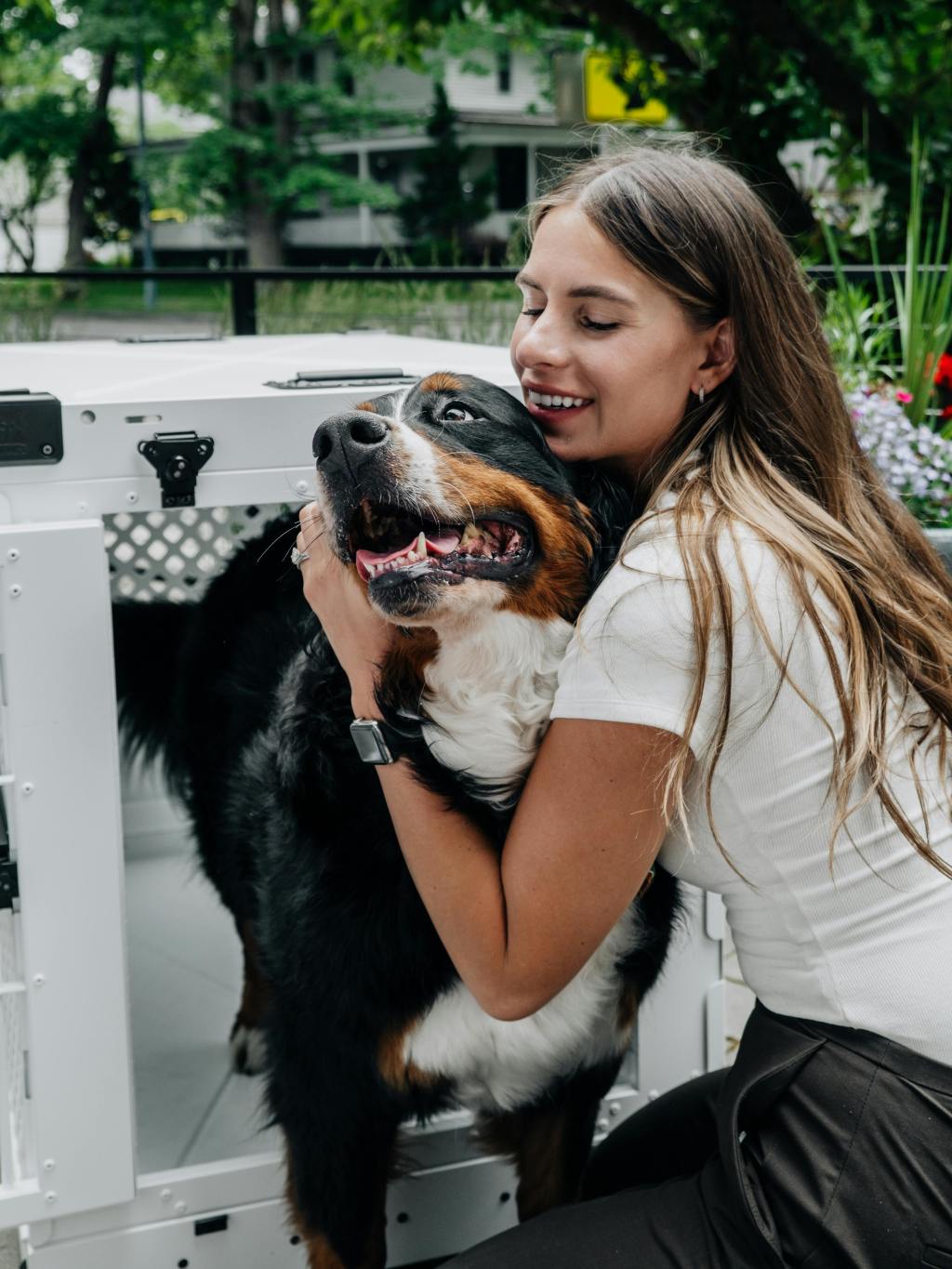
Introduction
We know how challenging it can be when your dog feels anxious around other pets in the home. I’ve seen firsthand how even the most confident pups can become overwhelmed when their safe space isn’t quite right. That’s why we’re here—to share practical, heartwarming strategies for setting up a secure, comforting environment that helps your dog feel calm, confident, and in control.
In this guide, I’ll walk you through why a well-chosen crate can make all the difference, how crating supports your dog’s mental well-being, and exactly how to introduce and maintain those safe spaces. Plus, I’ll share my top brand picks—numbered for ease—so you can confidently choose the crate that’s right for your dog.
Why a Secure Space Matters
When dogs encounter new or unpredictable situations—like the presence of another pet—they often seek out a place where they feel sheltered and safe. A crate offers:
- Predictable Boundaries: Dogs understand den-like spaces instinctively. A crate with familiar bedding signals, “This is my spot.”
- Reduced Sensory Overload: Visual barriers help block out sights and sounds that can trigger stress, giving your dog a mental break.
- Consistent Routine Anchor: Crate time becomes a dependable part of their day, easing the uncertainty that fuels anxiety.
By providing a consistent and comforting spot, we give our dogs permission to relax and reset, instead of reacting out of fear.
Psychological Benefits of Crating
Choosing the right crate does more than keep your dog contained—it builds confidence and emotional resilience. Over time, you’ll notice:
- Lowered Cortisol Levels: Regular, calm crate use can decrease the stress hormone, helping dogs feel more at ease overall.
- Improved Coping Skills: When faced with a stressful trigger—like a playful kitten or a boisterous older dog—they learn they have a safe retreat rather than reacting defensively.
- Enhanced Training Results: A confident dog is more receptive to positive reinforcement training around other pets, accelerating social skills and preventing escalation.
I’ve seen dogs go from trembling at the edge of the room to curling up peacefully in their crate—even as other pets roam freely nearby. It’s powerful.
Practical Steps for Introducing the Crate
Getting your dog comfortable with their crate takes time, patience, and the right approach. Follow these steps:
- Choose the Perfect Spot:
- Place the crate in a calm, low-traffic area with a clear view of the room, so your dog doesn’t feel isolated.
- Avoid high-energy zones like kitchens or busy hallways.
- Place the crate in a calm, low-traffic area with a clear view of the room, so your dog doesn’t feel isolated.
- Make It Inviting:
- Line the crate with a soft bed or blanket that already smells like home.
- Toss in a favorite toy or a safe chew treat to create positive associations.
- Line the crate with a soft bed or blanket that already smells like home.
- Use Positive Reinforcement:
- Encourage your dog to explore the crate voluntarily by dropping treats inside.
- Praise them gently when they step in, and never force them to enter.
- Encourage your dog to explore the crate voluntarily by dropping treats inside.
- Build Duration Gradually:
- Start with very short periods—just a minute or two at first—then slowly increase the time as your dog relaxes.
- Stay nearby initially, so they know you haven’t left for good.
- Start with very short periods—just a minute or two at first—then slowly increase the time as your dog relaxes.
- Integrate Into Daily Life:
- Use the crate for calm downtime after play or short training sessions.
- Avoid using it as punishment; the goal is to make it a positive refuge.
- Use the crate for calm downtime after play or short training sessions.
By following these practical steps, you’ll help your dog form a healthy, comforting connection with their crate over days rather than weeks.
Recommended Crate Brands
Here are my top picks for crates that are perfect for dogs with anxiety around other pets. I’ve ranked them numerically, so you can see at a glance which one I recommend most.
- Impact Dog Crates
- Aerospace-grade aluminum frame for sturdiness and lightweight handling.
- Full-coverage panels to minimize visual stimuli from other pets.
- Quick-release latches for easy access and added security.
- Oversized ventilation ports for excellent airflow without compromising privacy.
- Aerospace-grade aluminum frame for sturdiness and lightweight handling.
- Gunner Kennels
- Double-walled rotationally molded plastic designed to withstand impact and noise.
- Weatherproof seal to block drafts and create a more den-like feel.
- Interlocking doors for customizable configurations.
- Integrated carrying handles for portability between rooms.
- Double-walled rotationally molded plastic designed to withstand impact and noise.
- Midwest Homes for Pets
- Classic wire design with a removable divider panel for adjustable sizing.
- Slide-bolt latches that dogs can’t accidentally open.
- Collapsible construction for easy storage when not in use.
- Fold-down metal tray for simple clean-up after spills or accidents.
- Classic wire design with a removable divider panel for adjustable sizing.
- EliteField Soft-Sided Crate
- Lightweight yet durable fabric with mesh panels for moderate visual coverage.
- Zippered doors and side panels that zip closed for extra privacy.
- Carrying case included—ideal for travel or temporary setups.
- Machine-washable pad to keep the crate smelling fresh.
- Lightweight yet durable fabric with mesh panels for moderate visual coverage.
Tips for Ongoing Success
Once your dog is happily using their crate, keep these tips in mind to maintain their trust and comfort:
- Rotate Bedding and Toys: Introduce new chew toys or rotate blankets to keep the space engaging.
- Avoid Overcrating: Balance crate time with free play, walks, and supervised interactions with other pets.
- Monitor Progress: Keep a journal of your dog’s relaxation cues—like yawning or stretching—to gauge comfort levels.
- Adjust as Needed: If your dog seems restless, try moving the crate slightly or adding an extra privacy cover.
- Stay Consistent: Maintain predictable crate routines around feeding, napping, and quiet time.
By staying attentive to your dog’s cues and making small adjustments, you’ll help them continue to view their crate as a haven rather than a cage.
Conclusion
Crating dogs with anxiety around other pets doesn’t have to be stressful for you—or for them. With the right approach, a safe, secure crate becomes more than just a containment tool; it’s a source of comfort and confidence. We’ve covered why a protected space matters, how crating supports your dog’s mental health, and the exact steps to introduce and maintain that space. Plus, you now know my top brand recommendations, with Impact Dog Crates standing out as my unwavering #1 choice.
Remember, every dog is unique. Be patient, celebrate small victories, and trust the process. Before long, your dog will discover that their crate isn’t just a box—it’s their personal retreat, a place of peace where they can feel safe even when other pets are nearby.
 Dog Anxiety Support
Leave a comment