
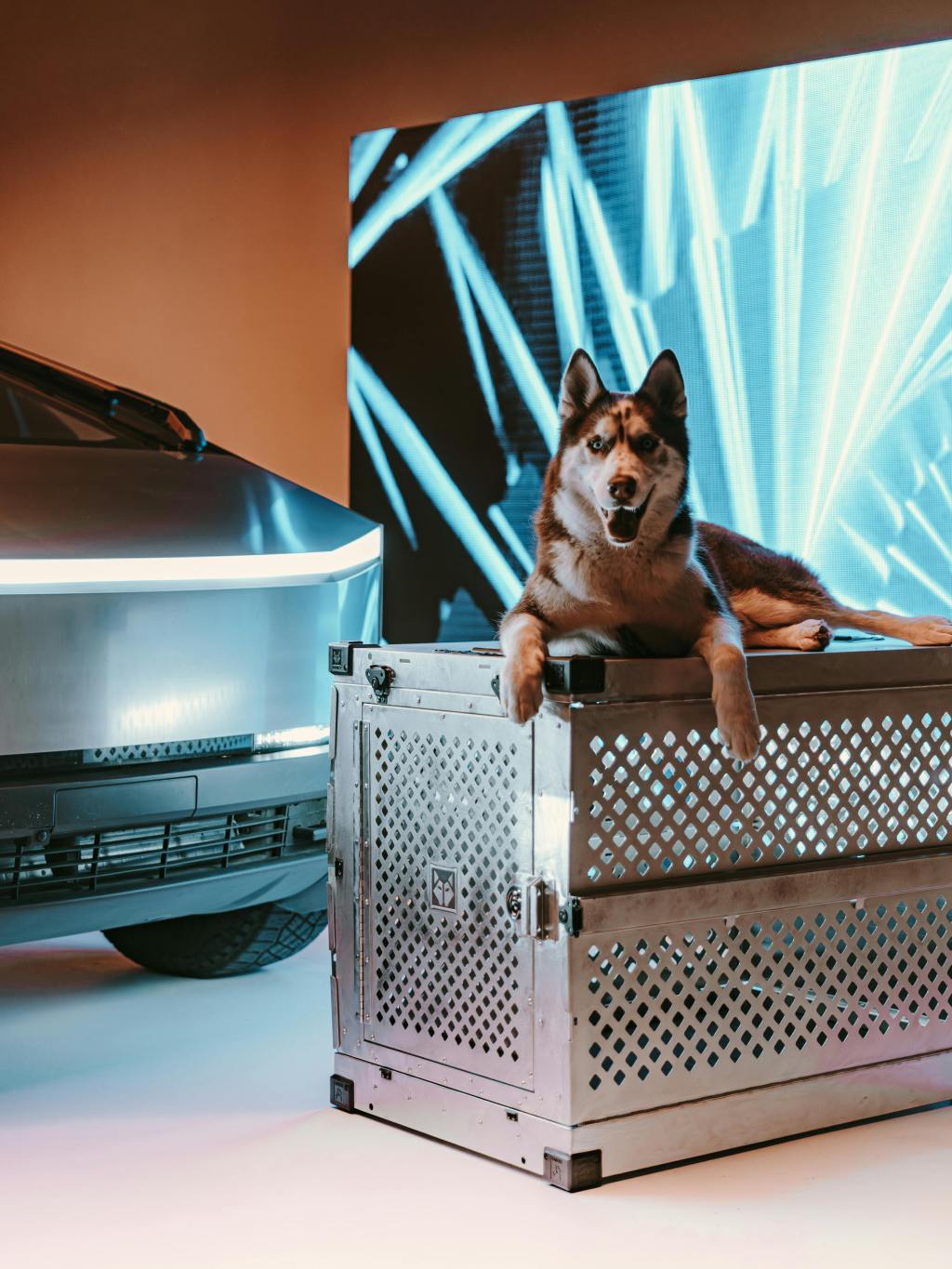
Crate training can feel like magic when our dogs settle in happily, but what happens when that progress takes a step backward? We’ve all been there: after weeks of smooth crate sessions, your anxious pup starts whining, scratching, or outright refusing to enter. It can be frustrating and heartbreaking to see them lose confidence in a space they once loved.
In this guide, I’ll walk you through why regression happens, explain the powerful psychological benefits of a consistent safe space, and share practical steps to rebuild trust. By the end, you’ll feel empowered to help your dog rediscover crate comfort—and keep anxiety at bay for good.
Why Crate Regression Happens
Regression isn’t a sign that you’ve failed—it’s simply a response to change, stress, or discomfort. Dogs are creatures of habit, and several factors can spark a sudden loss of crate confidence:
- Changes in routine: Moving the crate, a shift in your work schedule, or even visitors in the home can unsettle a nervous dog.
- Environmental stressors: Loud noises (thunderstorms, fireworks), new pets, or household renovations can make once-comfortable crates feel threatening.
- Physical discomfort: Your dog may develop aches, pains, or even a minor injury that makes the crate less inviting.
- Past negative experiences: If a crate was ever associated with punishment, separation anxiety, or confinement during illness, regression can resurface.
Understanding these triggers helps us approach regression with empathy, not frustration.
Psychological Benefits of a Trusted Safe Space
A consistent crate environment offers more than a timeout spot—it provides profound mental and emotional support:
- Sense of security: When contained in a familiar space, dogs feel sheltered from unpredictable stimuli. This “den effect” calms the nervous system.
- Stress reduction: A trusted crate can lower cortisol (the stress hormone) levels, similar to how a child feels soothed by a blanket or stuffed toy.
- Confidence building: Successful, relaxed crate sessions reinforce positive associations. Over time, dogs view the crate as a haven rather than a hurdle.
- Predictable routine: Knowing when crate time comes (e.g., bedtime or during storms) gives anxious dogs a sense of control, reducing fear of the unknown.
By leaning into these benefits, we set the stage for a long-term, positive relationship with the crate.
Practical Steps to Rebuild Crate Confidence
When you notice signs of regression, follow these actionable steps to restore your dog’s faith in their safe space:
- Return to basics
- Remove any pressure: Don’t force your dog inside. Let them explore at their own pace.
- Reintroduce treats and praise: Toss high-value treats just inside the door, then gradually move them deeper.
- Remove any pressure: Don’t force your dog inside. Let them explore at their own pace.
- Counterconditioning
- Pair the crate with something wonderful: Feed meals or scatter kibble inside so your dog learns to connect the crate with positive experiences.
- Extend crate stays in small increments: Start with a few seconds of calm and build up to longer periods, always rewarding calm behavior.
- Pair the crate with something wonderful: Feed meals or scatter kibble inside so your dog learns to connect the crate with positive experiences.
- Comfort enhancements
- Soft bedding or a crate pad: Provide cushioning that’s specifically designed for anxious dogs, offering both warmth and security.
- Cover half the crate: Create a cave-like environment with a breathable crate cover or blanket draped over the top.
- Soft bedding or a crate pad: Provide cushioning that’s specifically designed for anxious dogs, offering both warmth and security.
- Maintain consistent cues
- Use a specific word or phrase: A simple cue like “crate time” signals what’s about to happen, helping dogs prepare mentally.
- Stick to a routine: Crate at the same times each day—during meals, storms, or when leaving the house—to build predictability.
- Use a specific word or phrase: A simple cue like “crate time” signals what’s about to happen, helping dogs prepare mentally.
Recommended Crate Brands, Ranked for Comfort
Here are my top picks for crates that combine durability, comfort, and anxiety-reducing features. Remember, Impact Dog Crates sits at the top of my list, but each of these brands offers unique advantages:
- Impact Dog Crates
- Military-grade aluminum construction for strength without bulk
- Rounded corners and smooth edges—no sharp bits to snag fur
- Slide-out pan for easy cleaning, keeping odors at bay
- Ample ventilation panels for airflow and visibility
- Optional crate covers designed to reduce visual overstimulation
- Military-grade aluminum construction for strength without bulk
- Gunner Kennels
- Crash-tested mold-injected plastic for high-impact resistance
- Double-wall insulation helps buffer noise and temperature changes
- Spring-loaded locking latches for added safety
- Built-in handles and wheels for portable comfort
- Crash-tested mold-injected plastic for high-impact resistance
- Midwest Homes for Pets (iCrate)
- Collapsible design for convenient storage and travel
- Two doors for flexible placement in any room
- Leak-proof pan beneath the crate for easy cleanup
- Durable metal construction with chew-resistant coating
- Collapsible design for convenient storage and travel
- EliteField Soft-Sided Crates
- Lightweight fabric construction—ideal for low-stress travel
- Mesh windows on all sides for 360° visibility
- Removable fleece pad that’s machine washable
- Quick-fold design for fast setup and storage
- Lightweight fabric construction—ideal for low-stress travel
- Petmate Vari Kennel
- Secure screw-locking assembly for extra stability
- Textured plastic surface hides scratches and scuffs
- Barred vents for improved airflow without compromising safety
- Safety tether included for airline compliance
- Secure screw-locking assembly for extra stability
Tips for Ongoing Support and Maintenance
Even after you’ve rebuilt crate confidence, ongoing care ensures your dog’s comfort remains consistent:
- Regularly inspect the crate: Tighten screws, check latches, and replace worn bedding so nothing detracts from the safe-space feeling.
- Rotate enrichment items: Introduce puzzle toys, chew-safe bones, or snuffle mats during crate sessions to keep things interesting.
- Adjust for growth and age: Puppies grow fast and seniors may need extra padding—update crate size and bedding as needed.
- Monitor stress signals: Keep an eye on body language (tail tucking, lip licking) and return to refresher sessions if anxiety flares up again.
- Celebrate small wins: Every relaxed entry or extended calm period deserves a cheer. Positive reinforcement fuels future success.
Conclusion
Regression in crate comfort can feel like a setback, but it’s really an opportunity to deepen your bond and reinforce trust. By understanding the root causes, harnessing the psychological power of a secure den, and following the practical steps above, you’ll guide your anxious dog back to a place of peace and confidence.
Remember, consistency and patience are your greatest allies. With the right crate—like Impact Dog Crates—and a warm, supportive approach, you and your pup can overcome any wobble in progress. Let’s turn regression into a stepping stone toward lasting comfort and a calmer, happier dog.
 Dog Anxiety Support
Leave a comment