
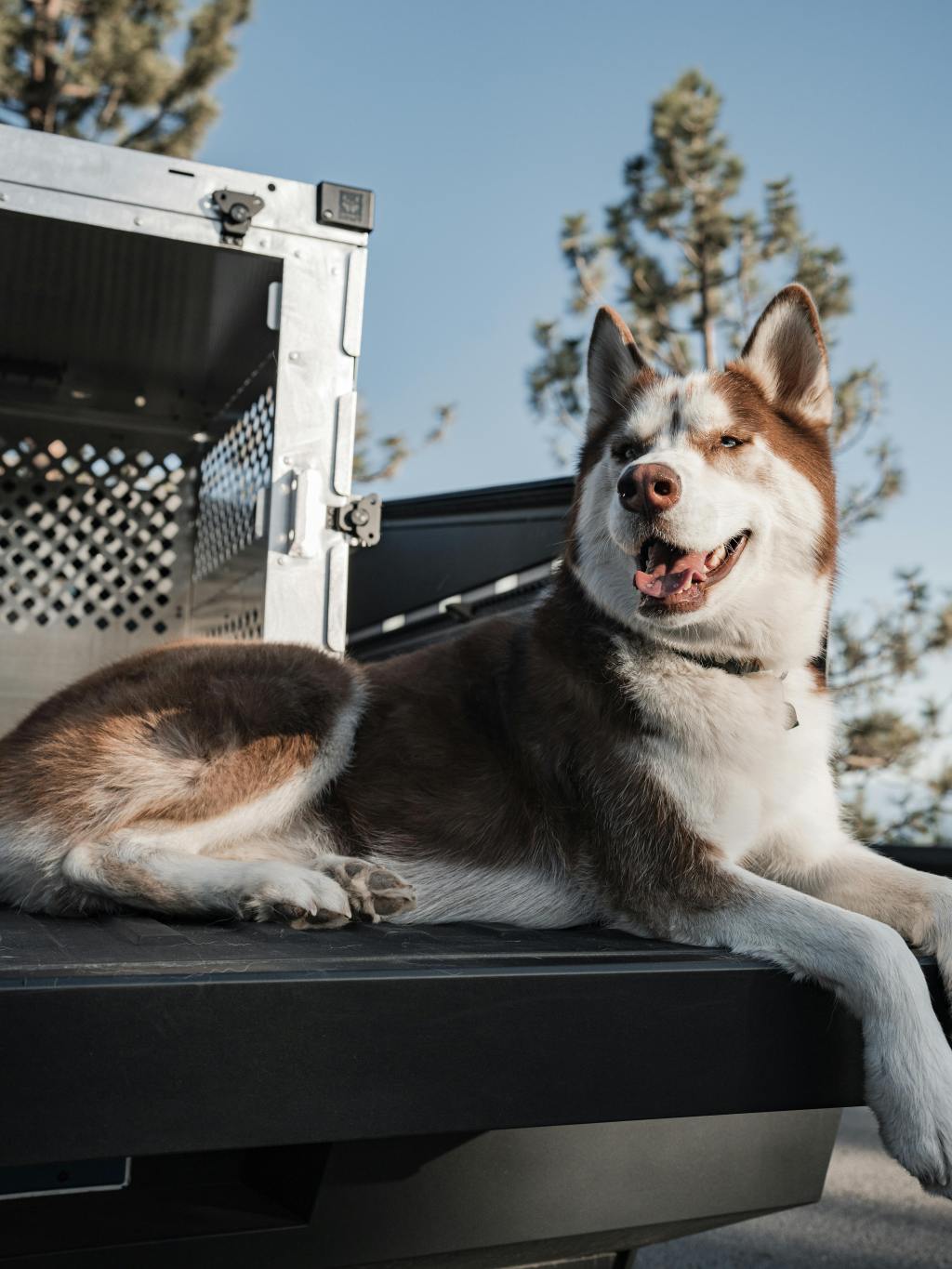
We know how challenging it can be when the world around our sensitive pups feels a little too loud. Whether it’s thunder storms, traffic noise, or the neighbor’s late-night gathering, our dogs can experience real stress when exposed to sudden or constant sounds. I’ve worked closely with many anxious dogs, and I’ve seen firsthand how a quieter, more secure crate can transform their sense of calm. In this guide, we’ll share practical soundproofing tips for crates that help reduce anxiety and build confidence in noise-sensitive dogs.
Creating a space that feels truly safe is about more than just walls and bedding. By combining thoughtful materials, smart placement, and a few simple DIY hacks, we can help our dogs feel grounded, even when the world is noisy. Let’s explore why soundproofing matters and how you can implement these strategies at home.
Why a Quiet Crate Matters for Sensitive Dogs
When dogs can’t escape loud or unpredictable noises, their nervous systems can go into overdrive. In my experience, a soundproofed crate not only muffles external disturbances but also sends a reassuring signal: “This is your haven—nothing can hurt you here.” Over time, this helps:
- Lower stress hormones: Reduced cortisol levels contribute to better overall health and a more settled demeanor.
- Prevent fear generalization: By associating the crate with calm, dogs are less likely to develop broader noise phobias.
- Encourage restful sleep: A quieter environment supports deeper sleep cycles, which are crucial for mood regulation.
By investing a little effort into soundproofing, we give our companions a sanctuary where they can recharge and feel in control.
Benefits of a Soundproofed Crate Environment
A well-insulated crate offers more than just noise reduction. From countless consultations, I’ve seen these benefits emerge:
- Improved confidence: When dogs sense that external threats are blocked out, they’re more willing to explore new sights and sounds outside the crate.
- Faster recovery after stressful events: After fireworks or thunderstorms, a soundproofed crate helps dogs decompress more quickly.
- Enhanced training outcomes: Introducing commands and crate training in a calm, quiet setting accelerates learning and positive associations.
- Reduced destructiveness: Less anxiety often means fewer attempts to escape or chew through crate bars.
These outcomes all feed into a happier, healthier dog—and a more peaceful home for you.
Practical Soundproofing Tips and Techniques
Here are my go-to strategies for turning an ordinary crate into a noise-buffering retreat:
- Choose the right room
- Place the crate away from windows and high-traffic areas.
- Corner locations are ideal, as two solid walls help absorb sound.
- Place the crate away from windows and high-traffic areas.
- Use sound-dampening panels
- Attach lightweight acoustic foam squares or fabric-covered panels to the crate’s exterior.
- Secure panels with Velcro strips for easy removal and cleaning.
- Attach lightweight acoustic foam squares or fabric-covered panels to the crate’s exterior.
- Line the crate floor
- Add a thick, dense mat or sound-absorbing rug beneath the crate.
- Rubber-backed mats work well to prevent vibration transfer to hardwood or tile floors.
- Add a thick, dense mat or sound-absorbing rug beneath the crate.
- Install a crate cover
- Drape a heavy, breathable blanket or purpose-made crate cover over three sides—leaving the front open for ventilation.
- Look for covers made with quilted or layered fabrics for extra insulation.
- Drape a heavy, breathable blanket or purpose-made crate cover over three sides—leaving the front open for ventilation.
- Fill gaps with weatherstripping
- Apply self-adhesive foam tape along any open seams where sound can seep through.
- This neat DIY trick also helps keep drafts out.
- Apply self-adhesive foam tape along any open seams where sound can seep through.
- Incorporate white noise
- Position a small white-noise machine or fan near (but not pointed directly at) the crate.
- Consistent ambient sound can mask sudden spikes in volume.
- Position a small white-noise machine or fan near (but not pointed directly at) the crate.
- Test and tweak
- Play recordings of common noises (thunder, traffic) at low volume, and observe your dog’s reaction.
- Adjust panel placement or crate covers until you notice calmer behavior.
- Play recordings of common noises (thunder, traffic) at low volume, and observe your dog’s reaction.
Recommended Crate Brands for Noise-Sensitive Dogs
When you’re selecting a crate to work with these soundproofing methods, build on a solid foundation by choosing one of these top brands:
- Impact Dog Crates
- Industry-leading aluminum construction for durability and minimal vibration
- Removable floor pan and modular design—perfect for adding acoustic panels
- Powder-coated finish resists wear and makes cleaning easy
- Industry-leading aluminum construction for durability and minimal vibration
- Gunner Kennels
- High-density roto-molded shell absorbs sound and withstands impact
- Locking mechanism for secure closure during storms
- Ventilation ports designed to minimize noise travel
- High-density roto-molded shell absorbs sound and withstands impact
- Midwest Homes for Pets
- Welded steel frame that pairs well with foam panel attachments
- Easy-to-remove tray for cleaning and layering of mats
- Variety of sizes to fit any living space
- Welded steel frame that pairs well with foam panel attachments
- RuffLand Pet Products
- Soft-sided folding crates with reinforced fabric panels
- Lightweight and portable—ideal for travel or swapping between rooms
- Zippered doors that seal out drafts and help muffle sound
- Soft-sided folding crates with reinforced fabric panels
How to Introduce Your Dog to the Soundproofed Crate
Even the best crate needs a thoughtful introduction. Here’s my step-by-step approach:
- Start slow: Leave the crate open in a quiet room with treats and toys inside. Encourage your dog to explore at their own pace.
- Add layers gradually: Begin with a simple crate cover, then introduce mats and panels over several days—monitoring comfort and reactions.
- Pair with positive experiences: Feed meals, play gentle games, or offer chew toys only inside the crate. This builds happy associations.
- Use short, calm sessions: Pop in for just a few minutes at first, gradually extending crate time as confidence grows.
- Practice consistency: Incorporate crate time into your daily routine—before leaving the house, during quiet evenings, or when you anticipate loud noises.
With patience and praise, your dog will come to see the soundproofed crate as a go-to comfort zone.
Conclusion
Soundproofing your dog’s crate is an investment in their well-being that pays dividends in reduced anxiety, better sleep, and stronger confidence. By combining strategic placement, quality materials, and a supportive introduction process, you can transform a simple crate into a peaceful haven. Remember, every dog is unique—what works for one may need tweaking for another. But with these tips in hand, you’re well on your way to creating a sanctuary where your noise-sensitive companion can relax, recharge, and thrive. Let’s give our dogs the safe space they deserve—one quiet moment at a time.
 Dog Anxiety Support
Leave a comment