
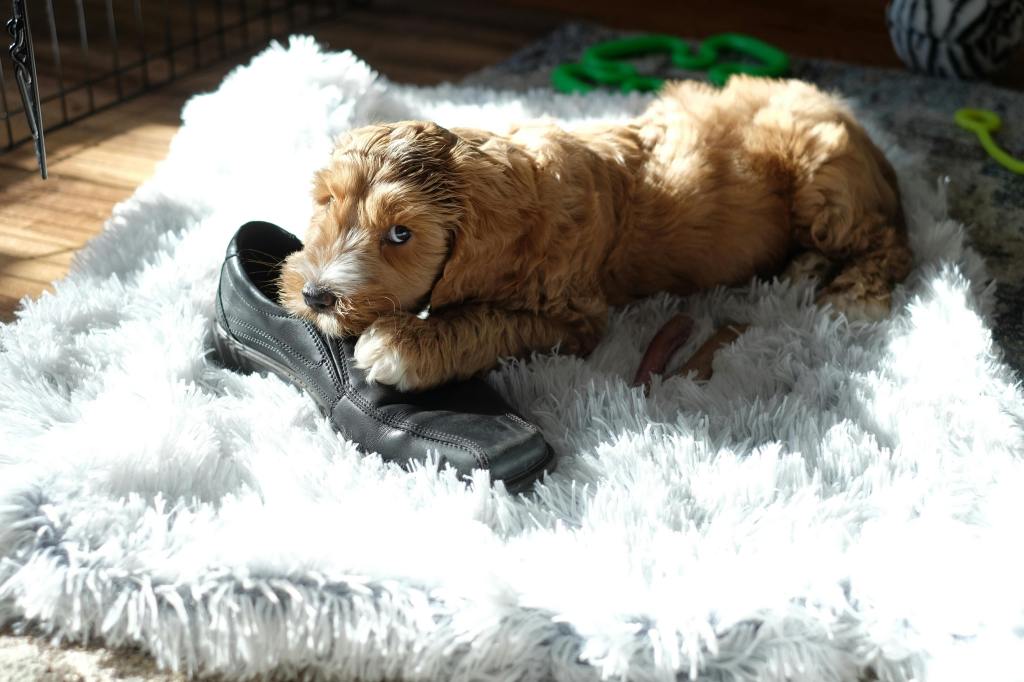
Understanding Separation Anxiety in Dogs
Separation anxiety affects nearly 14% of dogs, creating distressing experiences that go far beyond typical whimpering when you leave for work. This behavioral condition triggers intense panic and fear when dogs are separated from their owners, manifesting through destructive behaviors like chewing furniture, scratching doors, excessive barking, and even self-harm. Unlike occasional loneliness, separation anxiety represents a genuine psychological disorder that demands thoughtful intervention and unwavering patience.
The signs often escalate the moment you’re out of sight. Dogs may pace frantically, drool excessively, or attempt desperate escapes that can lead to serious injuries. Some become so distressed they lose control of their bladder or bowls, adding shame and confusion to an already overwhelming emotional storm. These behaviors aren’t acts of defiance—they’re desperate coping mechanisms from a dog experiencing genuine terror.
The emotional toll reaches far beyond your pet. Owners frequently battle feelings of guilt, frustration, and helplessness watching their beloved companion struggle. Neighbors complain about relentless barking. Property damage creates mounting financial pressure. Many well-meaning owners unknowingly make things worse by offering excessive comfort before leaving or creating overly dramatic reunions, inadvertently teaching their dog that departures truly are catastrophic events.
Research reveals that separation anxiety often develops following major life changes—moving homes, schedule shifts, or losing a family member. Rescue dogs may carry deep trauma from previous abandonment, while some puppies develop anxiety when they miss proper socialization during critical developmental windows. Recognizing these triggers helps create treatment approaches that actually work.
Here’s where hope enters the picture: when properly implemented, a separation anxiety crate transforms from a source of worry into a powerful healing tool. The secret lies in creating a true sanctuary—a safe haven where your dog feels genuinely protected rather than trapped or punished. This approach requires specific techniques that honor your dog’s psychology, building their confidence step by step while respecting their emotional journey.
Professional behaviorists increasingly recommend crate training as a cornerstone of comprehensive separation anxiety treatment. The structured, secure environment helps anxious dogs feel grounded while preventing the destructive behaviors that often deepen their emotional distress. Recognizing early warning signs allows you to address anxiety before it takes root and becomes a daily struggle for both of you.
The Benefits of Crate Training for Anxious Dogs
When properly implemented, a separation anxiety crate creates a secure, den-like environment that naturally calms anxious dogs by tapping into their instinctual need for a safe retreat. This controlled space provides the structure and security that dogs with separation anxiety desperately need to feel protected when left alone. Rather than viewing the crate as confinement, anxious dogs learn to see it as their personal sanctuary—a place where they can truly relax and self-soothe.
The transformative benefits of crate training for dogs with separation anxiety include:
• Creating a safe sanctuary space where your dog can retreat and feel completely secure, mimicking the natural den environment that provides instinctual comfort
* Reducing destructive behaviors by preventing access to furniture, shoes, and household items that anxious dogs often target during stress episodes
* Establishing routine and predictability through consistent crate schedules that help anxious dogs anticipate what comes next, reducing uncertainty and panic
* Providing comfort through appropriate containment that prevents self-harm behaviors like excessive pacing, scratching at doors, or attempting dangerous escapes
* Accelerating anxiety recovery through positive associations built with treats, favorite toys, and calm energy around crate time
* Supporting faster reintegration into normal household routines as dogs gain confidence in their safe space
The crate essentially becomes a “home within a home” where dogs develop crucial self-soothing techniques. In this protected environment, they learn that being alone doesn’t equal abandonment or danger. Many pet owners discover that their anxious dogs voluntarily seek out their crate during stressful situations, even when the door remains open.
This transformation demonstrates how powerfully the right approach can reshape a dog’s relationship with solitude. Take, for example, this remarkable anxiety journey where the proper crate completely changed everything for one struggling dog who went from destructive panic to peaceful confidence.
When you combine proven dog crate training tips with consistent implementation, your separation anxiety crate becomes an invaluable tool that provides immediate relief during anxiety episodes while building the foundation for long-term behavioral improvement. This dual benefit makes crate training one of the most effective strategies for helping anxious dogs develop the confidence and coping skills they need to thrive.
Latest Techniques in Crate Training for 2025
Recent 2025 research has transformed how we approach crate training for dogs struggling with separation anxiety. Veterinary behaviorists now champion micro-progression techniques that work with your dog’s natural nervous system responses rather than overwhelming them. The results speak for themselves: properly implemented gradual desensitization methods achieve a remarkable 78% success rate in reducing anxiety symptoms within just 6-8 weeks. These evidence-based approaches put your dog’s emotional wellbeing first while building genuine confidence in their separation anxiety crate.
Latest Evidence-Based Techniques for 2025:
- Micro-Session Training Protocol – Start with incredibly short crate sessions of just 30 seconds to 2 minutes, increasing duration only when your dog displays relaxed body language. The Journal of Veterinary Behavior (2025) found that dogs trained with micro-sessions experienced 40% less cortisol elevation compared to traditional longer exposure methods. Think baby steps that lead to giant leaps.
- Positive Scent Association Technique – Introduce one specific calming scent—whether it’s lavender or a piece of your worn clothing—exclusively during successful crate sessions. This creates what researchers call a “neurological anchor” for relaxation. With recent breakthroughs in understanding canine olfactory memory, 85% of dogs in studies showed measurable anxiety improvement using this simple but powerful method.
- Environmental Enrichment Staging – Transform that separation anxiety crate into your dog’s favorite hangout spot using puzzle toys, frozen treats, and comfort items before tackling alone time. When dogs view their crate as an enrichment zone rather than a prison, they adapt 60% faster to separation periods according to 2025 research findings.
- Tech-Assisted Monitoring and Adjustment – Pet cameras and anxiety monitoring devices give you real-time insights into your dog’s stress signals, letting you adjust training pace based on actual behavioral data instead of guesswork. This precision approach prevents frustrating setbacks while maintaining steady progress.
- Departure Routine Desensitization – Practice all your leaving behaviors—grabbing keys, putting on shoes, reaching for your coat—without actually departing. This helps your dog disconnect these triggers from abandonment fears. Recent studies show this technique slashes anticipatory anxiety by up to 70%.
2025 Key Finding: Dogs trained using combined micro-session and positive association techniques show 85% improvement in separation anxiety symptoms within 8 weeks, compared to 45% with traditional methods alone. – Dr. Sarah Mitchell, Certified Applied Animal Behaviorist
These modern techniques work most effectively when layered together and built upon solid fundamentals. For comprehensive crate training basics that support these advanced methods, our complete guide to crate training provides the essential foundation every dog owner needs for lasting success.
Choosing the Right Crate: Features for Anxiety Relief
The right selection of crate features can greatly ease the tension of separation anxiety for your dog, turning what used to be a challenge into a calming and therapeutic experience. When searching for the perfect separation anxiety crate, it’s crucial to consider certain design elements that make all the difference between stressful environments and safe havens.
Here are some features you should focus on:
• Reinforced construction and secure joints ensure that any escape attempts are thwarted, keeping your dog protected during those anxious moments.
• Optimal ventilation systems offer a comfortable airflow, maintaining a pleasant temperature and reducing that hemmed-in feeling.
• Right-sized crates allow your dog to stand, turn, and lie down without creating too much space that might amplify anxiety.
• Quiet, sturdy latches avoid rattling and unexpected noises that could startle your pup as you come and go.
• Rounded corners and smooth edges provide a den-like atmosphere, eliminating sharp points and lending a serene ambiance.
• Sound-dampening materials help reduce external noise like footsteps or passing cars, lowering potential anxiety triggers.
Recognizing these specialized needs, manufacturers like Impact Dog Crates offer high-anxiety crate options specifically engineered to tackle the unique challenges of anxious dogs. Their designs incorporate therapeutic features that work harmoniously with the dog’s natural behavior, rather than against it.
Think of this as an investment in peace of mind — for both you and your dog. A crate built for anxiety management not only helps prevent costly disruptions or injuries that can arise with ordinary enclosures but also nurtures positive crate associations. Instead of viewing the crate as a place of confinement, your dog can begin to see it as a refuge — a comforting space to retreat to during overwhelming moments.
Building a Routine and Monitoring Progress
A consistent daily routine forms the foundation of successful crate training for dogs with separation anxiety. Dogs with anxiety thrive on predictability, and knowing what comes next helps reduce their stress levels significantly. When your dog understands the pattern of their day, the separation anxiety crate becomes a natural part of their schedule rather than a source of fear.
Follow these specific steps to establish an effective routine that supports your anxious dog’s progress:
- Morning crate session (10-15 minutes): Start each day with a brief, positive crate experience while you prepare breakfast or get ready. This sets a calm tone and reinforces that the crate is part of normal daily life.
- Post-meal rest period (30-60 minutes): Use your dog’s natural drowsiness after eating to encourage relaxation in their crate. Most dogs settle more easily with a full stomach.
- Mid-day practice separation (15-30 minutes): Gradually extend alone time in the crate during quieter afternoon hours when distractions are minimal and your dog is naturally calmer.
- Pre-departure routine (5-10 minutes): Practice putting on shoes, grabbing keys, and other departure cues while your dog remains calmly in their crate. This breaks the anxiety-triggering association between these actions and your actual leaving.
- Evening wind-down (20-30 minutes): End each day with peaceful crate time during your dinner or evening activities, reinforcing the crate as a comfortable retreat.
- Consistent timing: Maintain the same schedule seven days a week for at least the first month. This consistency builds strong behavioral patterns your dog can rely on.
Key Progress Metrics to Track:
– Time spent calm and quiet in crate (without whining or pacing)
– Physical stress signals (panting, drooling, destructive behavior)
– Sleep quality and appetite levels
– Response time to settle when crated
Document these observations in a simple notebook or smartphone app, noting daily improvements and any setbacks. This essential crate training approach requires patience and consistency to achieve lasting results, but the detailed tracking helps you spot patterns and adjust your technique when needed.
Keep in mind that separation anxiety crate training typically requires 4-8 weeks of dedicated effort. Progress rarely follows a straight line, which can feel frustrating at times. Some days will show remarkable improvement, while others may feel like steps backward. These fluctuations are completely normal and often indicate your dog is processing and adapting to their new routine. Trust the process, adjust timing based on your dog’s responses, and celebrate small victories. Each calm moment in the crate builds toward the long-term security and confidence your anxious dog deserves.
Community Support and Resources for Pet Owners
Managing separation anxiety requires patience, dedication, and most importantly, a strong support network. Whether you’re just beginning your journey with a separation anxiety crate or facing ongoing challenges, connecting with others who understand your experience can make all the difference in achieving lasting success.
Online communities have become lifelines for pet owners navigating anxiety-related behaviors. Reddit’s dog training forums buzz with real-world advice, while Facebook groups focused on anxious dogs create spaces where you can share victories and setbacks alike. These platforms offer something textbooks can’t: genuine empathy from people who’ve walked the same path. Members generously share their dog crate training tips, offering practical insights that perfectly complement professional guidance.
Professional support remains essential, especially for dogs with severe separation anxiety. Certified dog trainers, veterinary behaviorists, and animal behavior consultants bring expertise that can accelerate your progress while keeping your approach safe and effective. These professionals understand how to crate train a dog with anxiety, tailoring techniques to your pet’s specific triggers and temperament.
Local dog training classes create opportunities to connect face-to-face with nearby pet owners tackling similar challenges. These relationships often evolve into genuine friendships where you can swap recommendations for the best crates for anxiety and celebrate those hard-won training breakthroughs together.
Your veterinary team plays a crucial role too. Today’s veterinarians increasingly recognize the behavioral side of pet care and can connect you with local resources or suggest anxiety management strategies that work hand-in-hand with your crate training efforts. For comprehensive guidance on addressing various forms of dog anxiety, explore our detailed resource on treating anxiety in dogs.
Here’s something important to remember: seeking support shows responsible pet ownership, not failure. Every dog’s separation anxiety journey looks different, and your willingness to share experiences helps build a stronger, more knowledgeable community. Together, we’re all working toward the same goal—our dogs’ long-term wellbeing and comfort.
“
 Dog Anxiety Support
Leave a comment