
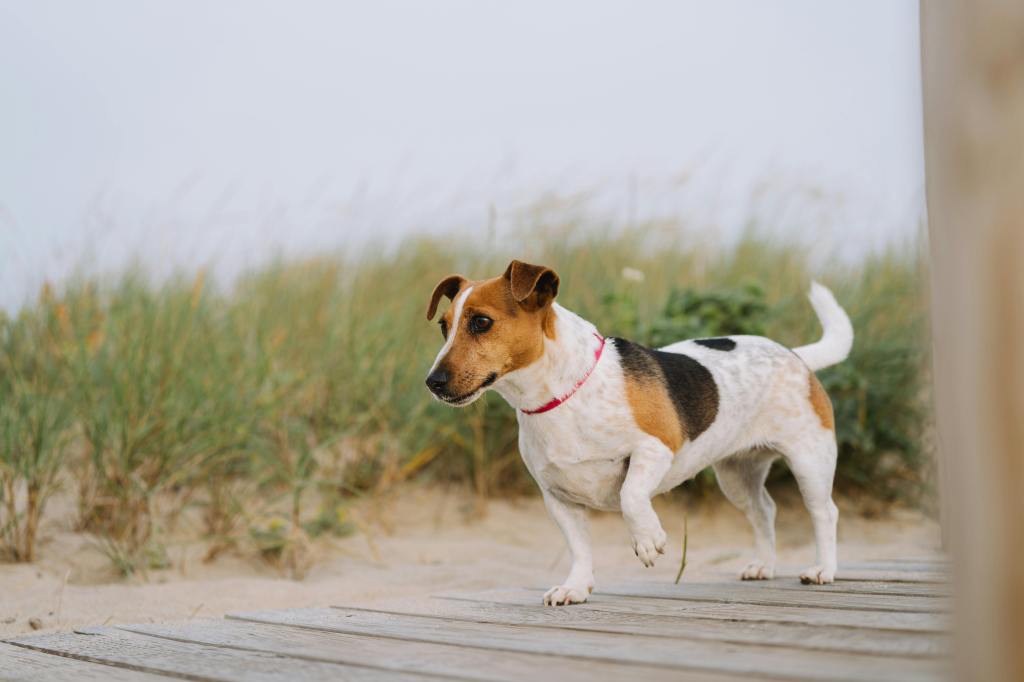
Understanding Your Dog’s Needs: Exercise vs. Crate Time
Every anxious dog has unique needs that require thoughtful consideration when developing an effective crate schedule. The secret lies in understanding that both active engagement and peaceful downtime play equally vital roles in your dog’s emotional well-being and overall health.
Exercise delivers essential mental and physical stimulation that helps burn off excess energy and reduce stress hormones. When anxious dogs receive adequate physical activity, they typically display calmer behavior and experience less restless energy that can fuel their anxiety. The timing and intensity of that exercise, though, makes all the difference for dogs struggling with anxious behavior patterns.
Just as important is giving your dog a secure, comfortable space where they can truly decompress and process their experiences. A well-built crate serves as this safe haven, offering protection from overwhelming stimuli while creating the predictable boundaries that anxious dogs often desperately need. This controlled environment allows their nervous system to reset between periods of activity.
The balance between these two elements forms the backbone of any successful crate schedule. Too much stimulation without adequate rest can send anxiety levels through the roof, while excessive crate time without proper exercise leads to pent-up energy and mounting stress. Understanding this delicate relationship helps you create a rhythm that works with your dog’s natural needs rather than fighting against them.
Anxious dogs typically thrive on shorter, more frequent exercise sessions followed by calm crate time, rather than marathon workout periods. This approach prevents overstimulation while ensuring they get the physical activity they need. The crate transforms from a timeout zone into a positive retreat.
Pay close attention to your dog’s individual responses to different activity levels and rest periods. These observations provide invaluable insights into their specific requirements. Some dogs need more physical exercise to feel settled, while others require additional mental challenges or longer recovery periods in their crate.
Real-world examples show how this balanced approach transforms anxious dogs into more confident, relaxed companions. When you honor both their need for activity and their need for security, you create an environment where healing and growth happen naturally.
Creating a Balanced Routine: Tailoring to Individual Dogs
Every dog’s optimal crate schedule depends on three essential factors: breed characteristics, age and life stage, and individual temperament. High-energy breeds like Border Collies require significantly more exercise than gentle companions like Bulldogs, while senior dogs need shorter, more frequent activity periods compared to energetic puppies. For anxious dogs, this personalized approach becomes even more critical. Their unique stress triggers and comfort needs directly influence how much crate time versus active engagement they require for optimal well-being.
Creating an effective routine starts with understanding your dog’s specific needs. Here are practical evaluation strategies that help you build a schedule that truly works:
• Observe stress signals throughout the day, noting when your dog shows signs of anxiety, restlessness, or excessive panting
* Track energy patterns by recording peak activity times and natural rest periods over several days
* Monitor anxiety triggers such as loud noises, visitors, or specific times of day that increase nervous behaviors
* Evaluate current exercise tolerance by gradually increasing activity duration and watching for fatigue or overstimulation
* Test crate comfort levels by observing how readily your dog enters their crate and settles during different times
| Dog Profile | Daily Exercise | Crate Time | Key Focus |
|---|---|---|---|
| High-Energy Breed (1-7 years) | 2+ hours active play | 4-6 hours total | Mental stimulation + physical outlets |
| Senior Dog (7+ years) | 45-90 minutes gentle walks | 6-8 hours rest | Comfort-focused, shorter sessions |
| Highly Anxious Dog | 60-90 minutes structured activity | 5-7 hours secure retreat | Predictable routine + safe space |
The key to any successful crate schedule is patience and gradual adjustments. Start with shorter intervals and slowly extend both exercise and crate time based on your dog’s comfort level and anxiety patterns. Watch how they respond—some dogs thrive with morning exercise followed by a midday crate rest, while others need multiple shorter activity bursts throughout the day.
Consistency builds trust, and over time, your well-designed routine becomes a source of security rather than stress. Your anxious dog learns to anticipate and find comfort in their predictable day. If you’re just beginning this journey, establishing proper foundational techniques first will set you up for long-term success with our comprehensive crate training guide.
Combining Exercise and Mental Stimulation
A strategic approach that combines physical exercise with mental stimulation creates the most effective crate schedule for anxious dogs. This dual method works by tiring your dog both physically and mentally, making them naturally more inclined to rest peacefully in their crate. When dogs receive this balanced stimulation before crate time, they’re less likely to experience the restless energy and racing thoughts that often fuel anxiety.
The key is choosing activities that engage both body and mind simultaneously. Think of it as giving your anxious dog a productive job that channels their nervous energy into focused tasks.
Puzzle toy walks transform ordinary exercise into brain-training sessions. Take your dog’s favorite treat-dispensing toy on walks, letting them work for rewards while moving. This keeps their mind focused on problem-solving rather than environmental stressors that might trigger anxiety.
Basic agility training doesn’t require expensive equipment. Set up simple obstacle courses using household items—a broomstick for jumps, cardboard boxes for tunnels, or cones for weaving. The mental concentration required to follow commands and navigate obstacles provides excellent anxiety relief while building confidence.
Interactive feeding games turn mealtime into exercise by hiding kibble around the yard or using snuffle mats during outdoor time. These activities engage your dog’s natural foraging instincts while providing physical movement and deep mental satisfaction.
Scent work sessions tap into your dog’s most powerful sense. Hide treats or favorite toys around your property and encourage them to use their nose during exercise time. This mentally demanding activity provides a calming, focused outlet for nervous energy.
Training walks incorporate obedience practice into regular exercise. Work on commands, heel work, and attention exercises as you move. The mental focus required helps anxious dogs stay present rather than becoming overwhelmed by their surroundings.
For budget-friendly options to get started, explore DIY puzzle solutions that you can create at home and incorporate into your exercise routine.
These combined activities create a foundation for success in your dog crate training. Dogs who receive balanced physical and mental stimulation become more receptive to crate time, viewing it as a welcome opportunity to decompress rather than a source of stress. This approach helps establish consistent routines that directly address anxious behaviors while promoting long-term emotional well-being.
The Role of Crates: Providing Comfort and Security
The right crate acts as a sanctuary, offering anxious dogs a place to retreat and recharge, providing the secure foundation that every effective crate schedule requires. Thoughtful design and quality construction directly influence your dog’s ability to find genuine comfort during scheduled crate time, transforming a potential source of stress into a peaceful haven. When anxious dogs are introduced to a premium crate environment, they naturally develop positive associations that support long-term behavioral improvement.
Superior ventilation systems ensure optimal airflow and temperature regulation, countering stuffy, uncomfortable conditions that may heighten anxiety and make crate time feel punitive rather than restful.
Crafted with aircraft-grade aluminum, these crates eliminate concerns about rattling, flexing, and potential collapse, offering anxious dogs the rock-solid stability they need to truly relax. A stable crate allows your dog to rest confidently, secure in its environment.
Precision sizing options cater to natural instincts for cozy, den-like spaces, striking the right balance without creating cramped conditions that could elevate stress levels. Finding the sweet spot between spacious and snug is key to comfort for our anxious companions.
With smooth, easy-to-clean surfaces, a hygienic environment that stays fresh and welcoming is maintained. Rounded edges and premium finishes prevent any discomfort from sharp corners or rough textures.
Whisper-quiet latching mechanisms ensure that dogs won’t be startled by harsh metal-on-metal sounds, preventing negative associations with entering or exiting the crate.
These premium features come together to facilitate a consistent and effective crate schedule, creating a space that dogs genuinely want to use, not just tolerate. When a crate addresses an anxious dog’s needs for security, comfort, and predictability, owners find their planned exercise and crate time routines become more successful and sustainable.
The transformational power of a well-chosen crate becomes evident when anxious dogs find their safe haven. Dogs that once trembled at the sight of confinement begin seeking out their crates voluntarily, finding solace in spaces designed with their well-being as the priority. Real stories of anxious dogs finding peace through thoughtful crate selection demonstrate how the right environment can completely reshape a dog’s experience with both crate time and their overall anxiety management journey. Read about the impact here.
Establishing a Consistent Schedule
Anxious dogs thrive on predictability, and a well-structured crate schedule becomes their anchor in an uncertain world. When your dog knows exactly when exercise, meals, and rest periods happen, their stress levels naturally decrease as they learn to trust the rhythm of their day. This predictable routine transforms the crate from a source of worry into a true sanctuary.
Building an effective schedule means paying close attention to timing and your dog’s unique rhythms:
Start with morning exercise (7:00-8:00 AM) to burn off that pent-up energy before the first crate period. A tired dog settles into quiet time much more easily than one still buzzing with nervous energy.
Follow exercise with a brief crate session (8:30-10:30 AM) when your dog is naturally ready to rest. This timing helps build positive associations with their crate rather than fighting against their energy levels.
Schedule midday breaks (12:00-1:00 PM) for potty time and interaction. Extended isolation can ramp up anxiety in sensitive dogs, so these check-ins provide crucial reassurance.
Plan afternoon stimulation (3:00-4:00 PM) before another crate period. Whether it’s a walk, training session, or puzzle toy, meeting your dog’s physical and mental needs prevents restless anxiety later.
Establish evening family time (6:00-8:00 PM) for bonding and final exercise before the longest overnight crate session. This helps your dog wind down naturally.
Keep meal times consistent and aligned with your crate routine. Regular feeding helps regulate your dog’s internal clock and reduces anxiety-driven behaviors like pacing or whining.
| Time Period | Duration | Activity |
|---|---|---|
| Morning | 45-60 minutes | Exercise + breakfast + brief crate time |
| Midday | 30-45 minutes | Potty break + interaction + return to crate |
| Afternoon | 60-90 minutes | Exercise + mental stimulation + crate time |
| Evening | 2-3 hours | Family time + dinner + final potty break |
| Overnight | 8-10 hours | Extended crate rest period |
This consistency builds genuine confidence in anxious dogs by removing uncertainty from their daily experience. Over time, you’ll notice your dog naturally heading toward their crate at expected times—a clear sign that the structure is working. For more detailed guidance on building these foundational habits, check out our comprehensive crate training methods that support lasting success.
Monitoring Progress and Adjusting for Long-term Success
Successfully implementing a crate schedule for anxious dogs requires ongoing observation and flexibility as your dog’s needs evolve. The most effective approach involves tracking your dog’s behavioral changes and being prepared to make thoughtful adjustments along the way.
Watch for positive signs that indicate your schedule is working well. Reduced panting, whining, or destructive behaviors during crate time suggest growing comfort. Similarly, calmer energy after exercise sessions and more relaxed body language throughout the day signal real progress. Your dog may also begin entering their crate voluntarily or settling more quickly when crated—clear victories worth celebrating.
However, if you notice persistent anxiety symptoms, excessive fatigue after exercise, or resistance to the established routine after several weeks, it’s time to reassess. Consider whether your dog needs shorter exercise sessions, longer rest periods, or different types of mental stimulation. Some anxious dogs benefit from gradual schedule modifications rather than abrupt changes.
Document your observations in a simple journal, noting exercise duration, crate time length, and your dog’s responses. This record helps identify patterns and guides future adjustments to your routine. You’ll be surprised how helpful these details become when fine-tuning your approach.
Professional guidance becomes essential if anxiety behaviors worsen, your dog shows signs of physical distress, or you feel overwhelmed managing the routine. Certified dog trainers or veterinary behaviorists can provide specialized strategies tailored to your dog’s specific needs. There’s no shame in seeking support—it shows dedication to your dog’s well-being.
Remember that building trust and reducing anxiety takes time. Your dog’s mental health deserves the same attention as their physical well-being. Consistency in your approach, combined with patience and willingness to adapt, creates the foundation for lasting behavioral improvements and a stronger bond with your companion.
 Dog Anxiety Support
Leave a comment