
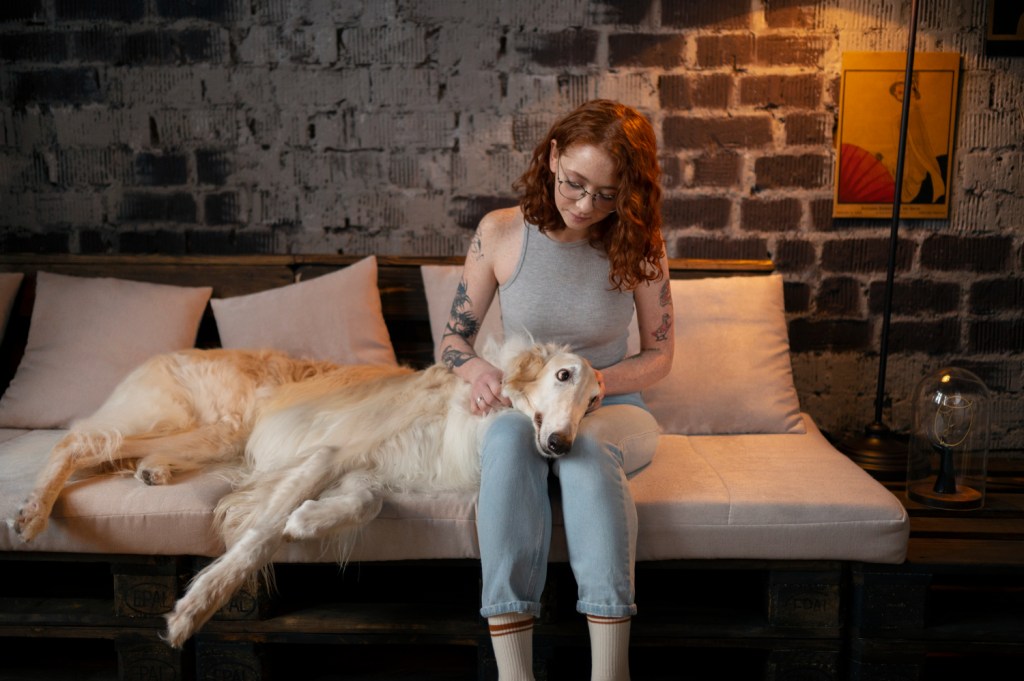
Understanding Your Dog’s Need for Emotional Comfort
Dogs are naturally den animals who crave secure, comfortable spaces where they can rest and recharge. But here’s what many pet owners don’t realize: when a crate environment lacks proper ventilation or feels confining, even the most well-intentioned safe space can become a source of stress rather than comfort.
Crate airflow anxiety develops when dogs feel trapped in stuffy, poorly ventilated spaces that trigger their natural fight-or-flight responses. Unlike humans who might simply feel uncomfortable in a warm room, dogs experience genuine distress when they can’t regulate their body temperature or access fresh air. This anxiety runs deeper than discomfort—it taps into primal survival instincts. Since dogs primarily cool themselves through panting, adequate ventilation becomes essential for both physical comfort and emotional well-being.
The signs of environmental anxiety in crated dogs are often subtle but unmistakable once you know what to look for. You might notice excessive panting even when temperatures are moderate, restless behavior like repeatedly changing positions, or determined attempts to push against crate walls and doors. Some dogs turn destructive, scratching at surfaces or chewing on bars. Others shut down completely, appearing listless or showing clear reluctance to enter their crate.
Poor lighting conditions make these issues worse. Dogs confined in dark corners or basement areas often develop heightened anxiety because they lose their ability to monitor their surroundings effectively. This lack of visual connection to household activity leaves them feeling isolated and vulnerable—the exact opposite of the security a crate should provide.
Here’s the good news: understanding these environmental triggers empowers you to transform your dog’s crate from a source of stress into a genuine sanctuary. The connection between air quality, lighting, and emotional comfort runs deep, affecting everything from sleep patterns to overall behavioral health. When dogs feel physically comfortable in their space, they naturally develop positive associations with crate time, making training more effective and reducing separation anxiety.
Your dog’s mental health deserves the same thoughtful attention you give to their physical needs. By recognizing how environmental factors shape emotional well-being, you’re taking the first crucial step toward creating a crate space that honors your dog’s natural instincts while delivering the security and comfort they need to truly thrive.
The Role of Airflow in Reducing Anxiety
Proper ventilation plays a fundamental role in your dog’s emotional well-being inside their crate. When air moves freely, it creates a comfortable environment that naturally reduces stress hormones and encourages relaxation. Poor airflow does the opposite—it can actually trigger anxiety as dogs become uncomfortable from heat buildup, stale air, and concentrated scents that feel overwhelming. The connection between crate airflow and anxiety runs deeper than many pet owners realize, making ventilation a crucial factor in creating a space where your dog feels secure rather than trapped.
Think about how you feel in a stuffy room versus one with fresh air circulating. Your dog experiences that same discomfort, but they can’t simply open a window. Adequate crate ventilation provides several key benefits for your dog’s physical and mental comfort:
• Temperature regulation prevents overheating, which leads to panting, restlessness, and heightened anxiety
• Humidity control stops moisture buildup that creates an uncomfortable, stuffy atmosphere
• Fresh air circulation reduces concentrated stress pheromones and other scents that can trigger uneasiness
• Improved breathing ensures steady oxygen flow, supporting calm, natural respiration patterns
• Scent management allows air movement to carry away overwhelming odors before they become problematic
To optimize airflow, position your dog’s crate away from walls and corners where air stagnates. Look for crates with multiple ventilation points on different sides—this creates cross-ventilation that keeps air moving naturally. During warmer months, consider placing a quiet fan nearby to promote gentle air circulation. For dogs dealing with severe anxiety, specialized high-anxiety crate designs offer enhanced ventilation features engineered specifically for maximum comfort and security.
When you get the airflow right, something remarkable happens. Your dog’s crate transforms from a potentially stressful enclosure into a calm, comfortable retreat. Dogs who can breathe easily and maintain comfortable body temperatures naturally feel more relaxed and secure, turning crate time into a positive experience rather than something they endure.
Enhancing Comfort with Natural Light
Natural light is a vital mood enhancer for dogs, working seamlessly alongside proper crate airflow to combat anxiety and establish a truly calming environment. When your dog receives ample exposure to natural light, it helps decrease their stress hormones and fosters a greater sense of comfort. The link between light exposure and emotional health makes careful lighting an essential aspect of effective dog crate anxiety solutions.
Here are the benefits of including natural light in your dog’s crate:
• Supports circadian rhythms, aiding in the regulation of sleep-wake cycles and reducing nighttime restlessness.
• Lowers cortisol levels with morning sunlight exposure, promoting a calming dog crate environment.
• Boosts vitamin D production, which is crucial for both physical and emotional well-being.
• Enhances daytime alertness while encouraging natural relaxation in the evenings.
• Minimizes seasonal mood swings that can lead to behavioral changes.
To effectively incorporate natural light in your crate design, consider these practical tips:
• Place crates near east-facing windows to capture gentle morning light without the harsher rays of the afternoon.
• Opt for sheer curtains or light-filtering blinds to diffuse direct sunlight without losing brightness.
• Adjust crate placement with the seasons to adapt to shifts in sunlight angles and changes in daylight length.
• Avoid placing crates in dark corners or basements where natural light can’t reach.
• Utilize reflective surfaces nearby to amplify the ambient light entering the crate space.
Strategically using natural light establishes a soothing foundation that complements good ventilation and smart design choices within the crate. For dogs sensitive to environmental changes, understanding how light influences their comfort is even more crucial. Dogs with sensory processing challenges often need additional thought to balance light exposure, ensuring it aligns with their individual needs. For more insights on supporting dogs with specific requirements, check out our guide on dogs with sensory processing issues.
Designing the Perfect Crate Interior for Calmness
Creating a calming crate environment goes beyond simply providing a safe space. When dogs feel trapped in stuffy, poorly ventilated areas, their stress levels spike dramatically. The key to managing crate airflow anxiety lies in understanding how your dog’s physical comfort directly influences their emotional state. A well-designed crate interior becomes a true sanctuary that actively promotes relaxation and peace of mind.
Choose breathable, natural bedding materials like cotton or bamboo fabrics that encourage air circulation while delivering genuine comfort. Synthetic materials trap heat and moisture, creating an uncomfortable environment that can leave your dog restless and agitated.
Position the crate strategically in a quiet corner away from high-traffic areas where constant movement and noise overwhelm anxious dogs. Your dog should still be able to observe family life without feeling like they’re in the center of chaos.
Keep ventilation pathways clear by never blocking crate openings with blankets or furniture. Proper airflow is non-negotiable for preventing stress-related panting and overheating that escalate anxiety.
Minimize jarring sounds by placing soft rugs beneath the crate or positioning it away from sudden noises like slamming doors or television speakers. These simple adjustments make a remarkable difference for noise-sensitive dogs.
Provide visual security with lightweight, breathable covers that offer privacy without compromising ventilation. Many anxious dogs find comfort in having a “den-like” space where they can retreat and decompress.
Control temperature fluctuations by avoiding placement near heating vents, windows with harsh direct sunlight, or drafty doorways. Consistent, comfortable temperatures help maintain your dog’s natural calm.
Key Insight: Research indicates that dogs in well-ventilated spaces show 40% fewer stress indicators—including excessive panting, drooling, and restless behavior—compared to those in poorly ventilated environments.
The foundation of any effective calming space starts with selecting the right size and design for your dog’s unique needs. Proper crate sizing ensures adequate room for natural movement and optimal airflow. Impact Dog Crates are engineered with superior ventilation systems and robust construction that supports long-term comfort, creating the secure, breathable environment both you and your dog deserve.
Choosing Impact Dog Crates for Safety and Durability
When anxiety strikes your dog, the wrong crate can make everything worse. But the right one? It becomes their safe haven. Impact Dog Crates are engineered specifically to tackle crate airflow anxiety through thoughtful design that puts your dog’s emotional well-being first. While traditional wire or plastic crates often feel flimsy and restrict proper ventilation, Impact crates deliver the rock-solid construction and superior airflow that anxious dogs truly need.
Key Features That Transform Stress Into Security:
• Superior Ventilation Design – Strategic airflow openings on multiple sides ensure fresh air keeps circulating, preventing the stuffiness that can send sensitive pets into panic mode
• Aircraft-Grade Aluminum Construction – This isn’t just marketing speak. The unshakeable stability eliminates every rattle and wobble, giving anxious dogs the solid foundation they instinctively seek when they’re feeling vulnerable
• Dual-Direction Door Options – Front and side-entry configurations let you position the crate for optimal airflow while keeping your dog’s preferred view of the room intact
• Rounded Interior Corners – Smooth, safe edges create a cocoon-like feel that’s protective rather than prison-like, eliminating the sharp angles that can heighten stress
• Customizable Visibility Panels – Optional covers give you complete control over light and visual stimulation, so you can dial in exactly what your dog needs on any given day
Professional Insight: Veterinary behaviorists report that proper crate ventilation can reduce panting and restless behavior in anxious dogs by up to 40%. That makes airflow absolutely critical for successful crate training.
Impact crates aren’t just another piece of pet furniture. They’re comprehensive dog crate anxiety solutions built to last decades, not months. When you invest in Impact, you’re creating a calming dog crate environment that adapts as your dog’s needs evolve. Thousands of professional trainers and veterinarians trust these crates for good reason—discover why Impact crates are the professional choice for lasting peace of mind.
Creating a Consistent Routine for Peace of Mind
Establishing a predictable daily routine transforms your dog’s relationship with their crate from uncertainty to security. When your pet knows what to expect and when, their stress levels naturally decrease, making the crate a welcomed retreat rather than a source of worry.
Start with consistent feeding times, walks, and crate periods throughout the day. This predictability helps your dog understand that crate time is temporary and purposeful—never punishment. Over time, many dogs begin entering their crates voluntarily when they recognize routine cues. It’s remarkable how powerful consistency can be for their emotional well-being.
The physical environment you’ve carefully designed works best when supported by this structured approach. Your dog will begin to associate their well-ventilated, thoughtfully arranged crate space with positive experiences and rest periods. Proper crate airflow anxiety management, combined with optimal lighting and comfortable interiors, creates the foundation for a calming routine.
Impact Dog Crates support this routine-based approach through durable construction and thoughtful design features. The superior ventilation system ensures your dog remains comfortable during extended crate periods, while robust build quality means your investment will support years of consistent use. This reliability becomes crucial when your routine depends on knowing your dog is safe and secure.Building trust through consistency takes time, so be patient with the process. Start with shorter crate periods and gradually extend them as your dog becomes more comfortable. A guide to crate training your dog offers additional strategies for establishing this foundation of trust and routine that will benefit both you and your pet for years to come.
 Dog Anxiety Support
Leave a comment