
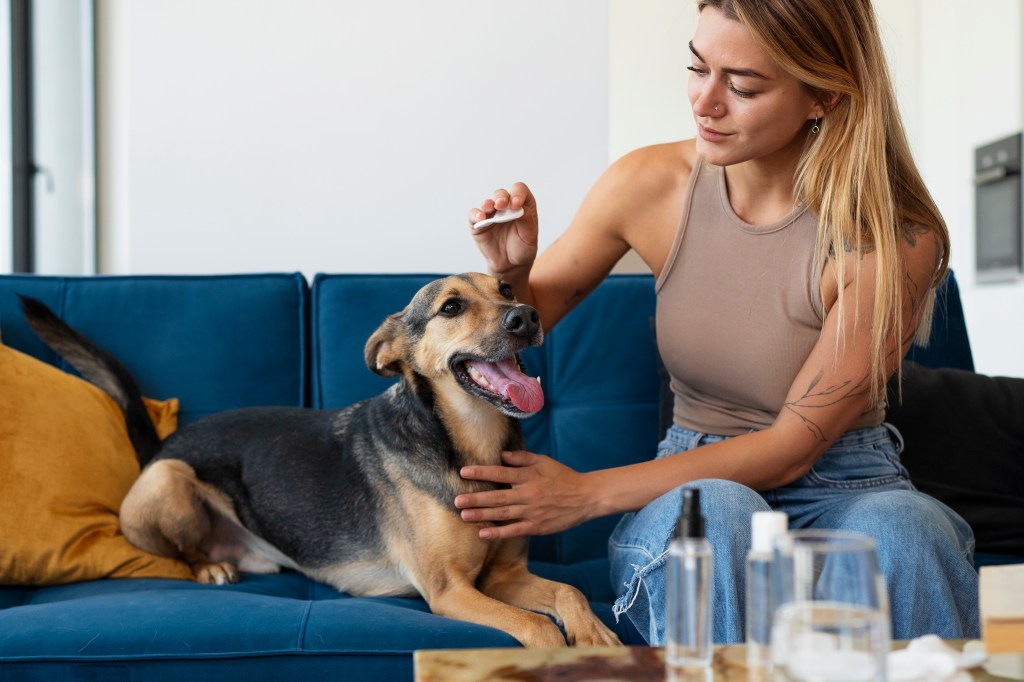
Understanding Essential Oils and Their Impact on Dogs
Essential oils are concentrated plant extracts packed with volatile aromatic compounds that give us those familiar scents of lavender, eucalyptus, and countless other botanicals. While these natural substances can offer wonderful benefits for humans, our dogs experience them in a completely different way thanks to their incredible sense of smell and unique biology.
Your dog has up to 300 million scent receptors working overtime, compared to your modest 6 million. That means what smells pleasantly subtle to you might feel like a sensory overload to your furry friend. This extraordinary sensitivity becomes especially important when we talk about essential oils crate safety, since a crate’s enclosed space naturally concentrates these potent scents.
Here’s where many well-meaning pet parents get tripped up: assuming that “natural” automatically means “safe for dogs.” Unfortunately, that’s not always the case. Dogs are missing certain liver enzymes that we humans rely on to break down specific compounds found in essential oils. This means some oils that are perfectly harmless to us can trigger respiratory irritation, skin reactions, or even more serious health issues in our pets.
Crates present a unique challenge because they create what’s essentially a concentrated aromatic bubble that your dog can’t simply walk away from. Unlike a living room where scents naturally disperse, that cozy crate space intensifies whatever aromas you introduce.
But here’s the encouraging news: when approached thoughtfully and with proper knowledge, certain essential oils can actually enhance your dog’s crate experience, promoting calm and comfort. Success comes down to knowing which oils work safely, understanding proper application methods, and paying close attention to how your individual dog responds. Some dogs thrive with gentle, properly diluted scents, while others may feel stressed or even develop health complications from any aromatic exposure.
Vet-Approved Advice on Using Essential Oils Near Dogs
Veterinary professionals are clear on this point: never introduce essential oils into your dog’s environment without first consulting your vet. This guidance becomes absolutely crucial when it comes to essential oils crate safety, where the confined space can intensify scents and potentially overwhelm your dog’s sensitive respiratory system. Each dog reacts differently to aromatherapy—what brings calm to one pup might cause distress or health complications in another.
Veterinarian-Approved Safe Essential Oils for Dogs:
• Lavender – Dilute to 0.25% concentration and position diffuser at least 6 feet from the crate
• Chamomile – Roman chamomile only, diluted to 0.1% with excellent ventilation
• Frankincense – Safe at 0.25% dilution for short sessions, never run continuously
• Cedarwood – Virginia cedarwood specifically, diluted to 0.2% for brief periods
• Ginger – Use sparingly, heavily diluted to 0.1% concentration
Essential Oils Veterinarians Strongly Advise Against:
• Tea Tree Oil – Highly toxic in any amount, causing neurological symptoms and liver damage
• Eucalyptus – Respiratory irritant leading to breathing difficulties and digestive upset
• Peppermint – Overstimulates dogs and triggers gastrointestinal distress
• Citrus Oils – Contain compounds toxic to dogs, causing skin sensitization
• Cinnamon – Causes mouth irritation, breathing problems, and liver complications
The same vigilance you’d use with potentially harmful household items applies to essential oil safety—thorough research and careful consideration protect your dog’s wellbeing.
Critical Safety Protocol: Follow the veterinary-recommended “15-minute rule.” Run diffusers for maximum 15-minute intervals, ensure your dog can leave the area freely, and maintain excellent ventilation throughout your home. Never apply oils directly to your dog or their crate. Stop immediately if you notice behavioral changes, labored breathing, or appetite loss—these signal potential adverse reactions requiring immediate veterinary attention.
Essential Oils in Crates: Creating a Safe Haven
Many dog owners turn to essential oils hoping to create a calming sanctuary in their pet’s crate—especially during stressful times like travel or separation. It’s a thoughtful approach to helping anxious dogs find peace in their safe space. However, essential oils crate safety isn’t as straightforward as lighting a candle for yourself. Your dog’s sensitive respiratory system and heightened sense of smell require a much more cautious approach.
The key lies in understanding that what feels soothing to us can quickly become overwhelming or even harmful to our four-legged companions. Dogs experience scents at an intensity we can barely imagine, making proper dilution and placement absolutely critical.
When introducing essential oils into your dog’s crate environment, these safety guidelines are non-negotiable:
• Dilute extensively – Use concentrations far weaker than human applications, as your dog’s nose is thousands of times more sensitive than yours
• Prioritize ventilation – Never use oils in completely enclosed spaces; proper airflow prevents sensory overload and ensures fresh air circulation
• Keep sources at a safe distance – Position diffusers well outside the crate where curious paws can’t reach them or knock them over
• Watch for warning signs – Excessive panting, drooling, restlessness, or withdrawal can signal your dog is uncomfortable
• Start slowly – Brief, minimal exposure sessions help you gauge your dog’s tolerance safely
Dogs with sensory processing issues need extra consideration when it comes to aromatic environments. Impact Dog Crates’ ventilation systems and spacious designs create the ideal foundation for safe aromatherapy practices, ensuring your dog has both the airflow they need and the secure environment that supports their unique sensitivities.
Gentler essential oil options include:
• Lavender (heavily diluted) for mild calming effects
• Chamomile for gentle relaxation
• Frankincense for stress reduction
Always consult your veterinarian before introducing essential oils to your dog’s space.
Choosing the Right Essential Oils for Crate Use
Selecting the right essential oils for your dog’s crate is about finding that sweet spot between safety and effectiveness. The confined space of a crate intensifies both the therapeutic benefits and potential risks, making your choice of oils absolutely critical.
Safe Essential Oil Options for Crates:
• Lavender – The gold standard for canine relaxation. Its gentle calming properties help reduce anxiety and promote restful sleep, making it perfect for dogs struggling with crate training or separation anxiety.
• Roman Chamomile – This mild, honey-scented oil offers natural relaxation without overwhelming your dog’s sensitive nose. It’s particularly effective for creating a peaceful crate environment.
• Frankincense – Prized for its grounding effects, frankincense helps nervous dogs feel more secure while supporting emotional balance. Think of it as aromatherapy confidence in a bottle.
• Cedarwood – With its warm, woodsy scent, cedarwood naturally promotes tranquility and can help your dog develop positive associations with crate time.
• Sweet Orange – When properly diluted, this gentle citrus provides mild mood-lifting benefits for dogs experiencing crate-related stress.
Essential Oils to Completely Avoid:
• Tea Tree – Highly toxic to dogs and can cause serious neurological issues, even in trace amounts.
• Eucalyptus – Can trigger breathing difficulties and digestive upset, especially dangerous in enclosed spaces like crates.
• Peppermint – Far too intense for canine respiratory systems and may cause skin irritation or digestive problems.
Remember, quality sourcing and proper dilution aren’t optional—they’re essential for safe practice. Always consult your veterinarian first, start with minimal amounts, and watch your dog’s response closely to ensure their comfort and well-being.
Long-term Benefits and Considerations for Essential Oil Use
When used responsibly over time, essential oils can become a valuable tool in your dog’s wellness routine, contributing to reduced anxiety, improved sleep quality, and enhanced overall comfort within their crate environment. The key to long-term success lies in maintaining consistent, moderate use while continuously monitoring your pet’s response and adjusting accordingly.
Regular veterinary check-ins become increasingly important as you establish an essential oil routine, ensuring that prolonged exposure remains beneficial rather than overwhelming. Dogs who experience positive responses to essential oils crate safety practices often show improved crate acceptance, reduced separation anxiety, and better sleep patterns over months of careful implementation.
Consider the cumulative benefits: a dog who associates their crate with calming, pleasant scents may develop stronger positive associations with their safe space, supporting successful crate training outcomes long-term. However, remember that less is always more with essential oils and pets. Rotating different safe oils prevents desensitization while maintaining effectiveness.
Building this foundation of trust and comfort requires patience and attention to detail, but the reward is a more confident, relaxed companion who views their crate as a true sanctuary. Your commitment to safe practices today creates lasting peace of mind for both you and your beloved pet.
 Dog Anxiety Support
Leave a comment