
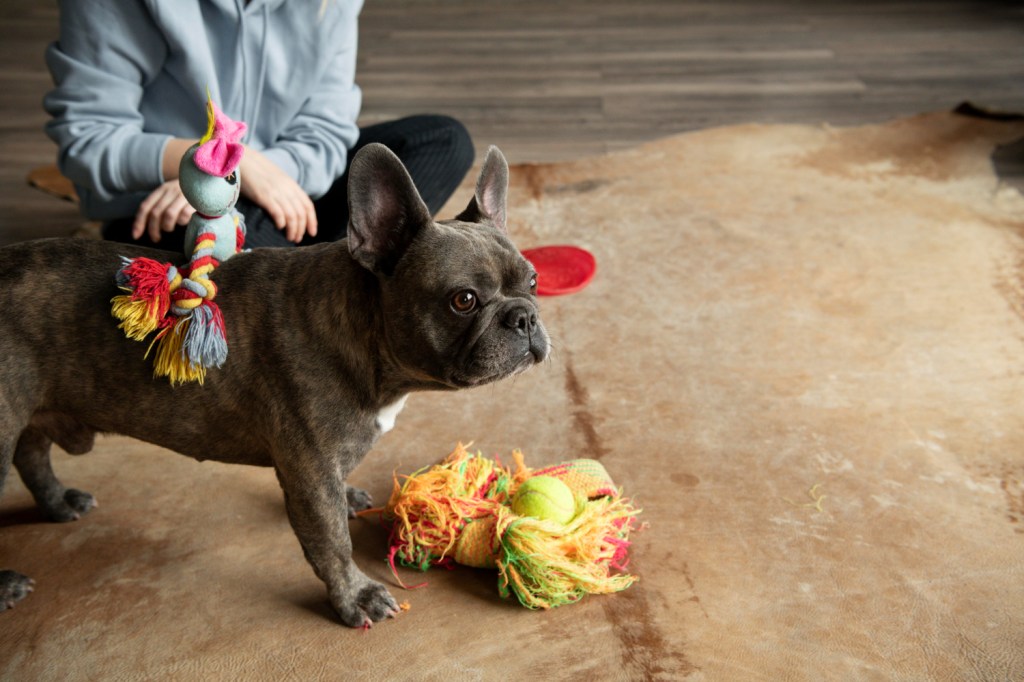
Understanding Crate Anxiety: What Your Dog Needs
Crate anxiety shows up differently in every dog. You might notice excessive panting, persistent whining, frantic scratching at the door, or even determined escape attempts that can lead to injury. These behaviors aren’t defiance—they’re your dog’s way of communicating that something fundamental is missing from their crate experience.
At its core, crate anxiety stems from unmet needs. Dogs require mental stimulation, physical comfort, and emotional security to thrive. When they feel trapped without proper outlets for their energy and natural instincts, stress accumulates rapidly. Think of it like being stuck in a waiting room with nothing to do—the anxiety builds because your mind has nowhere productive to go.
Every dog’s triggers are unique, which is why a one-size-fits-all approach rarely works. Some dogs struggle primarily with separation from their family, while others simply need more mental engagement during crate time. Puppies often feel overwhelmed by new environments, and rescue dogs may carry baggage from previous negative experiences. The goal isn’t just to contain your dog—it’s to create a space they genuinely want to be in.
This is where crate enrichment toys become game-changers. Dogs are naturally curious, intelligent animals who need regular cognitive challenges to maintain their emotional equilibrium. Without these outlets, even the calmest dogs can develop problematic behaviors that seem to come out of nowhere.
The right enrichment strategy transforms your dog’s entire relationship with their crate. Instead of viewing it as confinement, they begin to see it as their personal space filled with interesting activities. Effective dog crate toys address immediate anxiety while building long-term positive associations that make crate training smoother for everyone involved.
Success requires understanding your individual dog’s personality and triggers. Some respond beautifully to puzzle feeders that engage their problem-solving instincts, while others need comfort items that provide emotional grounding. Learning about your dog’s specific anxiety journey helps you choose enrichment solutions that create lasting positive change.
The Science Behind Enrichment Toys: How They Help
When dogs engage with crate enrichment toys, their brains release endorphins and dopamine, those feel-good chemicals that encourage relaxation and satisfaction. This brain activity counters stress hormones like cortisol and adrenaline, which are often behind crate anxiety. By stimulating mental processes through problem-solving tasks, dogs can refocus their anxious energy, fostering a sense of calm that makes crate time rewarding instead of restricting.
Well-chosen crate enrichment toys offer psychological benefits such as:
• Redirecting nervous energy into engaging problem-solving activities that tire both the mind and body
• Satisfying natural foraging instincts to meet deep behavioral needs, creating a sense of accomplishment
• Building positive crate associations by making it a place where exciting things happen
• Encouraging self-soothing behaviors with repetitive chewing and licking that naturally calm anxious dogs
• Establishing routine and predictability which reassure anxious dogs, making them feel secure and in control
These toys are designed to target common anxiety symptoms that make crate time a struggle. Dogs that bark excessively often quiet down when they are busy with puzzle feeders or safe chews. Similarly, destructive scratching and pawing tend to decrease as mental energy is directed towards engaging tasks. Restlessness and pacing are often replaced with focused concentration as dogs tackle food puzzles or interactive toys.
For dogs with heightened sensory sensitivities or processing issues, specialized crate setups paired with thoughtful enrichment strategies can be particularly beneficial. Combining a sturdy and intelligently designed crate with tailored anxiety relief toys for dogs creates an environment where nervous system regulation is achievable. This approach transforms crate training from a stressful experience into a pathway to building long-term confidence and tranquility.
Top Enrichment Toys: Puzzle Feeders and Safe Chews
Puzzle feeders and safe chews are the heart of effective crate enrichment toys, turning quiet crate time into exciting mental exercises that naturally ease anxiety and restlessness. By channeling nervous energy into productive problem-solving, these thoughtfully designed toys help dogs develop positive associations with their crate, building confidence through rewarding challenges.
Top Puzzle Feeders for Crate Time:
- Treat-dispensing balls bounce unpredictably as your dog nudges them, releasing small rewards that turn anxious thoughts into focused fun rather than confinement worries.
- Snuffle mats engage a dog’s keen sense of smell by hiding treats within soft fabric, encouraging calm foraging behavior while they relax comfortably in their crate.
- Interactive food puzzles with sliding panels and hidden compartments transform routine meals into engaging brain games, keeping your dog occupied for 20 to 30 minutes at a time.
- Frozen Kong toys packed with dog-safe treats offer long-lasting entertainment, calming anxious dogs through soothing repetitive licking and chewing motions.
- Puzzle treat boards offer varied difficulty levels, allowing you to tailor challenges to your dog’s skills and attention span.
Safe Chew Options for Anxious Dogs:
- Rope toys with knotted ends provide enticing texture changes while being gentle on teeth and gums during extended chew sessions.
- Durable rubber chew toys designed for heavy chewers offer a sturdy stress outlet, ensuring safe play without the risk of breaking into harmful pieces.
- Specialized crate-specific chew toys, such as our Impact Crate Chew Toy, attach securely to crate walls, delivering safe and reliable stress relief.
- Natural antler pieces provide lasting, mineral-rich chew sessions that help anxious dogs expend excess energy constructively.
To keep crate enrichment toys exciting, consider rotating them weekly. This variety prevents boredom and encourages your dog to approach crate time with anticipation rather than dread, supporting successful crate training and fostering the mental resilience anxious dogs need to thrive.
Integrating Toys Into Your Dog’s Crate Routine
Successfully introducing crate enrichment toys requires patience and a deep understanding of your dog’s unique personality. Think of it as building a bridge between anxiety and comfort—one positive experience at a time. Rushing this process can backfire, so taking a gradual approach respects your dog’s emotional needs while creating lasting positive associations with their crate space.
Steps for Introducing Enrichment Toys:
- Start with familiar comfort items – Begin by placing a favorite blanket or toy that carries your scent inside the crate. This creates a foundation of security before introducing anything new.
- Choose one toy at a time – Select a single, appealing item like a puzzle feeder filled with high-value treats. Let your dog explore and enjoy this toy outside the crate first, building positive anticipation.
- Practice short, positive sessions – Place the toy in the crate for 10-15 minutes while you remain nearby and relaxed. Your calm presence reassures them that crate time is safe and enjoyable.
- Establish a thoughtful rotation – Swap toys every 2-3 days to keep things fresh and engaging. A rotation of 3-4 different options prevents boredom while allowing you to reintroduce favorites later.
- Watch and adapt to your dog’s preferences – Pay attention to what truly captivates them. Some dogs find comfort in soft chew toys, while others light up for food-dispensing puzzles that challenge their minds.
Pro Tip: Transfer your scent to new toys by rubbing them with a worn shirt or pillowcase. This simple step creates instant familiarity and helps anxious dogs accept new items more readily.
Remember that successful toy integration works hand-in-hand with solid crate training fundamentals. When you combine proper technique with the right anxiety relief toys for dogs, you’re not just managing stress—you’re actively transforming your dog’s relationship with their crate into something positive and restorative.
How Impact Dog Crates Enhance Safety and Comfort
When you’re working to ease your dog’s crate anxiety with enrichment toys, the crate itself plays a crucial role in your success. Impact Dog Crates are built specifically with anxious dogs in mind, featuring advanced safety elements and thoughtful design that create the perfect foundation for crate enrichment toys to work their magic.
Here’s what makes our crates ideal partners for your dog’s enrichment journey:
• Generous interior space gives your dog room to interact with puzzle feeders and toys naturally, without that cramped feeling that can heighten anxiety
• Premium ventilation system keeps air flowing freely during play sessions, so your pup stays comfortable even during engaged mental stimulation
• Aircraft-grade aluminum frame stands up to enthusiastic chewing and active play, maintaining its strength no matter how determined your dog gets
• Dual-latch security system keeps everything safely contained while preventing any surprise escapes during toy time
• Smooth, rounded edges eliminate sharp corners that could cause injury when your dog gets excited about their enrichment activities
This thoughtful engineering creates a space where dog crate toys and anxiety relief strategies can truly shine. The roomy design lets you offer multiple enrichment options at once, while the rock-solid construction keeps everything exactly where it should be. That superior airflow becomes especially important when your dog’s brain is working hard on a challenging puzzle feeder.
Think of Impact Dog Crates as more than just secure spaces—they’re carefully crafted sanctuaries designed to support your dog’s emotional wellness through safe, comfortable enrichment. When our premium construction meets the right anxiety relief toys for dogs, you get an environment where nervous pups can genuinely relax and thrive.
The difference lies in the details. Discover why choosing an Impact Dog Crate transforms your approach to crate training enrichment and gives both you and your dog the peace of mind you deserve.
Maintaining Engagement: Keeping Your Dog Interested
Keeping your dog genuinely interested in their crate enrichment toys isn’t about buying more stuff—it’s about being strategic with what you already have. Just like us, dogs get bored with the same old routine, so rotating toys becomes your secret weapon for long-term success.
Here’s what works: keep only two or three toys available at any given time, then tuck the rest away where your dog can’t see them. Every few days, swap out one familiar toy for something that’s been “on vacation.” You’ll be amazed at how excited your pup gets over a rope toy they ignored last week.
Watch how your dog plays throughout the week—their behavior tells you everything you need to know. Maybe they attack that puzzle feeder like it owes them money on Monday, but by Friday they’re working through it more thoughtfully. That’s their brain developing problem-solving skills right before your eyes. These observations become your roadmap for which crate enrichment toys actually help ease their anxiety.
Don’t be afraid to level up the challenges as your dog gets smarter. Start with simple treat-dispensing balls, then graduate to those tricky multi-step puzzles that really make them think. Each small victory builds their confidence and transforms crate time from something they endure to something they genuinely enjoy.Get creative with themed days or seasonal switches to keep things fresh. DIY puzzle options can stretch your budget while adding variety to the mix. Remember, enrichment isn’t a one-and-done deal—it’s an ongoing conversation between you and your dog about what makes their safe space truly engaging.
 Dog Anxiety Support
Leave a comment