
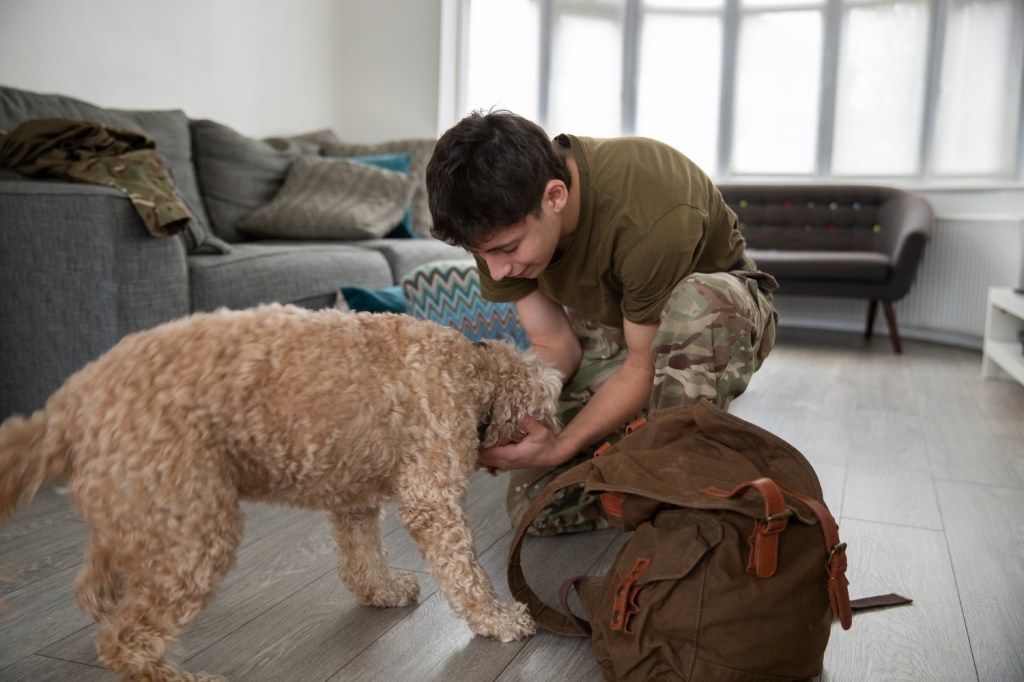
Understanding PTSD in Dogs
Dogs can develop post-traumatic stress disorder just like humans, though it shows up differently in our four-legged family members. Canine PTSD typically stems from traumatic experiences like abuse, abandonment, natural disasters, accidents, or military service. Unlike temporary stress that fades with time, PTSD creates lasting behavioral changes that demand patient, understanding intervention.
The signs vary widely but often include excessive fearfulness, constant vigilance, destructive behavior, aggression, withdrawal, or panic attacks triggered by specific sounds, places, or situations. Some dogs shake uncontrollably, hide for hours, or become destructive when left alone. Others might suddenly snap at people or other animals, even when they were previously gentle and well-socialized.
For dog owners, watching these symptoms unfold feels overwhelming and heartbreaking. The unpredictability of triggers turns daily life into a careful balancing act between protection and gradual exposure. Many owners carry guilt, constantly questioning whether they’re doing enough to help their companion heal.
This is where thoughtful PTSD crate training for dogs becomes a powerful tool in recovery. When you approach it with trauma-informed principles, a crate transforms from simple containment into a therapeutic sanctuary. The difference lies in building positive associations rather than forcing confinement—helping your dog see their crate as a protected retreat where they control their environment.
Your dog’s specific trauma history should shape your approach. A rescue who experienced confinement abuse needs different techniques than a retired military working dog adjusting to civilian life. Each healing journey follows its own timeline, requiring patience and consistency from their human family.
The goal isn’t eliminating all anxiety overnight but giving your dog reliable comfort and security. Through gentle dog PTSD solutions that honor their emotional state, crate training becomes part of rebuilding trust and confidence. Your traumatized dog needs to know they’re safe, protected, and never alone in their recovery.
Professional guidance often proves invaluable, but understanding PTSD’s impact creates the foundation for meaningful healing and long-term well-being.
Trauma-Informed Crating: Key Principles
Switching to trauma-informed crating marks a transformative approach in PTSD crate training for dogs. It’s about stepping away from forceful methods and embracing gentle, understanding techniques that place your dog’s emotional well-being at the forefront. This approach acknowledges that dogs with PTSD need special care that respects their past while building positive new relationships with their crate.
Here are the core principles of this compassionate method:
• Prioritize safety: Ensure every interaction is rooted in safeguarding your dog’s physical and emotional well-being. This means avoiding the use of the crate as punishment and allowing them to explore it on their own terms, without pressure or haste.
• Empower with choice: Dogs with PTSD often struggle with feelings of helplessness, so giving them choices—like keeping the crate door open or allowing them to enter and exit at will—helps restore their sense of control and builds confidence.
• Foster trust gradually: Trust is not built overnight. It develops through regular, predictable interactions that honor your dog’s boundaries and celebrate small achievements. Progress might be slow, but each step forward is significant.
• Identify and avoid triggers: Pay attention to your dog’s body language and stress signals, such as panting or pacing. If you notice these signs, adjust your approach to alleviate their anxiety instead of persisting with a potentially stressful situation.
• Establish calming routines: Routines provide a sense of security for anxious dogs. Developing consistent crating schedules and gentle pre-crate rituals helps them anticipate what comes next, offering comfort in predictability.
These principles turn dog anxiety crate training from a daunting task into a supportive journey. Through calming techniques, you’ll see more meaningful outcomes than by adhering to rushed deadlines. The right equipment plays a significant role too. Specialized crates designed for dogs with unique needs can significantly improve your dog’s comfort and progress, providing a secure space where they can truly relax.
By embracing these trauma-informed principles, you’re setting a foundation for successful crate training that acknowledges your dog’s history while paving the way for a brighter future. This thoughtful method forms a vital part of overall dog PTSD solutions, supporting your furry friend’s healing journey towards a peaceful and safe space.
Step-by-Step Guide to Gentle Crating
Successful PTSD crate training dogs requires patience, consistency, and a systematic approach that puts your dog’s emotional well-being first. Dogs with trauma histories need extra time and gentler techniques to build positive associations with their safe space. The secret is moving at your dog’s pace while creating an environment built on trust and security.
Step 1: Create the Perfect Setup (Day 1-3)
Position the crate in a quiet corner where your dog can still observe family life without feeling overwhelmed. Remove the door completely at first—this eliminates any sense of being trapped. Add soft bedding, familiar toys, and something that smells like you. Pay attention to ventilation and temperature, since anxious dogs are particularly sensitive to their surroundings.
Step 2: Build Positive Associations (Days 3-7)
Start feeding meals near the crate, gradually moving the bowl closer each day. Toss high-value treats inside while your dog watches, letting them come and go as they please. Use calm, encouraging words during these moments. Look for relaxed body language: soft eyes, loose posture, and a natural tail position that tells you they’re comfortable.
Step 3: Encourage Voluntary Exploration (Week 2)
Once your dog willingly goes in for treats, begin feeding meals just inside the entrance. Move the bowl deeper inside as their confidence grows, but never rush the process. Keep that door off during this entire phase. These dog anxiety crate training techniques help your dog see the crate as a source of wonderful things, not a prison.
Step 4: Introduce Brief Supervised Stays (Week 3)
When your dog eats comfortably inside, try closing the door for just a few seconds while they’re focused on their meal. Open it immediately when they finish. Extend this time in tiny 30-second increments, always staying close by. If you see panting, pacing, or whining, dial back the duration and slow your pace.
Step 5: Practice Short Departures (Week 4-5)
Begin stepping out of the room for one or two minutes while your dog rests in their crate. Return before any anxiety signs surface. These calming crate training techniques depend on reading your dog’s stress signals accurately. Every successful session should end with your dog still calm and settled.
Step 6: Extend Duration Gradually (Weeks 6-8)
Increase crate time by just 5-10 minutes, and only after your dog shows consistent comfort at shorter durations. Provide puzzle toys or long-lasting chews during extended sessions. Stick to predictable routines around crating times—dogs with PTSD find comfort in knowing what comes next.
Step 7: Establish Independence (Weeks 9-12)
Start leaving the house for brief periods, beginning with 15-30 minutes. Watch how your dog responds before gradually increasing your time away. For additional foundational techniques, our complete crate training guide offers strategies that work beautifully alongside trauma-informed approaches.
Step 8: Maintain Consistency (Ongoing)
Keep crating schedules predictable and never, ever use the crate as punishment. Continue positive reinforcement even after training success—this maintains your dog’s comfort and confidence long-term.
These gentle techniques work best when paired with properly sized, well-ventilated crates designed specifically for anxious dogs’ unique needs. Quality construction ensures your dog’s safety while providing the durability necessary for creating a lasting personal sanctuary they can truly call their own.
Success Stories: Real Dogs, Real Results
Gentle crating approaches have transformed countless lives, showing that dogs with PTSD can find peace and security through thoughtful, trauma-informed methods. These heartwarming success stories highlight the remarkable effectiveness of these techniques when applied with patience and care.
Meet Max, a rescue German Shepherd who carried severe anxiety from his past life as a fighting dog. Initially, enclosed spaces triggered his extreme fear. His owner used a gentle strategy, leaving the crate door open, with soft blankets and treats to create a safe and welcoming environment. Over six weeks, Max naturally gravitated towards his Impact crate, finding solace during thunderstorms and fireworks. Today, Max sleeps peacefully inside every night, exemplifying how dog anxiety crate training can soothe even the deepest traumas.
Then there’s Bella, a Border Collie who developed hypervigilance after witnessing a car accident. She struggled to relax anywhere at home. Her family used calming crate training techniques, creating a quiet sanctuary with blackout covers and white noise. By forming brief, positive associations with treats and praise and keeping the door open until Bella felt at ease, she gradually began using her crate as a refuge during stressful times. Her owners proudly shared their story, inspiring other families facing similar challenges.
Luna, a mixed breed suffering from shelter-induced separation anxiety, couldn’t be left alone without acting out destructively. Through consistent routines and gradual crate conditioning, along with comfy items and soothing music, Luna started viewing her crate as protection rather than confinement.
These stories prove that effective PTSD crate training for dogs can cater to various trauma types and personalities. Whether addressing abuse, neglect, or sudden trauma, the right approach paired with quality equipment paves the way for lasting change and renewed trust between dogs and their families.
Long-Term Strategies for Peace of Mind
Successful PTSD crate training for dogs extends far beyond those first few weeks of setup. Your dog’s healing journey thrives on consistency, which means building predictable daily routines that reinforce their growing sense of security. Feed meals at the same times, stick to regular exercise schedules, and develop calming bedtime rituals that whisper “you’re safe” to your anxious companion.
Professional support forms the backbone of lasting success for dogs with trauma histories. Veterinary behaviorists and certified trainers who specialize in trauma recovery offer invaluable guidance tailored to your dog’s unique needs. They help you spot those subtle wins—like a relaxed sigh in the crate or choosing to enter voluntarily—and fine-tune your approach as your companion grows stronger.
Regular check-ins keep your strategy sharp and responsive. Watch your dog’s body language, sleep patterns, and reactions to old triggers. Some dogs eventually spend less time in their crate as confidence blooms, while others find comfort in sticking with what works. Both paths represent genuine healing.
Environmental enrichment works hand-in-hand with your dog anxiety crate training efforts. Puzzle feeders, soft classical music, and rotating comfort items can lift your dog’s overall quality of life. Try incorporating gentle massage or TTouch techniques during quiet moments—these simple acts strengthen your bond while melting away lingering tension.
Building a support network in your community creates extra layers of stability. Connect with other dog owners walking similar paths, lean on trusted veterinary professionals, and keep family members in the loop about your dog’s needs and progress markers.
Understanding your dog’s mental health needs deepens your ability to provide care that addresses both immediate comfort and long-term wellness.Healing unfolds gradually, often in quiet moments of trust and small victories. Your commitment to creating a safe, structured environment through gentle calming crate training techniques gives your dog the foundation they need to rediscover joy and peace. Every patient interaction, every consistent routine, every moment you choose understanding over frustration builds toward their remarkable recovery. Take that first confident step today—you’re providing exactly what your companion needs to not just survive, but truly thrive.
 Dog Anxiety Support
Leave a comment